
Palace of Charles V: Granada's Renaissance Gem
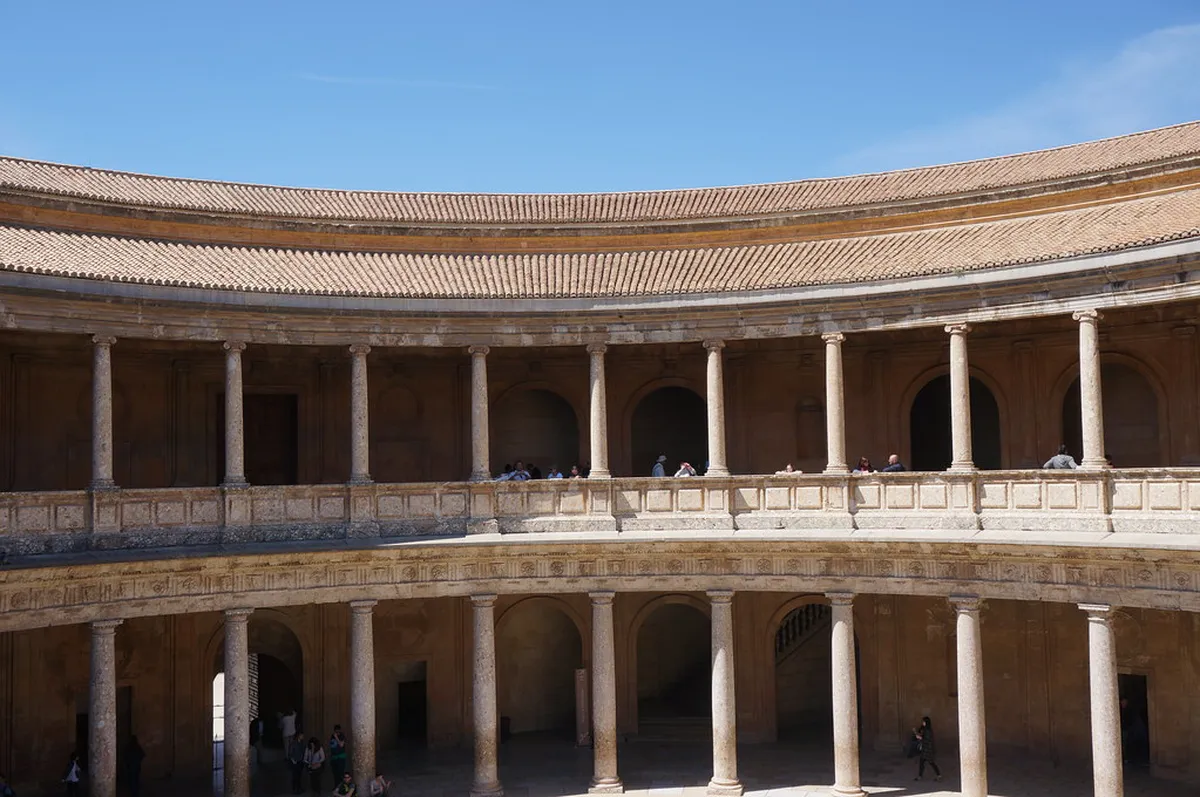
Table of Contents
Exploring the Palace of Charles V in Granada, Spain
The Palace of Charles V stands as a striking landmark. It sits proudly within Granada's historic Alhambra complex. This grand Renaissance edifice offers a captivating contrast. It differs greatly from the surrounding Moorish architecture.
Emperor Charles V commissioned its construction in 1527. This guide explores its unique design and rich history. Discover why this palace is a must-see in Granada. Learn more about Granada's diverse architectural styles on your visit.
History and Vision of Charles V's Palace
Emperor Charles V desired a grand residence. He wanted it near the exquisite Nasrid Palaces. His vision was a symbol of Christian power. It would stand beside the recently conquered Islamic fortress.
Construction began in 1527 under Pedro Machuca. Machuca was a Spanish architect and painter. He studied under Italian Renaissance masters. His design introduced a bold new style to Granada. This marked a significant shift in the city's urban planning.
The palace project faced many delays. It remained unfinished for centuries. Financial issues and political turmoil plagued its progress. However, its ambitious design left an enduring legacy. Explore the broader history of Granada's architecture for more context.
Architectural Marvel: Renaissance Design
The Palace of Charles V showcases high Renaissance ideals. Its square exterior measures 63 meters on each side. The facade features two distinct architectural orders. The lower level has Tuscan columns. The upper level displays Ionic pilasters.
A notable feature is its central circular courtyard. This unique element distinguishes the palace. It provides an unexpected visual treat for visitors. The design is reminiscent of ancient Roman amphitheatres.
This innovative circular courtyard contrasts sharply. It stands out against the palace's square exterior. Learn more about this unique circular courtyard. It represents a daring architectural choice for its time.
The internal arches and columns create grandeur. They reflect classical Roman and Greek influences. Machuca skillfully blended form and function. This created a truly magnificent structure. Consider this palace on your next Granada architectural tour in 2025.
What to See Inside the Palace
While unfinished, the palace houses important institutions. The ground floor hosts the Museo de la Alhambra. This museum displays artifacts from the Alhambra itself. You can see ancient ceramics, carvings, and historical documents here.
The upper floor contains the Museo de Bellas Artes de Granada. This Fine Arts Museum features Spanish art. It spans from the 15th to the 20th centuries. Enjoy works by local artists and grand masters.
Entry to the palace itself is free. There are separate fees for the museums inside. Check their official websites for current prices. Both museums offer deep insights into Granada's heritage. The peaceful courtyard is perfect for quiet reflection.
Visiting the Palace of Charles V in 2025
⭐ Recommendation: Don't miss out on amazing Granada tours - book now!
The Palace of Charles V is part of the Alhambra complex. You must first enter the Alhambra grounds. The palace is easily accessible near the Nasrid Palaces. Plan your visit carefully to see everything.
Opening hours typically align with the Alhambra's schedule. Check the official Alhambra website for 2025 timings. It is wise to arrive early. This helps avoid the largest crowds. Spring and fall offer the most comfortable weather for exploration.
Allow at least one hour to explore the palace. This includes time for the central courtyard. If visiting the museums, allow extra time. Consider purchasing Alhambra tickets well in advance. This ensures your entry to the entire site.
The palace can be reached by foot, bus, or taxi. Walking up the hill to the Alhambra is beautiful. However, it can be strenuous. Taxis or local buses offer a convenient alternative. Dress comfortably for walking and exploring. Comfortable shoes are highly recommended for the uneven surfaces.
Frequently Asked Questions
Is there an entry fee for the Palace of Charles V?
No, there is no entry fee to visit the main structure. You can walk into the central circular courtyard for free. However, the museums inside have separate admission charges. Check current rates for the Museo de la Alhambra and Museo de Bellas Artes. Learn more about other Alhambra architecture as well.
What is the architectural style of the Palace of Charles V?
The Palace of Charles V is a prime example of Renaissance architecture. It contrasts sharply with the nearby Moorish structures. Its design draws inspiration from classical Roman models. This includes its square layout and prominent circular courtyard. This makes it a fascinating point of interest for architecture students.
Why was the Palace of Charles V built next to the Alhambra?
Emperor Charles V intended the palace as a royal residence. He wanted it to symbolize Christian power. It would stand beside the recently reconquered Alhambra. It represented a new era for Granada. Understand more about why the palace was built.
The Palace of Charles V truly captures Granada's complex past. Its Renaissance grandeur offers a striking counterpoint. This structure stands proudly within the Alhambra's Moorish beauty. It provides a unique architectural experience for every visitor.
Don't miss this impressive palace on your Granada trip. Its historical significance and stunning design are unforgettable. Plan your visit to this remarkable site in 2025. Discover more self-guided walking tours in Granada to enhance your journey.
Key Takeaways
💡 Pro Tip: Book your Granada adventures in advance through Viator for the best deals!
- The Palace of Charles V offers free entry to its main structure and unique circular courtyard.
- It presents a dramatic Renaissance architectural contrast within the Alhambra's Moorish complex.
- Visit the two museums inside (Museo de la Alhambra, Museo de Bellas Artes) for a deeper cultural experience.