
Renaissance Architecture of San Jerónimo Monastery
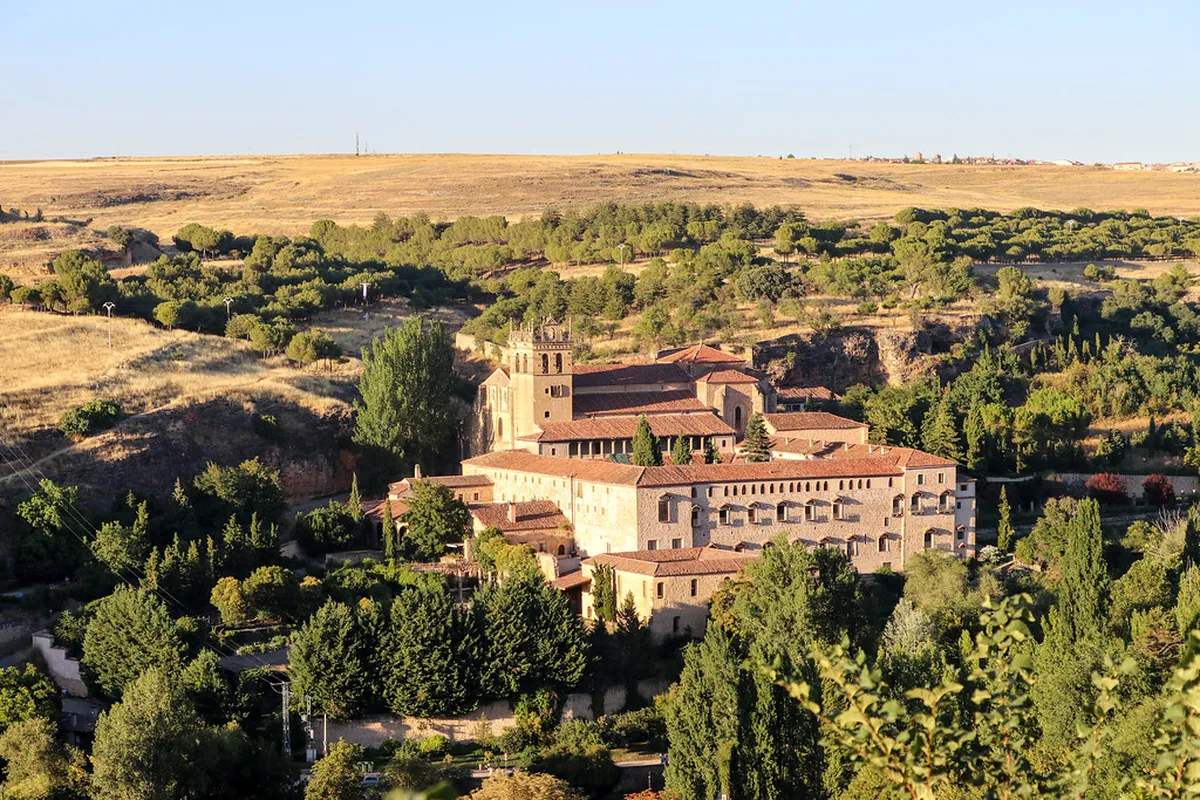
Table of Contents
San Jerónimo Monastery: Granada's Renaissance Architectural Gem
Granada, Spain, boasts incredible architectural treasures. The Renaissance architecture of San Jerónimo Monastery stands out. It offers a glimpse into Spain's glorious past. This article explores its design marvels for your 2025 visit. You will learn about its famous architects and intricate details.
This magnificent Monastery of San Jerónimo is a must-see. Its beauty represents a pivotal shift in Spanish design. Prepare to be inspired by its classical forms and harmonious proportions. Dive into Granada's rich architectural history.
The Birth of Renaissance Style at San Jerónimo
The construction of San Jerónimo Monastery began in 1492. It marked a significant architectural transition. Initial designs by Jacobo Florentino blended Gothic and Renaissance ideas. Later, master architect Diego de Siloé took over the project. Siloé's influence fully embraced the High Renaissance style.
Siloé applied classical principles to the entire complex. His vision brought mathematical harmony to Granada. He also designed parts of the Granada Cathedral. The monastery became a leading example of Spanish Renaissance architecture. It remains a testament to his genius.
The monastery's design reflects Italian influences. It incorporates elements like colossal orders and geometric precision. This style diverged from previous Gothic traditions. Visitors today can appreciate this dramatic shift in design.
Exploring the Grand Cloister and its Courtyards
The main cloister is a central feature of the monastery. It is one of the largest in Spain. This magnificent space showcases pure Renaissance elegance. Two stories of arcades define the courtyard. Each level features graceful arches and classical columns.
The cloister provided a peaceful space for monastic life. Its design emphasizes balance and order. Look closely at the delicate carvings on the capitals. These intricate details reveal the artisans' skill. The serene atmosphere invites quiet contemplation.
You can walk along the shaded corridors. Admire the interplay of light and shadow. The rhythmic repetition of columns creates a calming effect. This architectural harmony is truly captivating. It perfectly embodies Renaissance ideals.
The Church's Impressive Renaissance Design
The church at San Jerónimo Monastery is equally stunning. It features a unique single nave with side chapels. The design allows for an unobstructed view of the altar. This openness was a hallmark of Renaissance church architecture. The grand dome covers the transept crossing.
Inside, the church boasts an extraordinary altarpiece. It is a masterpiece of Spanish Renaissance sculpture. The detailed carvings depict biblical scenes. Golden hues illuminate the intricate artwork. It is a striking example of religious devotion and artistic skill.
The sepulchre of Gonzalo Fernández de Córdoba, the 'Great Captain', is here. His tomb is a focal point within the church. It showcases elaborate Renaissance funerary art. This area reinforces the monastery's historical importance. It honors a key figure in Spanish history.
Key Architectural Details to Look For
💡 Pro Tip: Book your Granada adventures in advance through Viator for the best deals!
The Renaissance architecture of San Jerónimo monastery offers many details. Pay attention to the use of classical orders. Doric, Ionic, and Corinthian columns are present. They add to the grandeur of the courtyards and facades.
Observe the intricate ornamentation. Medallions, pilasters, and cornices adorn the walls. These elements were popular during the Renaissance. They reflect a revival of ancient Roman and Greek styles. The precision in their execution is remarkable.
Look for the beautiful vaulted ceilings. They demonstrate advanced engineering and artistry. The play of light through the windows is also noteworthy. It highlights the building's sculptural qualities. Every corner reveals thoughtful design choices.
Planning Your 2025 Visit to San Jerónimo
Visiting San Jerónimo Monastery is a rewarding experience. It is located at Calle Rector López Argueta, 9, Granada. The monastery is open most days of the year. Check their official website for updated hours in 2025. Standard entry fees are typically around 5-6 Euros per person.
Consider visiting in the morning for fewer crowds. This allows for better photo opportunities. Plan about 1-2 hours to explore thoroughly. You can also combine your visit with a self-guided walking tour of nearby sites. Wear comfortable shoes for walking.
The monastery offers an audio guide for a small additional cost. This guide provides valuable historical insights. It enhances your understanding of the architecture. Don't forget to visit the gift shop for souvenirs. It's an essential stop on any Granada architecture guide.
Frequently Asked Questions
🌟 Local Expert Tip: Get the most out of your Granada visit with guided tours!
How much does it cost to enter San Jerónimo Monastery?
The entry fee for San Jerónimo Monastery is typically around 5-6 Euros. This price is subject to change. Students and seniors may receive discounts. It is always wise to check current prices for 2025 online. You can purchase tickets at the entrance.
What are the opening hours for San Jerónimo Monastery?
San Jerónimo Monastery generally opens from 10:00 AM to 1:30 PM. It also reopens from 3:00 PM to 6:30 PM. Hours can vary by season or public holidays. Always confirm specific timings on their official site. This helps ensure a smooth visit.
Who designed the Monastery of San Jerónimo in Granada?
The initial designs were by Jacobo Florentino. However, Diego de Siloé largely shaped its Renaissance character. He was a pivotal figure in Spanish Renaissance architecture. His influence is visible throughout the complex. You can see his mastery in many Granada buildings.
Is San Jerónimo Monastery worth visiting in Granada?
Absolutely. The Renaissance architecture of San Jerónimo Monastery is breathtaking. It offers a unique insight into Spanish history. Its serene cloisters and impressive church are captivating. Many consider it one of the best photography spots in Granada. Do not miss this architectural marvel.
The Renaissance architecture of San Jerónimo Monastery is truly magnificent. It showcases a blend of history and artistic mastery. This iconic site offers deep insights into classical Spanish design. Planning your visit for 2025 will be incredibly rewarding. Explore its courtyards and grand church.
Don't miss this essential stop on your architectural journey through Granada. Its beauty and historical weight make it unforgettable. Immerse yourself in the enduring legacy of the Spanish Renaissance. Your visit will be an inspiring experience.
Key Takeaways
- San Jerónimo Monastery is a prime example of Spanish Renaissance architecture.
- Diego de Siloé significantly influenced the monastery's classical design.
- The two-story cloister and church altarpiece are must-see features.
- Plan for 1-2 hours to fully appreciate the monastery's details in 2025.
- Check official websites for current opening hours and entry fees.