
Mudejar Architecture: Key Characteristics in Granada
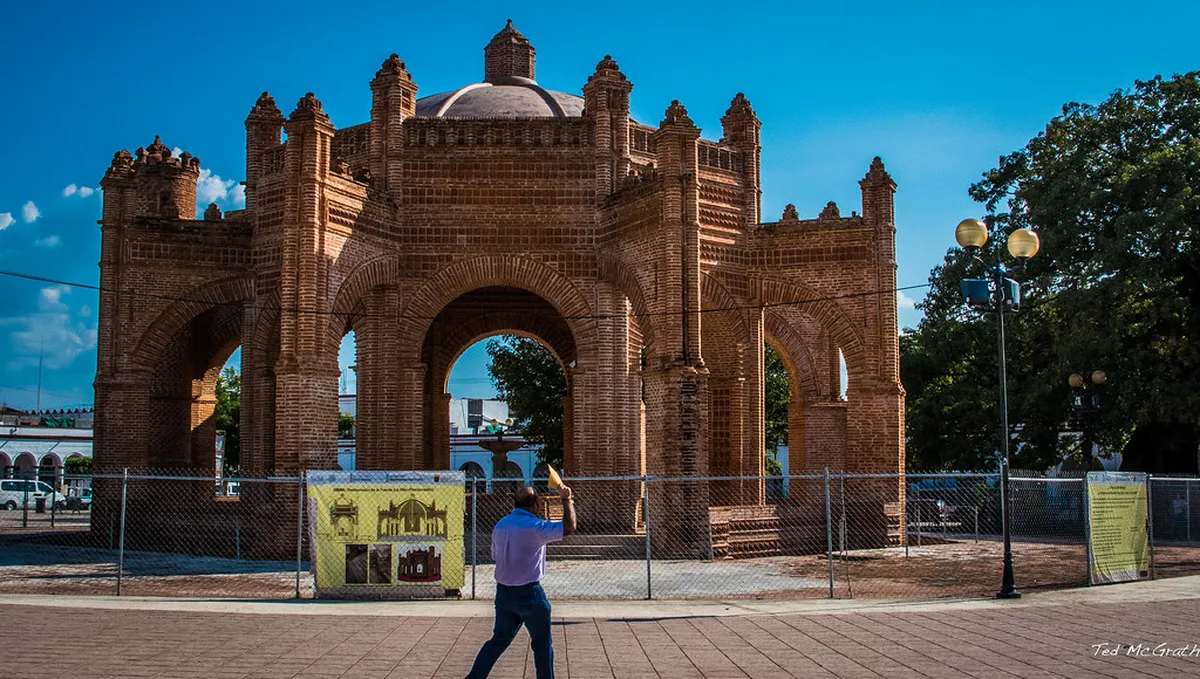
Table of Contents
Discover Key Mudejar Architecture Characteristics in Granada
Granada, Spain, boasts a rich architectural heritage. Among its treasures is the distinct Mudejar style. This unique fusion blends Islamic and Christian design elements. Understanding the key characteristics of Mudejar architecture enhances any visit. It showcases centuries of cultural coexistence.
This article explores what defines Mudejar buildings in Granada. You will learn about their origins and unique features. Prepare to appreciate this remarkable architectural expression in 2025. Explore the depth of Mudejar style explained more deeply here.
A Unique Blend of Cultures and Styles
Mudejar architecture emerged after the Christian Reconquista. It reflects a fascinating cultural synthesis. Moorish craftsmen continued building for Christian patrons. They used traditional Islamic techniques with new purposes.
This style flourished from the 12th to the 16th centuries. It is not an imitation but a creative evolution. Mudejar elements can be found in churches, synagogues, and palaces. It truly defines Granada's architectural history.
The style represents a rich historical period. It showcases skilled artisans' adaptability. These craftsmen preserved Moorish artistic traditions. They enriched Christian Spanish construction practices significantly.
Distinctive Materials and Structural Elements
Mudejar buildings often feature humble materials. Brick is a primary material for walls and facades. It allowed for intricate patterns and sturdy construction. Unlike stone, brick was readily available and cheaper.
Timber also plays a crucial role in Mudejar structures. Elaborate wooden ceilings, known as artesonado, are iconic. These ceilings demonstrate incredible craftsmanship. They are a defining feature of Granada's Mudejar buildings.
Arches are another significant characteristic. Horseshoe arches and multifoil arches are common. These arch types link directly to Islamic design traditions. You can observe them in many Mudejar courtyards. Explore Moorish arches in Granada.
Intricate Decorative Arts: Tiles and Plasterwork
Decoration is central to Mudejar aesthetics. Geometric tilework, or *zellij*, adorns many surfaces. These vibrant patterns often create stunning visual effects. They demonstrate mathematical precision and artistic skill.
Intricate plasterwork also features prominently. *Yesería* refers to carved plaster decorations. These often depict floral motifs and Kufic script. They add texture and elegance to interiors, like those found in Alhambra Palace architecture.
These decorative elements transform simple spaces. They create a sense of opulence and depth. The meticulous detail in each piece is remarkable. Discover more about Islamic tilework in Granada.
Courtyards and Water Features
⭐ Recommendation: Don't miss out on amazing Granada tours - book now!
Inner courtyards are a hallmark of Mudejar design. They provide light, ventilation, and a sense of tranquility. These spaces are often central to the building's layout. They offer a private oasis from the city.
Water features frequently enhance these courtyards. Small fountains or reflective pools are common. They create a soothing ambiance and cool the air. This design element reflects Moorish garden traditions.
Many Granada's hidden courtyards showcase Mudejar influence. They offer a glimpse into historical domestic life. These peaceful areas are truly captivating. They invite visitors to pause and reflect. Consider exploring them on your 2025 trip.
Frequently Asked Questions
What defines Mudejar architecture in Granada?
Mudejar architecture uniquely combines Islamic and Christian styles. It uses humble materials like brick and wood. Look for elaborate artesonado ceilings and intricate tilework. Horseshoe arches and peaceful courtyards are also key elements. This fusion reflects Granada's rich cultural history.
Where can I see Mudejar characteristics in Granada today?
Many sites display Mudejar features. Visit the Corral del Carbón for a great example. The Casa de Zafra also showcases this unique style. Explore the Albaicín neighborhood for residential examples. Discover the best Mudejar buildings in Granada.
How is Mudejar different from Nasrid architecture?
Mudejar architecture blends Christian and Islamic elements. Nasrid style is purely Islamic from the Nasrid dynasty. While Mudejar uses similar decorative motifs, its application differs. Nasrid works like the Alhambra heavily influence Mudejar. Learn more about Nasrid Palaces design for comparison.
The key characteristics of Mudejar architecture tell a compelling story. They speak of cultural exchange and artistic mastery. Granada's Mudejar buildings offer a unique visual experience. They remain a testament to Spain's complex past.
Plan your 2025 visit to explore these wonders firsthand. Seek out the brickwork, tiles, and wooden ceilings. Immerse yourself in this historical design blend. Discover why Mudejar remains so captivating. Begin your journey with a Granada architecture guide.
Key Takeaways
🎯 Insider Tip: Discover the best Granada experiences with Viator Tours!
- Mudejar fuses Islamic and Christian architectural styles.
- Look for brick, carved wood ceilings (artesonado), and intricate tiles.
- Courtyards and horseshoe arches are common design elements.