
Main Architectural Styles Around Plaza de España
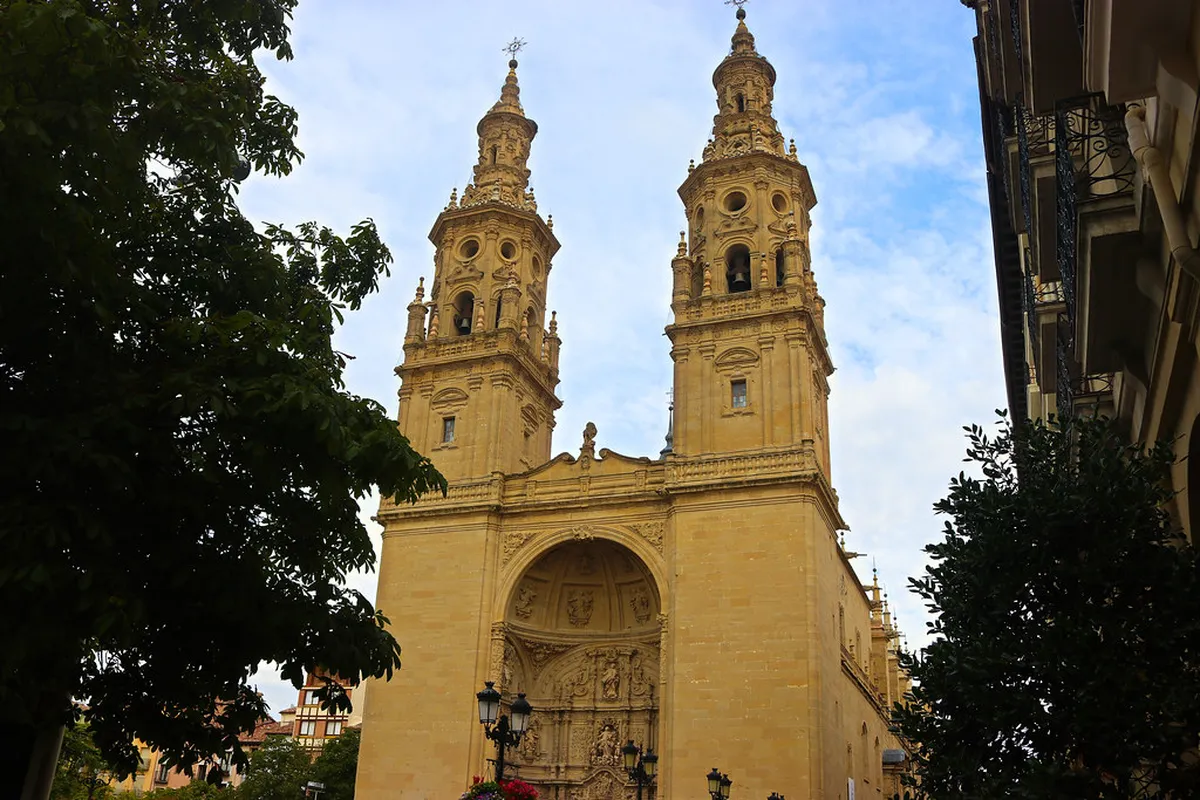
Table of Contents
Explore Plaza de España's Architectural Styles in 2025
Santa Cruz de la Palma is a historical gem. The city center boasts incredible architecture. Plaza de España architecture tells centuries of stories. This guide explores the main architectural styles around Plaza de España. Prepare for a captivating journey through time in 2025.
You will discover diverse influences here. From Canarian colonial to Renaissance, each building has unique features. These structures showcase the island's rich past. Learn about the distinctive beauty of this charming Canary Island city.
Discovering Canarian Colonial Architecture
Canarian Colonial style defines much of the area. It mixes Spanish and Portuguese influences. You will see ornate wooden balconies everywhere. These elements are highly characteristic of the island.
The Casas Consistoriales stands out in the Plaza. This historic town hall features stunning traditional design. Its wooden balconies and whitewashed walls are iconic. Explore its beautiful history and architecture. These buildings reflect a vibrant past.
Look for carved wooden elements. Elaborate window frames and strong doors are common. Many buildings also feature central courtyards. These traditional Canarian patios provide cooling shade. They are a true highlight of the style.
Renaissance and Baroque Splendor at El Salvador
The Iglesia Matriz de El Salvador dominates Plaza de España. It presents a magnificent blend of styles. Renaissance influences are evident in its main portal. The classical columns and intricate carvings are striking.
Inside, Baroque elements add grandeur. The main altar is a prime example of this. Rich decoration and dramatic flair are hallmarks. This church is a testament to the island’s wealth. It reflects significant historical periods.
Do not miss the impressive Mudéjar ceiling. This unique feature showcases Moorish craftsmanship. It contrasts beautifully with European styles. The church is a must-see example of Baroque architecture in the Canary Islands. Plan your visit for the best experience.
Volcanic Stone and Unique Craftsmanship
Local materials heavily influenced construction. Volcanic stone is a prevalent building material. Its dark hues provide a striking contrast. Many facades around the Plaza feature this stone.
Craftsmen used this stone skillfully. You can see its raw beauty in foundations. It also appears in decorative elements. This unique material makes the architecture distinctly Canarian. Volcanic stone construction is a true local art. It adds character to the city.
The intricate wooden balconies complement the stone. They offer shade and ventilation. These are often painted in vibrant colors. Such details create a charming streetscape. This blend defines the local aesthetic. Discover these unique Canarian wooden balconies during your stroll.
A Walk Through Architectural History in 2025
⭐ Recommendation: Don't miss out on amazing Madrid tours - book now!
Exploring the Plaza is like walking through history. Each building reveals a different era. The combination of styles makes it unique. You will find influences from Spain, Portugal, and even Flanders.
Many structures show clear Renaissance architectural influences. These arrived with European trade routes. The city's prosperity allowed for grand constructions. Merchants introduced new design ideas to the island.
Consider taking an architecture walking tour. Many historic doorways and entrances await discovery. Look for coats of arms and intricate carvings. These details provide fascinating insights. They tell stories of past inhabitants and their lives.
The harmonious blend is truly special. It showcases centuries of cultural exchange. Visitors in 2025 can still appreciate this legacy. Santa Cruz de la Palma preserves its heritage wonderfully.
Frequently Asked Questions
What defines Canarian Colonial architecture near Plaza de España?
Canarian Colonial architecture features distinctive elements. Look for ornate wooden balconies, often enclosed. Many buildings include central, shaded courtyards. Whitewashed walls and volcanic stone foundations are common. These homes showcase a unique blend of cultures near Plaza de España architecture.
This style developed due to trade routes. It adapted European designs to island conditions. The use of local materials is also key. This creates a charming and practical aesthetic.
Are there Renaissance examples around Plaza de España?
Yes, significant Renaissance examples exist. The Iglesia Matriz de El Salvador is a prime site. Its main portal features classical Renaissance elements. Columns, cornices, and pediments are prominent. These details reflect European artistic movements.
Other civic buildings also show Renaissance traits. This architectural style emphasizes symmetry and proportion. It arrived in La Palma during periods of prosperity. Renaissance influences are definitely a highlight.
How does volcanic stone impact local building styles?
Volcanic stone profoundly impacts local building styles. It is a readily available, durable material. Its dark color provides a striking contrast. You see it in foundations, walls, and decorative accents. Volcanic stone construction adds a unique texture. This material connects buildings deeply to the island's natural landscape.
Craftsmen mastered working with this stone. It gives a robust, authentic feel. The use of volcanic stone is a signature of Canarian architecture. It helps buildings withstand the elements effectively.
Plaza de España serves as an architectural time capsule. It perfectly showcases Santa Cruz de la Palma's history. From colonial charm to Renaissance grandeur, every corner holds a story. These main architectural styles around Plaza de España are truly inspiring.
Plan your visit to explore these wonders in 2025. Discover the beauty of Santa Cruz de la Palma's architecture firsthand. Your journey through history awaits you.
Key Takeaways
- Plaza de España blends Canarian Colonial, Renaissance, and Baroque styles.
- Look for distinctive wooden balconies and volcanic stone features.
- The Iglesia Matriz de El Salvador is a must-see for its architectural blend.