
Identifying Volcanic Rock Buildings in Santa Cruz de la Palma
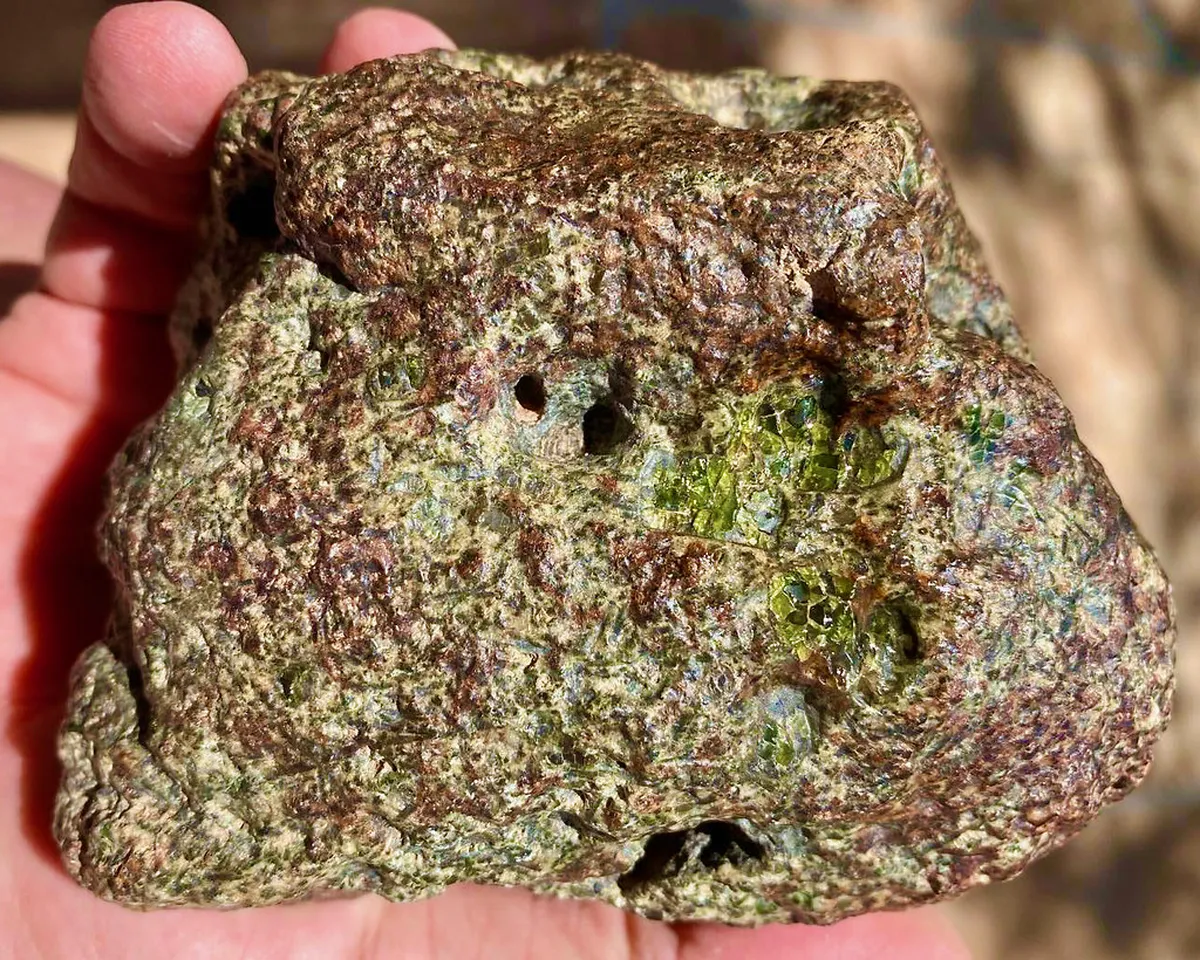
Table of Contents
How to Identify Volcanic Rock Architecture in Santa Cruz de la Palma
Santa Cruz de la Palma offers stunning historical architecture. Many of its charming structures are made from local volcanic rock. Identifying buildings made from volcanic rock enhances your appreciation. This guide helps you spot these unique constructions.
Understanding the local materials reveals the island's history. Volcanic stone construction is a hallmark of Canarian design. Explore the architectural guide to Santa Cruz de la Palma. You will discover the island's rich building traditions.
The Volcanic Foundations of La Palma
La Palma is a volcanic island in the Canaries. Its formation provides abundant building materials. Basalt and other igneous rocks are very common here. These materials shaped the island's unique architecture for centuries.
Early settlers used readily available volcanic stones. This practice reflects a deep connection to the land. The durable nature of basalt made it an ideal choice. It offers excellent protection against elements.
Understanding the island's geology is key. The specific types of lava flows impacted building styles. These natural resources are still visible in historic areas. Learn more about volcanic stone construction techniques.
Visual Cues: How to Spot Volcanic Stone
Volcanic rock typically presents a darker hue. Colors range from deep grey to black. Textures can be rough, porous, or finely grained. Look for these unique characteristics in wall facades.
Many buildings use cut basalt blocks. These blocks are often laid in distinct patterns. Mortar lines might appear wider due to irregular shapes. This gives a robust and organic feel to structures.
Sometimes volcanic stone is covered with plaster. However, corners and foundations often remain exposed. Check the building's base for natural stone. This provides clues about its original materials. Discover how volcanic stone is used in La Palma.
Iconic Volcanic Rock Buildings in Santa Cruz
Santa Cruz de la Palma features numerous examples. The Iglesia Matriz de El Salvador showcases dark stone. Its impressive facade highlights the material's strength. Many religious structures use basalt for their foundations.
Defensive structures also relied on volcanic rock. The Castillo de Santa Catalina is a prime example. Its sturdy walls protected the city. These military structures speak to the stone's resilience.
Walk along Calle Real for more insights. You will see older homes incorporating basalt. Look for contrasting materials, like plaster and wood. This blend is typical of traditional Canarian Colonial architecture.
Beyond Basalt: Other Local Building Materials
🎯 Insider Tip: Discover the best Madrid experiences with Viator Tours!
While basalt is prevalent, other materials exist. Red volcanic scoria can be found too. This lighter, more porous rock provides insulation. It creates a different aesthetic when used.
Wood is another essential element in Canarian architecture. Many historic buildings feature elaborate wooden balconies. These often contrast beautifully with dark stone walls. The blend creates visual interest and charm.
Lime plaster was also widely used. It often covered volcanic stone structures. This protected the softer stone beneath. Look for painted plaster with exposed stone accents. Explore traditional wooden balconies around the city.
An Architectural Walking Tour for Volcanic Stone Enthusiasts
Start your journey at the Plaza de España. Observe the Plaza de España architecture, including the church. Notice the use of volcanic stone in its construction. Then, wander down historic Calle Real for more examples.
Many preserved historic buildings line these streets. Pay attention to the ground floors and entrances. Often, the robust volcanic rock is most visible here. These foundations stand the test of time and elements.
Consider exploring the San Telmo neighborhood. It offers many traditional homes. Look for the distinct dark stone combined with colorful plaster. Plan your own architectural walking tour route for 2025. It promises a truly immersive experience.
Frequently Asked Questions
What kind of volcanic rock is used in Santa Cruz de la Palma?
The primary volcanic rock used is basalt. Basalt is a dark, fine-grained igneous rock. It is very dense and durable. Scoria, a lighter, more porous volcanic rock, is also found. These local materials define much of the historic architecture. Learn more about volcanic stone construction methods.
Are all old buildings in Santa Cruz de la Palma made from volcanic rock?
No, not all old buildings are entirely made of volcanic rock. Many historic structures feature mixed materials. Volcanic stone often forms the foundations and lower walls. Upper sections might use plaster, wood, or lighter stone. Explore preserved historic buildings to see these variations.
How does volcanic rock affect the look of a building?
Volcanic rock gives buildings a distinctive, robust appearance. Its dark color provides a strong base. It often contrasts with brighter plaster or wooden elements. This creates a visually rich and unique aesthetic. This material reflects the island's natural environment. Discover the unique architectural color palettes.
Identifying buildings made from volcanic rock offers a deeper connection. It highlights Santa Cruz de la Palma's unique heritage. This ancient material tells a story of resilience. It speaks of adaptation to the natural environment.
Next time you visit in 2025, look closer at the walls. Appreciate the strength and beauty of these stones. Uncover the rich architectural tapestry of this special island. Plan your visit to explore these fascinating structures firsthand. Dive into the architecture of Santa Cruz de la Palma today.
Key Takeaways
🎯 Insider Tip: Discover the best Madrid experiences with Viator Tours!
- Look for dark, often rough-textured stone, especially at building bases and corners.
- Many historic buildings mix volcanic stone with plaster and wooden balconies.
- Explore areas like Calle Real and Plaza de España for prime examples of volcanic architecture.