
Balcones de la Avenida Marítima: Santa Cruz Guide 2025
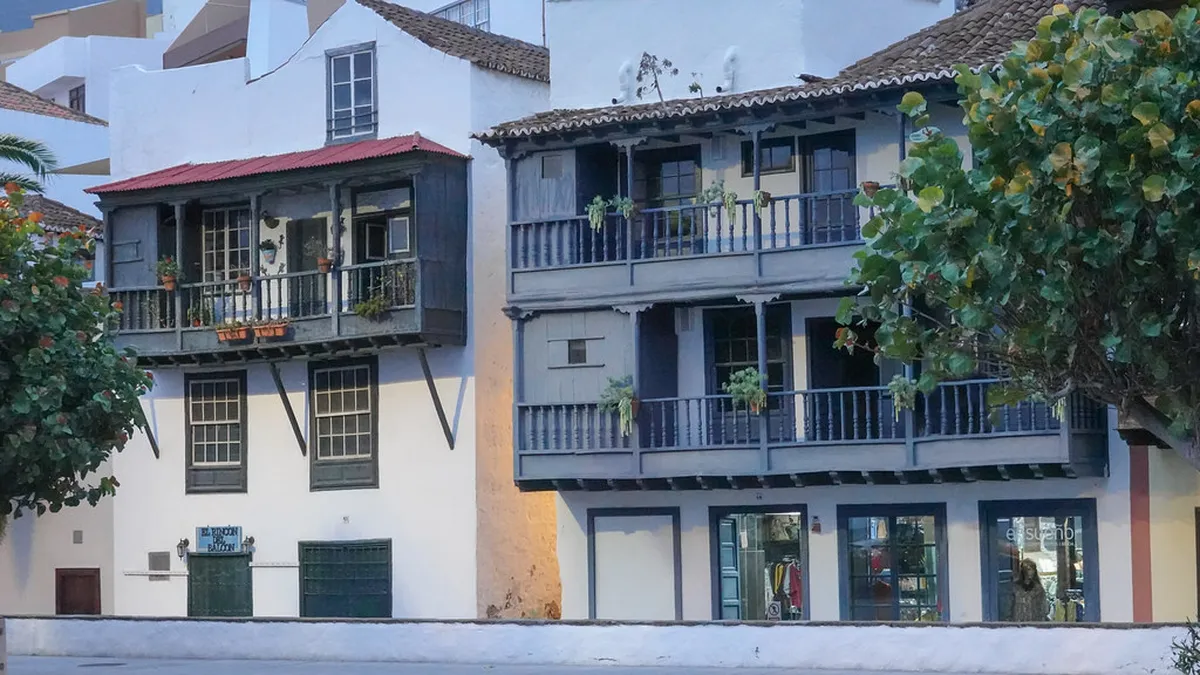
Table of Contents
Discover the Iconic Balcones de la Avenida Marítima
Santa Cruz de la Palma offers stunning architecture. The city's charm lies in its historic streets. Among its treasures are the iconic Balcones de la Avenida Marítima. These colorful wooden balconies line the waterfront.
They represent a unique blend of culture and history. These structures invite visitors to discover their story. This 2025 guide explores these beautiful wooden balconies. Prepare to be enchanted by their charm.
History of Santa Cruz's Waterfront Balconies
The Balcones de la Avenida Marítima emerged from a rich past. Santa Cruz de la Palma was a vital port. Maritime trade brought wealth and diverse influences. This prosperity led to unique architectural styles.
These balconies served practical purposes initially. They allowed ventilation and shaded homes. Over time, they became decorative. They showcased the island's economic success. Learn more about the history of these iconic structures.
The 16th century saw significant urban development. Many of these buildings date back to this era. Their construction reflected European and local traditions. The wood used often came from the island's lush forests. This blend created a distinct Canarian style.
Pirate attacks shaped the city's defenses. After such events, reconstruction reinforced its unique look. The Balcones de la Avenida Marítima stood resiliently. They are a testament to the city's enduring spirit. Their story is intertwined with the island's maritime trade history.
Today, they are carefully preserved. These buildings reflect centuries of island life. They offer a glimpse into the past. Exploring them is like walking through a living museum. They remain a highlight of preserved historic buildings.
Architectural Features and Canarian Style
The Balcones de la Avenida Marítima boast specific characteristics. They are typically made of dark wood. This wood contrasts beautifully with the white facades. Ornate carvings often decorate the balustrades. Each balcony tells its own story.
These elements are central to Canarian colonial architecture. The wooden structures extend outwards. This design provided additional living space. It also captured refreshing sea breezes. They are both functional and aesthetically pleasing.
Many balconies feature vibrant colors. Blues, greens, and yellows adorn the shutters. These hues add to their picturesque appeal. They create a stunning visual against the Atlantic Ocean. The choice of colors often reflects island traditions.
- Materials: Locally sourced tea wood and pine.
- Design: Overhanging structures with intricate railings.
- Colors: Brightly painted shutters and doors.
- Function: Ventilation, shade, and expanded living area.
The integration of these balconies is seamless. They form a continuous, beautiful façade. This unity defines the Avenida Marítima's charm. It's a prime example of domestic architecture styles. Visitors admire this unique blend of utility and beauty.
Exploring the Avenida Marítima: A Visitor's Guide
Visiting the Balcones de la Avenida Marítima is a must. Start your walk at the northern end of the avenue. This allows a gradual immersion into their beauty. The entire stretch offers fantastic views. Allow at least one hour for a leisurely stroll.
The best time to visit is in the morning. Early light illuminates the balconies perfectly. Fewer crowds mean better photo opportunities. Admission is free, as they are public facades. Simply walk and admire these historic gems.
Consider joining an architecture walking tour. These tours offer deeper insights. Guides share stories and hidden details. Tours often depart from the Plaza de España. Check local tourist information for 2025 schedules.
Nearby attractions complement your visit. The Plaza de España is just a short walk away. It features more impressive Renaissance architecture. You can also find charming cafes along Calle Real. These spots offer perfect places to relax.
Remember to wear comfortable shoes. The streets are well-maintained. Always respect local residents' privacy. The balconies are private homes. Observe and photograph from public areas only.
Capturing the Balconies: Photography Tips
🌟 Local Expert Tip: Get the most out of your Madrid visit with guided tours!
The Balcones de la Avenida Marítima are a photographer's dream. Their vibrant colors and intricate details pop. Use the early morning or late afternoon light. This golden hour creates soft, warm tones. It reduces harsh shadows for better shots.
Try different angles and perspectives. Stand across the street for a wide shot. Focus on individual balconies for detail. Look for reflections in puddles after rain. These add an artistic touch to your images.
For the best overall view, head to higher ground. Some hotels or cafes offer elevated perspectives. The Mirador de la Encarnación provides a panoramic vista. This viewpoint captures the entire waterfront stretch. It's one of the best viewpoints for the balconies.
Consider the details in your photos. Capture the ornate carvings. Highlight the contrast between wood and plaster. Include elements like flowers or street lamps. These add character to your compositions. Many of these spots are among the best architecture photography spots.
Frequently Asked Questions
🌟 Local Expert Tip: Get the most out of your Madrid visit with guided tours!
Why are the Balcones de la Avenida Marítima different colors?
The varying colors reflect personal choices of homeowners. Historically, vibrant pigments were expensive. They showcased wealth and status. Today, they add charm and individuality. This tradition makes the facade unique.
Local regulations might influence color palettes. However, individual expression remains key. The bright hues are a signature of Canarian design. They enhance the cheerful atmosphere. Explore more about why the balconies are different colors.
Can visitors enter the buildings behind the balconies?
Generally, no, these buildings are private residences. They are not open to the public. You can admire them from the street. Respect the privacy of the residents. Many have been family homes for generations.
Some ground floors might house shops or cafes. You can enter these establishments. This offers a closer look at the architecture. Enjoy a coffee with a balcony view. This allows appreciation without intrusion.
What is the best time of year to visit Santa Cruz de la Palma for the balconies?
Spring (April-June) and Fall (September-November) are ideal. The weather is pleasantly mild. Crowds are also smaller than in summer. This creates a more relaxed experience. The light is perfect for photography.
Winter offers a quieter charm. Temperatures are cooler but still pleasant. Summer is warm and busy. Planning your 2025 trip during the shoulder seasons is recommended. This avoids peak tourist periods.
The Balcones de la Avenida Marítima are true architectural marvels. They embody the rich history of Santa Cruz de la Palma. Their beauty and stories captivate every visitor. Make sure these iconic balconies are on your 2025 itinerary.
Plan your visit to fully appreciate their charm. Explore the history, architecture, and capture stunning photos. For more insights into the city's heritage, consult our comprehensive Santa Cruz de la Palma architecture guide. Experience this unique Canarian treasure.
Key Takeaways
- Visit in early morning for best light and fewer crowds.
- Respect residents' privacy; the balconies are part of private homes.
- Look for intricate carvings and vibrant colors on the wooden structures.