
Plaza de España Buildings: A Rich Architectural History
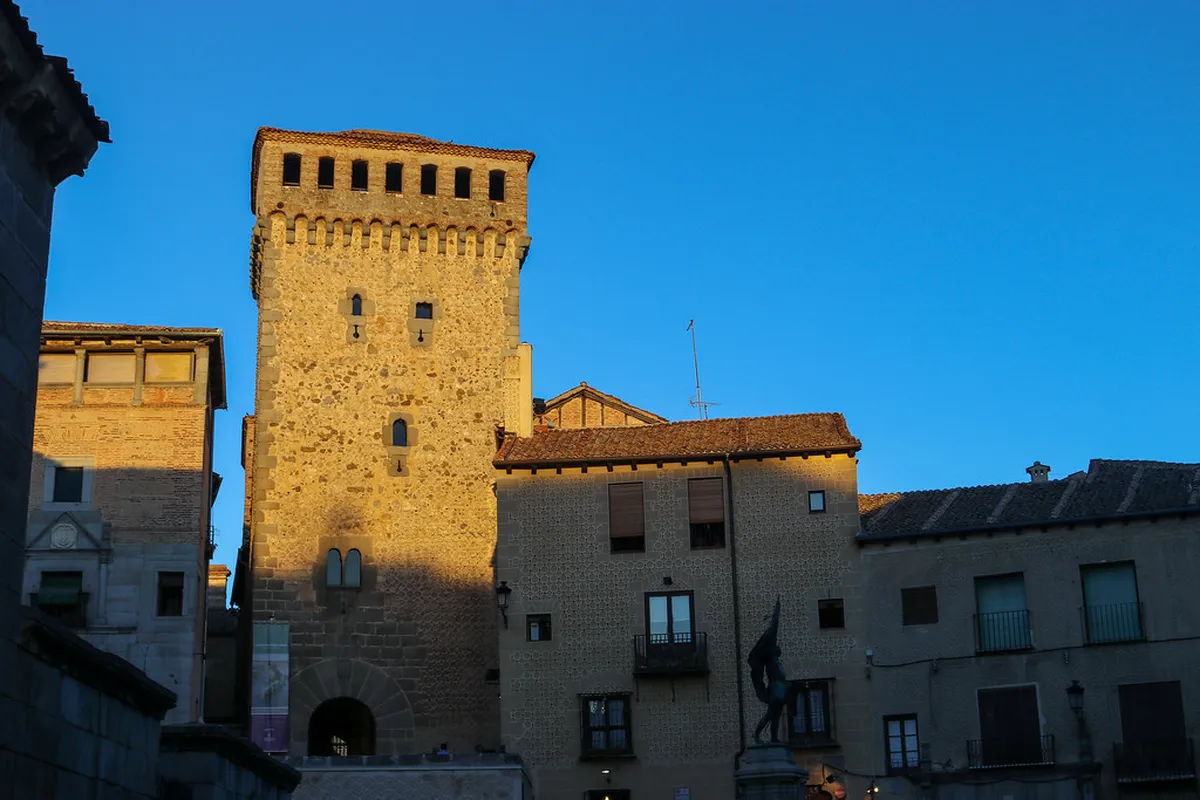
Table of Contents
Explore the Architectural History of Plaza de España Buildings
Santa Cruz de la Palma captivates visitors with its charm. The city's heart beats strongest at Plaza de España. This historic square showcases centuries of design. Its surrounding buildings tell a unique architectural history of Plaza de España buildings. They reflect the island's vibrant past and cultural influences. You can explore this fascinating heritage during your 2025 trip. This guide will reveal the secrets behind its stunning structures. Get ready to dive into the rich Santa Cruz de la Palma architecture guide.
Plaza de España: Santa Cruz de la Palma's Historic Core
Plaza de España stands as the historical center. Its origins date back to the 16th century. This plaza served as the city's main public space. It witnessed significant events and daily life. The square's layout reflects early urban planning.
The strategic location of Santa Cruz de la Palma fostered trade. Maritime activities heavily influenced its development. This led to a unique blend of styles. The plaza became a hub for commerce and culture. Discover more about the 16th-century city plan.
Over centuries, the plaza evolved. New structures emerged, each adding layers of history. Yet, its core essence remains. The buildings around it define its character. They offer a glimpse into different eras. These historic elements create a truly special atmosphere. Maritime trade greatly influenced local architecture.
Iglesia Matriz de El Salvador: A Blend of Faith and Artistry
The Church of El Salvador dominates Plaza de España. It is a prime example of island architecture. Construction began in the 16th century. Its distinctive tower draws every eye. This church showcases incredible artistry.
You will notice strong Renaissance influences here. However, Mudejar elements also stand out. The church features beautiful wooden ceilings. These ornate designs are typical of Mudejar craftsmanship. The building uses local volcanic stone effectively. This material provides strength and character.
Inside, the church boasts intricate altarpieces. Its overall design provides a serene experience. The blend of styles makes it unique. It represents centuries of religious devotion. Visiting hours are typically from 10:00 AM to 1:00 PM. Learn more about Iglesia Matriz de El Salvador.
The church's striking bell tower rises majestically. It features a unique spiral staircase. This staircase is made from lava rock. Such details highlight the ingenuity of its builders. Its Renaissance architecture influences are clearly visible.
Casas Consistoriales: The Iconic City Hall's Grandeur
The Casas Consistoriales, or City Hall, faces the church. This building is equally impressive. It was constructed between 1559 and 1563. The City Hall signifies civic importance. Its detailed facade captures attention.
Flemish architectural influences are evident here. This style came through prosperous trade routes. The building features an elegant arcaded ground floor. Intricate carvings adorn its upper levels. These details showcase exquisite craftsmanship. The City Hall is a jewel of the Plaza de España buildings.
The building's interior holds significant historical records. It has served as the seat of local government for centuries. The blend of functionality and beauty is remarkable. It remains an active government building today. Visitors can admire its exterior daily.
The City Hall facade combines Renaissance and local elements. Its elegant arches and balconies are noteworthy. This structure stands as a testament to the island's prosperity. It reflects the Casas Consistoriales history. The Flemish art influence is a key aspect of its design.
Understanding Canarian Colonial Architecture Around the Plaza
🌟 Local Expert Tip: Get the most out of your Madrid visit with guided tours!
Beyond the main church and city hall, other structures complete the plaza. These buildings display typical Canarian Colonial architecture. They feature charming wooden balconies. These balconies often extend over the street. They are perfect for enjoying the views.
Many buildings incorporate traditional Canarian patios. These inner courtyards provide cool, private spaces. They offer a peaceful escape from the bustling square. The architecture emphasizes natural ventilation. This design is well-suited for the island's climate. The use of Canarian Colonial architecture is widespread.
Materials like volcanic stone are common. This durable material shaped many historic buildings. Facades are often painted in bright, welcoming colors. These vibrant hues add to the city's charm. The residential and commercial buildings around Plaza de España contribute significantly to its overall aesthetic. You can admire many of these structures in 2025.
Stroll through the surrounding streets. You will discover many such examples. These structures include well-preserved wooden balconies. They offer a consistent and beautiful architectural theme. The entire plaza area showcases this unique regional style.
Frequently Asked Questions
🌟 Local Expert Tip: Get the most out of your Madrid visit with guided tours!
What architectural styles can you see in Plaza de España buildings?
Plaza de España buildings feature a blend of styles. You will find Renaissance and Mudejar influences. Canarian Colonial elements are also prominent. Flemish details enhance the City Hall's facade. These styles reflect the island's diverse historical connections. Explore the main architectural styles more deeply.
When were the main buildings around Plaza de España constructed?
Most major buildings date from the 16th century. The Church of El Salvador began construction earlier. The City Hall was largely completed by 1563. Many surrounding colonial houses also trace their origins to this period. These preserved historic buildings are well-maintained. Plan your visit for 2025 to see them.
Are the historic buildings in Plaza de España open to the public?
Yes, some buildings are accessible. The Church of El Salvador is generally open for visits. The City Hall can be admired from the exterior. Its interior is usually reserved for official business. Many surrounding shops and cafes welcome visitors. Check specific opening hours for 2025 before your trip. Enjoy the historical atmosphere. Consider an architecture walking tour route around the area.
The architectural history of Plaza de España buildings is rich. It reflects centuries of cultural exchange and craftsmanship. From the Mudejar church to the Flemish-influenced City Hall, each structure tells a story. This plaza is a must-visit for history and architecture lovers. Plan your 2025 trip to experience its unique charm. Discover more of Plaza de España architecture firsthand.
Key Takeaways
- Plaza de España is the historical and architectural heart of Santa Cruz de la Palma.
- The Iglesia Matriz de El Salvador showcases Renaissance and Mudejar styles.
- Casas Consistoriales (City Hall) displays distinct Flemish architectural elements.
- Surrounding buildings feature charming Canarian Colonial architecture, including wooden balconies.
- Visit in 2025 to experience this unique blend of historical designs.