
Renaissance Facade: Santa Cruz de la Palma Town Hall
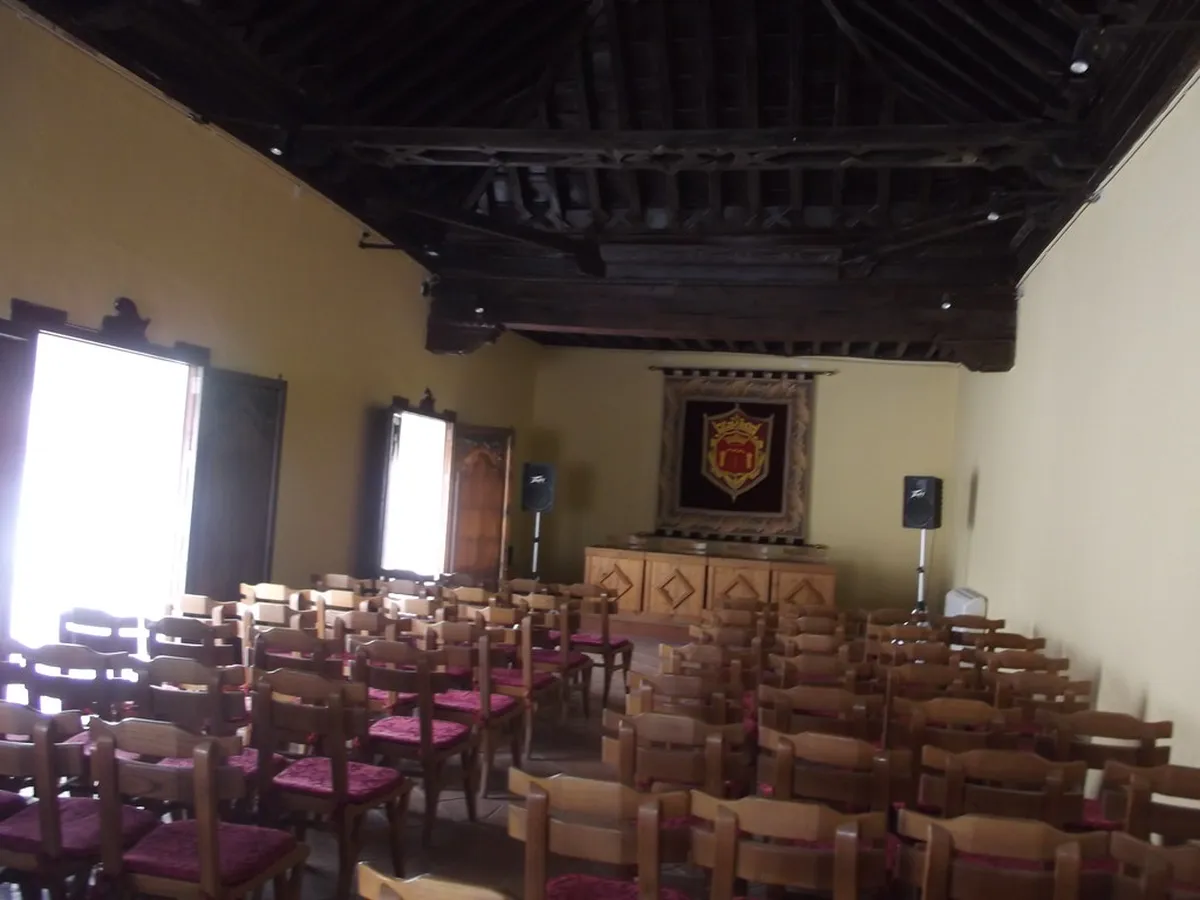
Table of Contents
Santa Cruz de la Palma: Iconic Renaissance Town Hall Facade
Santa Cruz de la Palma offers a rich tapestry of history. Its architecture tells tales of a vibrant past. A standout example is the old town hall. This building boasts an impressive Renaissance facade. It stands proudly in the city's historic heart.
This iconic structure reflects centuries of Canarian heritage. Understanding its design offers unique insights. It showcases the island's enduring architectural beauty. Discover more about Santa Cruz de la Palma's architecture in this guide.
The Casas Consistoriales: A 16th-Century Masterpiece
The old town hall, known as Casas Consistoriales, dates back to the 16th century. Construction began in 1559. It replaced an earlier building damaged by fire. This significant project shaped the city's central square.
The building's design incorporated then-modern styles. Its origins are deeply tied to Casas Consistoriales history. The structure served as the administrative hub. It witnessed centuries of civic life in Santa Cruz de la Palma.
This era saw great prosperity for the island. Wealth from maritime trade fueled grand constructions. The town hall's Renaissance facade symbolized this affluence. It represented the city's growing importance as a port.
Unpacking the Renaissance Facade's Architectural Details
The Renaissance facade is truly captivating. It features a harmonious blend of elements. Smooth ashlar stonework defines its strong foundation. The ground floor presents a series of arches.
These arches lead into the building's interior. Above, elegant pilasters frame the windows. These classic features are hallmarks of Renaissance architecture influences. Intricate carvings also adorn the facade.
Look closely for the city's coat of arms. It is prominently displayed above the main entrance. This detail signifies the building's civic purpose. The facade remains a stunning example of preserved historic buildings.
The Town Hall's Enduring Civic and Cultural Role
Beyond its beauty, the town hall is a civic heart. It has always housed municipal government. Important decisions for the island were made here. The building truly shaped local governance.
Its location on the Plaza de España is no accident. This central square served as a public forum. It was a gathering place for residents and visitors alike. The square remains a vibrant public space today.
The Casas Consistoriales continues its administrative function in 2025. It also hosts cultural events. Its historic rooms echo with modern activities. The building connects past traditions with present-day life.
Visiting the Historic Old Town Hall in 2025
💡 Pro Tip: Book your Madrid adventures in advance through Viator for the best deals!
Exploring the old town hall is a must for any visitor. It is located right in the city center. Its address is Plaza de España, s/n, Santa Cruz de la Palma. You can easily find it near the main church.
While typically not open for extensive tours, its exterior is always accessible. Visitors can admire the stunning Renaissance facade at any time. The best views are often in the morning light. Consider combining your visit with an architecture walking tour route.
Public access to certain areas for official business is usually during weekdays. Check local tourist information for specific details on interior access. Guided tours might occasionally be available. They often focus on the Casas Consistoriales experience.
Frequently Asked Questions
What is the history behind the Renaissance facade of the old town hall?
The old town hall's facade was built after 1559. It replaced an earlier structure. A pirate attack severely damaged the original building in 1553. This new construction showcased Renaissance architectural trends.
It reflected Santa Cruz de la Palma's resilience. The design also highlighted its economic prosperity. The 16th-century city plan prioritized civic structures. This facade became a symbol of renewal.
Are there specific design features that characterize the Renaissance facade?
Yes, several features define this facade. It includes classical elements like pilasters. Round arches dominate the ground floor. Detailed stonework and decorative motifs are also present.
You can also observe the city's coat of arms. These elements together create a balanced look. They demonstrate the aesthetic principles of the era. The facade perfectly blends form and function.
Can visitors enter the old town hall to see its interior?
Access to the interior of the Casas Consistoriales is generally limited. It remains an active government building. However, the exterior is freely viewable for all. The Plaza de España offers excellent vantage points.
Occasionally, special events or tours may allow interior access. Check with the local tourism office for updated information. Many other historic doorways and entrances are open for exploration.
The Renaissance facade of Santa Cruz de la Palma's old town hall is a true gem. It elegantly blends history, art, and civic importance. Its detailed architecture tells a compelling story. This makes it a highlight for any visitor to the island.
Plan your trip to explore this iconic landmark in 2025. Experience the charm of the historic center. Don't miss this crucial piece of Canary Island architectural heritage. Its beauty will surely captivate you.
Key Takeaways
- The town hall's Renaissance facade dates back to the mid-16th century, replacing an older structure.
- Key architectural features include ashlar stonework, classical pilasters, and the city's coat of arms.
- The building remains an active civic center, reflecting Santa Cruz de la Palma's enduring history.