
Cathedral de Santiago Architecture: A 2025 Guide
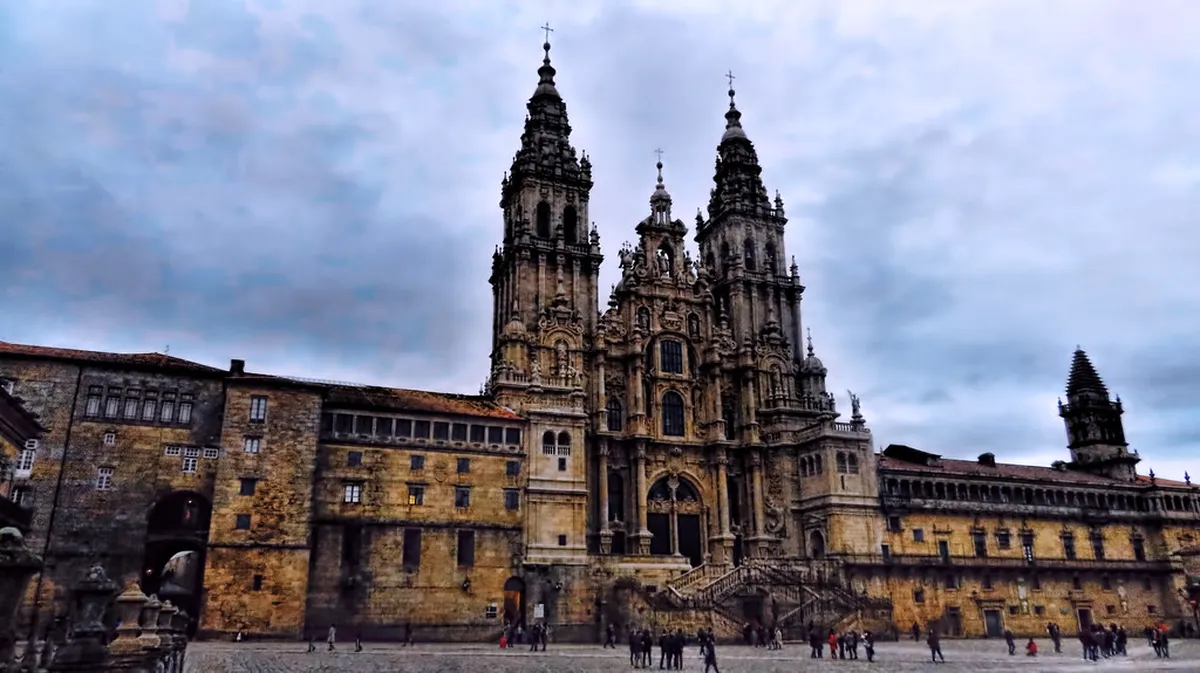
Table of Contents
Discovering the Grandeur of Santiago Cathedral Architecture
Santiago de Compostela, Spain, captivates visitors worldwide. Its majestic Cathedral de Santiago stands as a beacon of faith. Pilgrims complete the Camino de Santiago here. This grand structure is also an architectural masterpiece. It blends centuries of design and craftsmanship.
You will discover a rich tapestry of styles within its walls. From ancient Romanesque roots to elaborate Baroque facades, it tells a unique story. Prepare to explore this iconic landmark in 2025. Dive into the fascinating world of the Cathedral de Santiago's architectural history. This guide highlights its most impressive features.
Romanesque Origins: The Cathedral's Enduring Core
The Cathedral de Santiago began its life in the 11th century. Construction started around 1075 during the Romanesque period. This initial phase laid the foundational Latin cross plan. Builders utilized sturdy barrel vaults and thick, solid walls. These elements provided remarkable structural integrity. You can still see much of this original design.
Key Romanesque features remain visible inside the cathedral. Look for the distinct rounded arches and robust pillars. The transept and ambulatory sections showcase this early style. Pilgrims would have entered a simpler, yet imposing, structure. Its design reflected the spiritual journey.
The glorious Portico de la Gloria is a Romanesque gem. Master Mateo completed this masterpiece in the late 12th century. It features incredible biblical sculptures. The detail and expressiveness are truly breathtaking. This portico is a cornerstone of the original Romanesque core. Do not miss exploring its intricate details.
Baroque Brilliance: The Iconic Obradoiro Facade
The western façade of the Cathedral de Santiago is world-famous. It faces the magnificent Praza do Obradoiro. This stunning addition is a prime example of Galician Baroque architecture. Architect Fernando de Casas Novoa designed it in the 18th century. It protects the older Portico de la Gloria.
This elaborate facade features soaring towers and intricate stonework. Figures of St. James, his disciples, and kings adorn its surface. The shell motif, a symbol of pilgrimage, is prominent. This architectural marvel was completed in 1750. It utterly transformed the cathedral's exterior.
The majestic staircase leading up to the facade is equally impressive. It creates a dramatic entrance for visitors. The Obradoiro Facade truly defines the public face of the Cathedral de Santiago Architecture. It is a must-see for any architectural enthusiast. The sheer scale and detail are unforgettable.
Gothic and Plateresque Touches: Evolving Styles
Over centuries, the Cathedral de Santiago evolved. Later additions introduced Gothic elements. You can observe these in several chapels and the beautiful cloisters. The pointed arches and ribbed vaults indicate these later periods. They contrast with the earlier Romanesque work.
The cloisters, built between the 15th and 16th centuries, are especially notable. They offer a tranquil escape from the bustling square. Their design incorporates detailed Gothic tracery. This blend of styles showcases the continuous development of the structure. Each era left its distinct mark.
The Plateresque style also made its appearance. This ornate Spanish Renaissance style influenced some decorative elements. It combined Gothic structure with classical motifs. The blend of these styles contributes to the cathedral's unique character. It makes studying the Cathedral de Santiago Architecture a rich experience.
Exploring the Exterior Facades: Praterías, Quintana, and Azabachería
🎯 Insider Tip: Discover the best Santiago de Compostela experiences with Viator Tours!
Beyond Obradoiro, three other facades tell their own stories. The Praza das Praterías façade faces the 'Square of the Silversmiths'. Its lower level is predominantly Romanesque. The upper section features later Gothic additions. Look for the twin doorways and the intricate tympanums. These depict scenes from Christ's life.
The Quintana façade is equally significant. It features the famous Holy Door (Puerta Santa). This door only opens during Holy Years. Domingo de Andrade designed its ornate Baroque structure. It leads directly into the ambulatory. This facade provides access to the cathedral's eastern side. Its design emphasizes spiritual entry.
Finally, the Azabachería façade faces the north. This facade underwent a complete reconstruction. A fire in 1758 severely damaged the original. It was rebuilt in a Neoclassical style. This demonstrates the constant architectural updates. Each façade reflects a different chapter in the Cathedral de Santiago Architecture's long history. Look for sculptures of Faith and Hope.
Practical Tips for Architectural Exploration in 2025
⭐ Recommendation: Don't miss out on amazing Santiago de Compostela tours - book now!
Visiting the Cathedral de Santiago is an unforgettable experience. Plan your trip for early mornings to avoid peak crowds. The cathedral itself is generally open from 7 AM to 9 PM in 2025. Entry to the main nave is free of charge. However, specific areas have a fee.
Consider purchasing a ticket for the museum and Portico de la Gloria. These tickets usually cost around €12-€15. You might also opt for a guided tour. These tours offer deeper insights into its history. Booking online in advance is highly recommended for tours. This ensures your spot.
A Cathedral rooftop tour offers unique perspectives. These guided walks reveal hidden architectural details. They also provide stunning city views. The cost is typically around €15. Remember to check official websites for the most current prices and hours. Dress comfortably for walking and climbing.
Photography is generally allowed, but be respectful. Avoid flash, especially during services. A wide-angle lens helps capture the vastness. Look for details on the Botafumeiro mechanism. This massive thurible is a marvel of engineering. Check the schedule to see it in action. Nearby buildings, like the Hostal dos Reis Católicos, also offer impressive architecture.
Frequently Asked Questions
🌟 Local Expert Tip: Get the most out of your Santiago de Compostela visit with guided tours!
What architectural styles can you find in Santiago Cathedral?
The Cathedral de Santiago showcases multiple architectural styles. Its core is firmly Romanesque, dating back to the 11th century. Later additions brought Gothic elements. The famous Obradoiro façade is a masterpiece of the Baroque style. You can also find Neoclassical features on the Azabachería façade.
Who were the primary architects involved in the Cathedral de Santiago?
Several notable architects shaped the cathedral. Master Mateo was crucial for the Romanesque phase. He created the iconic Portico de la Gloria. Fernando de Casas Novoa designed the magnificent Baroque Obradoiro façade. Domingo de Andrade contributed to the Quintana façade. Many unnamed master builders also contributed over centuries.
Can visitors take a tour to understand the Cathedral de Santiago Architecture?
Yes, visitors can take various tours. Guided tours explain the historical and architectural evolution. You can explore the museum and the Portico de la Gloria. Rooftop tours offer unique insights and panoramic views. These experiences deepen appreciation for its design. Check the official cathedral website for key architectural features and booking.
The Cathedral de Santiago stands as a testament to time and artistry. Its diverse architectural styles tell a compelling story. From its Romanesque foundations to its Baroque flourishes, every detail matters. Exploring its facades and interiors reveals centuries of history. This sacred site remains a pinnacle of Spanish architecture.
Plan your visit to fully appreciate this marvel in 2025. Discover the layers of design that make it unique. Let the grandeur of its architecture in Santiago de Compostela inspire you. This guide offers essential insights for your journey.
Key Takeaways
- The cathedral blends Romanesque, Gothic, Baroque, and Neoclassical styles.
- The Obradoiro Facade by Fernando de Casas Novoa is a Baroque masterpiece.
- Master Mateo's Portico de la Gloria is a Romanesque sculptural treasure.
- Each of the four main facades (Obradoiro, Praterías, Quintana, Azabachería) has a unique history.
- Consider a rooftop tour for incredible views and architectural insights.