
Exploring Romanesque Architecture Santiago de Compostela
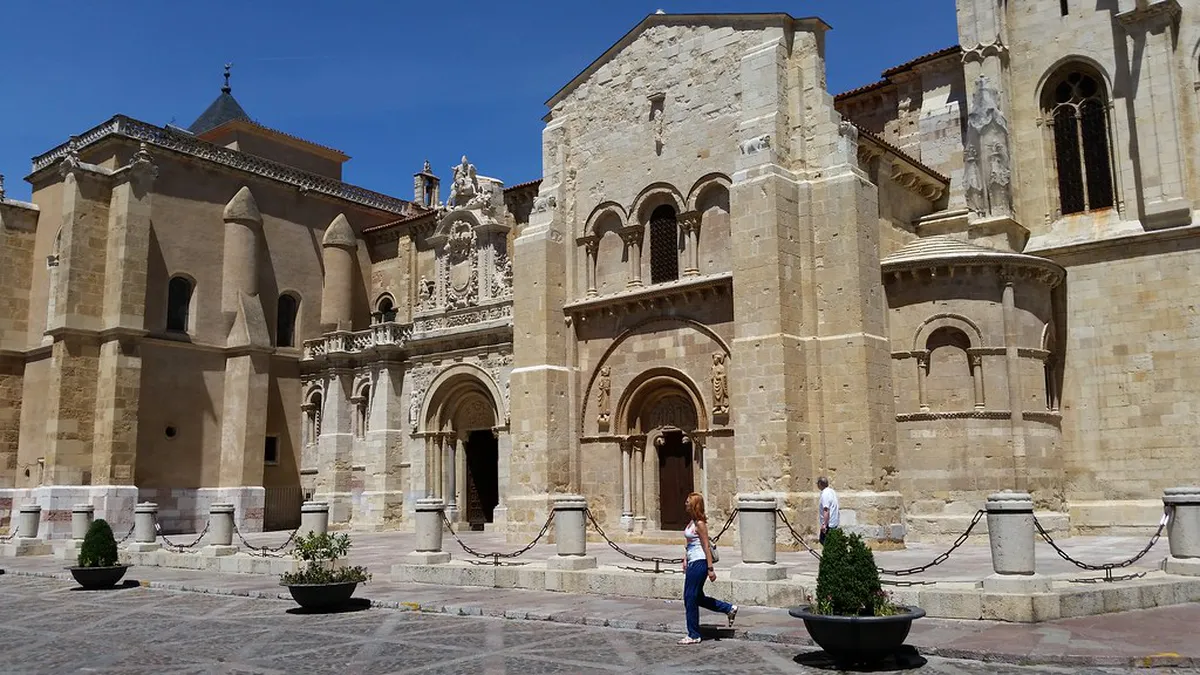
Table of Contents
Discovering Romanesque Architecture in Santiago
Santiago de Compostela is a city steeped in history. Pilgrims from across Europe have journeyed here for centuries. This rich past is beautifully reflected in its stunning Romanesque architecture. It draws visitors seeking spiritual and artistic inspiration.
This guide will explore the magnificent Romanesque architecture Santiago offers. You will discover its key features and significant structures. Prepare for an architectural journey unlike any other in 2025. Discover more about Santiago de Compostela's architectural wonders.
Unveiling Santiago's Romanesque Masterpiece: The Cathedral
The Cathedral of Santiago de Compostela stands as a paramount example. It is the finest representation of Romanesque architecture in Santiago. Construction began in 1075 under King Alfonso VI. It became the final destination for the Camino de Santiago pilgrims.
Originally, the entire Cathedral followed the Romanesque style. Its massive stone walls and round arches define its early form. The interior naves showcase impressive barrel vaults. These elements highlight the engineering prowess of the era. Explore the Cathedral's intricate architecture further.
The Portico de la Gloria is a true Romanesque masterpiece. Master Mateo completed this monumental work in the 12th century. It features incredible sculptures depicting biblical scenes. Visitors can truly appreciate its detailed artistry. Consider booking a tour of the Portico de la Gloria for an in-depth experience.
While later additions exist, the core Romanesque structure remains. This includes much of the transept and ambulatory. Look for the distinct Romanesque carvings on its older facades. They tell stories of saints and medieval life.
Key Features of Santiago's Romanesque Style
Identifying Romanesque architecture in Santiago is straightforward. Look for several distinct characteristics. Thick walls and small, rounded arch windows are typical. These features provided structural stability and defense. They also created a sense of solemnity inside.
Barrel vaults and groin vaults are common roof structures. These heavy stone roofs required substantial support. Piers and columns often have elaborate capitals. They are frequently adorned with biblical or mythological figures. Learn more about identifying Romanesque features.
Sculptural decoration is a hallmark of Romanesque art. It often appears on portals, tympana, and column capitals. These carvings served as visual sermons for illiterate pilgrims. They conveyed complex religious narratives clearly. The detailed stone carvings and masonry are truly remarkable.
The overall impression is one of solidity and grandeur. Romanesque buildings feel grounded and imposing. Their design reflects the spiritual fervor of the High Middle Ages. This architectural style truly defines the ancient city.
Beyond the Cathedral: Other Romanesque Gems
Santiago de Compostela offers more Romanesque treasures than just the Cathedral. The Colegiata de Santa María la Real de Sar is another prime example. This former collegiate church dates back to the 12th century. It is located just outside the main city center.
The Colegiata del Sar is famous for its leaning cloisters. The columns show a distinct tilt due to subsidence over centuries. This unique feature makes it a captivating visit. Discover more about the Colegiata del Sar's architecture.
The church boasts strong Romanesque elements throughout its structure. Its interior is relatively unadorned, emphasizing structural purity. The arches and capitals are characteristic of the period. It provides a quieter reflection on Romanesque artistry.
While less overtly Romanesque, the Monasterio de San Martiño Pinario has some ancient foundations. It largely displays Baroque features today. However, understanding its roots helps appreciate architectural evolution. Seek out the less obvious examples of Romanesque design in Santiago.
Planning Your Romanesque Architecture Tour in 2025
🌟 Local Expert Tip: Get the most out of your Santiago de Compostela visit with guided tours!
Visiting Santiago to appreciate Romanesque architecture is a rewarding experience. The best time to visit is during spring or early fall. April to June or September to October offers pleasant weather. Crowds are also typically smaller than in summer.
Start your architectural exploration at the Cathedral. Allow several hours to fully absorb its grandeur. Consider taking a guided walking tour. These tours often provide deeper insights into Romanesque construction. They highlight specific details you might otherwise miss.
Don't forget to visit the Colegiata del Sar. It is easily accessible by a short walk from the city center. Entry typically costs a few euros, around 3-5 EUR in 2025. Check their official website for current opening hours before your visit. Most sites are open daily, with varied hours for religious services.
For a unique perspective, try a Cathedral rooftop tour. These tours offer breathtaking views of the city. You can also see the Cathedral's exterior Romanesque elements up close. Booking in advance is highly recommended, especially during peak season.
Frequently Asked Questions
What are the primary characteristics of Romanesque architecture in Santiago?
Romanesque architecture in Santiago features thick stone walls. It uses sturdy piers and columns for support. Round arches are common over doors and windows. Barrel vaults often form the roof structure. Sculptural decoration enriches portals and capitals, telling biblical stories. These features give structures a solid, imposing appearance. For more details, explore how to identify Romanesque features.
Can visitors see original Romanesque art inside Santiago Cathedral?
Yes, visitors can absolutely see original Romanesque art inside. The most famous example is the Portico de la Gloria. This incredible sculptural ensemble is Master Mateo's work. It graces the main entrance to the Cathedral's naves. Its vibrant colors have been restored, revealing stunning details. Many early parts of the Cathedral de Santiago also retain Romanesque elements.
What other Romanesque buildings should I visit besides the Cathedral?
Beyond the Cathedral, the Colegiata de Santa María la Real de Sar is a must-see. It showcases impressive Romanesque features, including leaning cloisters. This 12th-century collegiate church provides a fascinating experience. It offers a quieter, more intimate encounter with Santiago's Romanesque heritage. For more examples, see the best examples of Romanesque architecture in the city.
Santiago de Compostela truly offers a captivating journey through time. Its magnificent Romanesque architecture stands as a testament to its enduring legacy. From the grandeur of the Cathedral to the unique Colegiata del Sar, history comes alive. Plan your visit for 2025 and immerse yourself in this ancient beauty.
Understanding Romanesque architecture enhances your appreciation. It reveals the layers of history within this sacred city. Start your architectural adventure today. Find more travel inspiration at Architect Tourist for your next Spanish adventure.
Key Takeaways
- The Santiago Cathedral is the prime example of Romanesque architecture, notably the Portico de la Gloria.
- Look for thick walls, round arches, barrel vaults, and intricate stone carvings to identify Romanesque style.
- Don't miss the Colegiata del Sar for another authentic and unique Romanesque experience.