
Cathedral Obradoiro Facade: Santiago's Iconic Guide
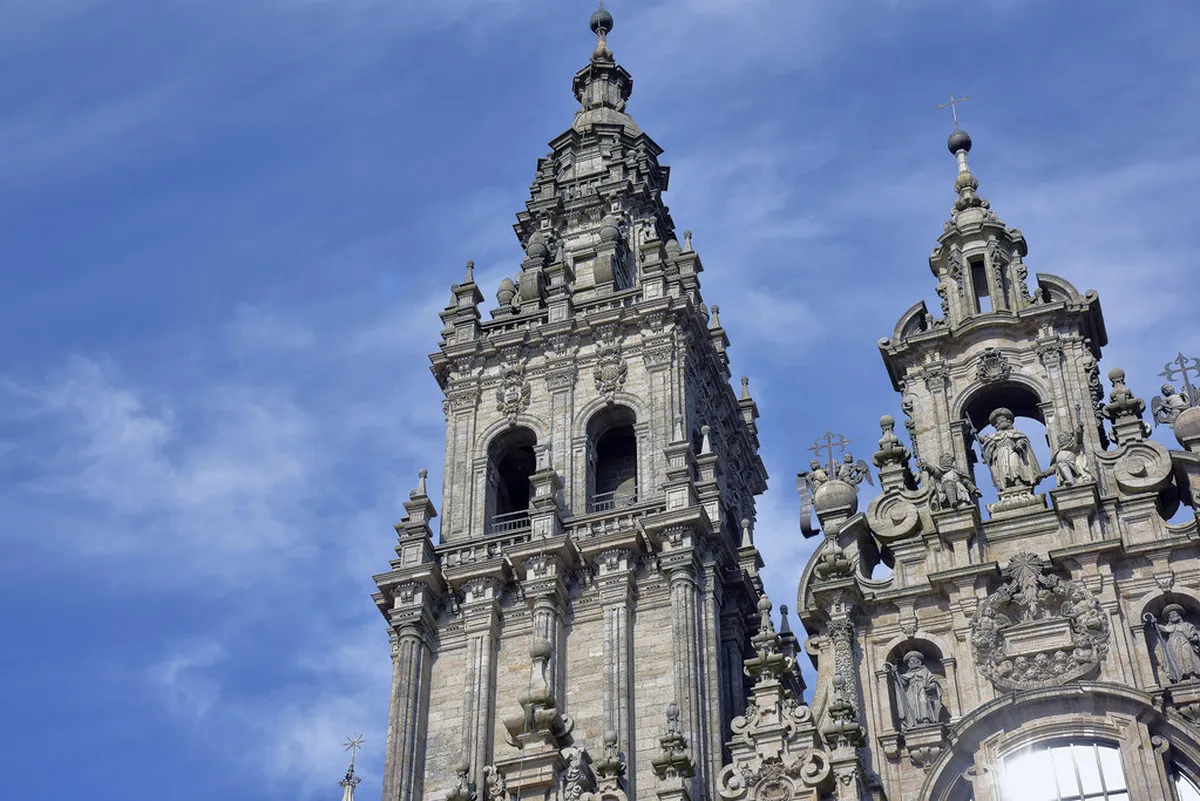
Table of Contents
A Complete Guide to Santiago's Grand Obradoiro Facade
Santiago de Compostela's Cathedral stands as a beacon for pilgrims. Its stunning Obradoiro Facade welcomes countless visitors each year. This guide uncovers its rich history and architectural brilliance. You will discover why this facade is so celebrated.
The Cathedral Obradoiro Facade represents more than just a grand entrance. It is a masterpiece of Galician Baroque art. Understanding its details enhances your visit to this sacred site. Prepare to be amazed by its intricate design and profound symbolism.
This iconic structure faces the famous Praza do Obradoiro. It forms the heart of Santiago de Compostela's historic center. Explore the architecture of Santiago de Compostela with this detailed guide.
The Obradoiro Facade: A Historical Overview
The original Romanesque facade of Santiago Cathedral needed protection. Harsh Galician weather caused significant damage over centuries. This led to the creation of the current Baroque masterpiece. Construction began in the 17th century.
Architect José de Vega y Verdugo first proposed a protective screen. This idea evolved into a full-fledged redesign. Domingo de Andrade initiated some early Baroque additions. These preliminary works laid the foundation for the grand facade.
The bulk of the work, however, occurred in the 18th century. Fernando de Casas Novoa was the master architect for this phase. He transformed the facade into its current form. The project aimed to monumentalize the cathedral's main entrance.
This new facade provided essential structural support. It also created a dramatic visual impact. It became an enduring symbol for the entire city. Learn more about the Cathedral de Santiago's architecture.
Baroque Grandeur: Architectural Details Explained
The Obradoiro Facade exemplifies the Galician Baroque style. Its intricate design features a wealth of decorative elements. You will notice undulating lines and dynamic sculptural groups. These details create a sense of movement and drama.
Two tall bell towers frame the central body. These towers, known as the Torre das Campás and Torre da Carraca, dominate the skyline. The central part showcases the figure of Saint James the Apostle. He stands triumphantly above the main entrance.
Numerous columns and pilasters add to the facade's verticality. Niches hold statues of kings and other saints. Look for the star of Compostela and scallop shell motifs. These symbols highlight the cathedral's pilgrimage significance. Consider a deeper dive into Galician Baroque style for more insights.
The famous stairway leads up to the facade. It features an impressive double ramp. This unique design adds to the grandeur. It also enhances the overall theatrical effect of the entrance. This stairway allows pilgrims to approach the sacred space respectfully.
The facade also features a large window above the main door. This window illuminates the Portico de la Gloria from within. The harmonious blend of stone, sculpture, and light is truly breathtaking. Every detail tells a story of faith and artistry.
Master Architects Behind the Obradoiro Facade
The design of the Cathedral Obradoiro Facade involved several talented individuals. Domingo de Andrade made significant early contributions. He was a key figure in the transition towards Baroque architecture in Galicia. His work set the stage.
However, Fernando de Casas Novoa is primarily credited for its current form. He took over the project in the 18th century. His vision brought the facade to its magnificent completion. His genius shaped this iconic landmark.
Casas Novoa completed the towers and the central body. He masterfully integrated existing elements with new Baroque flourishes. His design perfectly balances monumentality and intricate decoration. This achievement cemented his legacy.
His work on the Obradoiro Facade showcases his profound skill. It is an enduring testament to his architectural prowess. Explore more about Fernando de Casas Novoa and his impact.
Symbolism and Pilgrim Connections
💡 Pro Tip: Book your Santiago de Compostela adventures in advance through Viator for the best deals!
Every element of the Obradoiro Facade holds deep meaning. The central figure of Saint James the Apostle is paramount. He is depicted as a pilgrim, a warrior, and a spiritual guide. This represents the journey and destiny of pilgrims.
The facade also displays royal figures. These statues symbolize the support of Spanish monarchs. Their patronage was crucial for the cathedral's construction and expansion. This blend of religious and royal imagery is common.
Look closely for the omnipresent scallop shells. These are universal symbols of the Camino de Santiago. They mark the path for pilgrims and signify their journey. The star of Compostela also guides travelers towards this holy city.
The entire facade serves as a monumental welcome. It acknowledges the arduous journey of pilgrims. It offers a promise of spiritual fulfillment upon arrival. This deep connection to the pilgrimage shapes its powerful design. Discover the pilgrimage influence on Santiago's architecture.
Visiting the Obradoiro Facade: Tips for 2025
The Obradoiro Facade stands proudly in Praza do Obradoiro. This plaza is always accessible, day and night. There is no direct cost to view the exterior facade. Access to the plaza is completely free for everyone.
For the best photos, visit early in the morning. The soft light highlights the intricate details beautifully. Late afternoon also offers stunning golden hour views. Avoid midday crowds for a more peaceful experience.
Consider joining a guided tour of the Cathedral complex. These tours often provide insightful commentary on the facade. They can enhance your understanding of its history. Check tour availability and book in advance for 2025.
Don't forget to look at the other buildings in the plaza. The Hostal dos Reis Católicos directly faces the facade. The Pazo de Raxoi also adds to the plaza's grandeur. These structures create a harmonious architectural ensemble. You can explore other Praza do Obradoiro buildings for more context.
While the facade itself is free, entering the Cathedral interior has varying costs. Access to the main nave is typically free during service hours. However, the museum and other areas usually require a ticket. Check the official Cathedral website for current prices.
Frequently Asked Questions
What is the Cathedral Obradoiro Facade?
The Cathedral Obradoiro Facade is the main western facade of Santiago de Compostela Cathedral. It is a prime example of Galician Baroque architecture. It faces the Praza do Obradoiro. This facade protects the original Romanesque Portico de la Gloria.
Who designed the iconic Obradoiro Facade?
Fernando de Casas Novoa is the principal architect credited for the current Obradoiro Facade. His work primarily occurred in the 18th century. Domingo de Andrade made earlier contributions. Both architects were crucial in its development.
Why was the Obradoiro Facade constructed?
The Obradoiro Facade was built for two main reasons. Firstly, it protects the delicate Romanesque Portico de la Gloria from harsh weather. Secondly, it created a grand, monumental entrance. This architectural statement reflected the cathedral's importance. It provides a glorious welcome to pilgrims. Learn more about the facade's design history.
What architectural style defines the Obradoiro Facade?
The Obradoiro Facade is a quintessential example of the Galician Baroque style. It features ornate decoration, dynamic lines, and dramatic sculptural elements. This style is distinct from more austere Spanish Baroque forms. It reflects local artistic traditions.
Can visitors enter the Cathedral through the Obradoiro Facade?
Traditionally, pilgrims entered through the Obradoiro Facade. Today, this entrance is generally closed to regular visitors. You usually enter through the side doors. These include the doors in Praza das Praterías or Praza da Quintana. The main facade is primarily for viewing and ceremonial occasions.
The Cathedral Obradoiro Facade is a true architectural marvel. It embodies centuries of history and artistic ambition. Its intricate Baroque details tell a powerful story of faith. This facade remains a highlight for all visitors in 2025.
Take time to appreciate its grandeur and symbolism during your visit. It offers a profound welcome to Santiago de Compostela. Plan your trip to witness this incredible masterpiece. For more detailed information, explore Santiago Cathedral's full architectural guide.
Key Takeaways
- The Obradoiro Facade protects the Portico de la Gloria.
- Fernando de Casas Novoa was its main architect in the 18th century.
- It showcases the distinctive Galician Baroque style.
- The facade is rich in symbolism for pilgrims, including Saint James.
- Visit in the early morning or late afternoon for the best viewing.