
Pazo de Fonseca History: A Santiago Architectural Gem
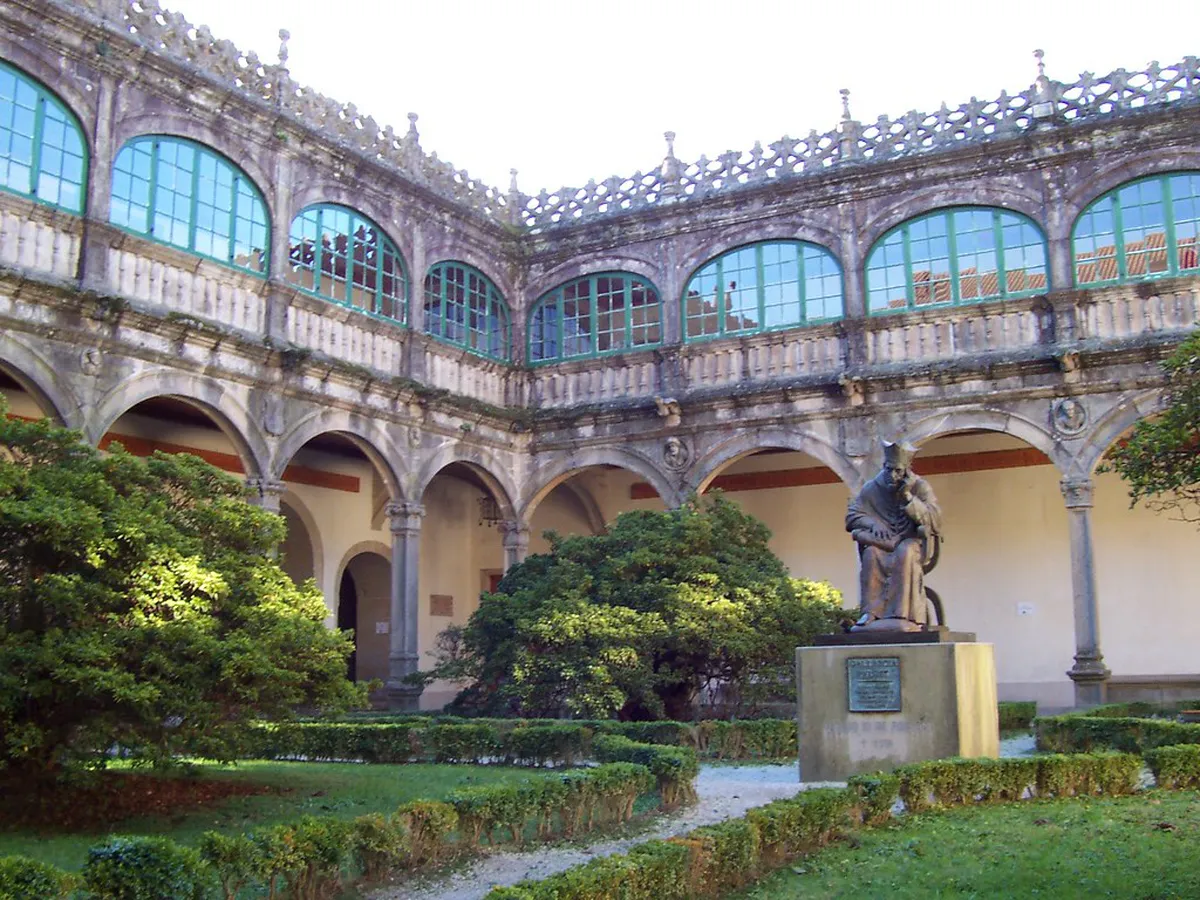
Table of Contents
Uncovering the Pazo de Fonseca's Rich History in 2025
Santiago de Compostela holds many historic treasures. One such marvel is the Pazo de Fonseca. Understanding the Pazo de Fonseca history reveals much about the city. It stands as a significant landmark in the old town. This article explores its rich past and architectural beauty. You will learn about its evolution over centuries.
This magnificent building dates back to the 16th century. It offers a glimpse into Santiago's academic heritage. Discover its original purpose and current use. Explore more about Santiago de Compostela's architecture. The Pazo de Fonseca is a must-see for history lovers.
Origins and Early History of Pazo de Fonseca
The Pazo de Fonseca began its life in the early 16th century. Archbishop Alonso de Fonseca y Ulloa founded it. He established it as a college for the University of Santiago. Its initial name was Colegio de Santiago Alfeo. This college aimed to train students in various disciplines.
Construction started around 1529 and continued for decades. The project involved several notable architects. They shaped its distinct Renaissance style. This early period laid the foundation for its enduring legacy. The Pazo quickly became a center of learning.
The Fonseca family played a crucial role. They ensured the college's stability and growth. Their patronage helped establish a strong academic tradition. This commitment shaped the Pazo de Fonseca history significantly. It served as a beacon of education.
Initially, it hosted students from diverse backgrounds. The college focused on theology and arts. This educational mission continued for centuries. It remains an integral part of University of Santiago architecture. Its early days define its historical importance.
Architectural Evolution: Renaissance & Beyond
The Pazo de Fonseca showcases stunning Renaissance architecture. Its design reflects the period's classical influences. The main facade presents a sober, elegant appearance. You can admire its grand entrance archway. This design stands out among Santiago's buildings.
Over time, the Pazo saw various modifications. Some Baroque elements were later incorporated. These additions blended seamlessly with the original design. They enhanced the building's overall grandeur. Renaissance elements of the Pazo de Fonseca are prominent. The central cloister is a prime example.
The cloister features elegant arcades. These arcades provide a peaceful inner courtyard. They are perfect for quiet reflection. The stone carvings reveal intricate craftsmanship. Each detail tells a story of its construction. The Pazo represents architectural excellence.
Later interventions ensured the building's preservation. These efforts maintained its historical integrity. The Pazo remains a fine example of its era's design principles. Its evolution mirrors Santiago's architectural development. Explore Santiago’s rich urban planning history.
The Pazo's Enduring Role in University Life
For centuries, the Pazo de Fonseca served the university. It housed students and professors. This central role continued without interruption. It was a place of intense intellectual activity. The Pazo fostered generations of scholars.
Today, the Pazo de Fonseca maintains its academic link. It houses the General Library of the University. This library is a treasure trove of knowledge. It contains vast collections of books and manuscripts. Students and researchers use it daily.
The building also hosts important university events. These include conferences, exhibitions, and ceremonies. It acts as a vibrant cultural hub. Its historic walls still resonate with learning. This makes it a living piece of university heritage.
Visitors can appreciate its ongoing academic function. It bridges the past with the present. The Pazo's commitment to education endures. It stands as a testament to Santiago's scholarly traditions. Discover more about its academic contributions through its library inside Pazo de Fonseca.
Key Architectural Features to Admire
🌟 Local Expert Tip: Get the most out of your Santiago de Compostela visit with guided tours!
The Pazo de Fonseca offers many architectural highlights. Its main entrance features a grand arch. Above it, you will see the Fonseca coat of arms. This emblem signifies its founder's legacy. It's a key detail to notice.
The central courtyard or cloister is truly magnificent. It boasts two levels of arcades. Each arch is supported by elegant columns. These design elements create a harmonious space. The cloister provides a serene atmosphere. You can often see students studying there.
Inside, the chapel is another notable feature. Though simple, it reflects the Pazo's religious origins. It offers a moment of quiet contemplation. Pay attention to the intricate details. They tell stories of master stonemasons. Stone carvings and masonry are exceptional here.
The building's robust stone construction is characteristic of Galicia. Its thick walls and solid structure convey strength. These features have ensured its longevity. The Pazo de Fonseca stands proudly in the city. It is a vital part of the Praza do Obradoiro buildings area.
Visiting Pazo de Fonseca Today: Library & Exhibitions
Planning a visit to the Pazo de Fonseca in 2025 is easy. It is located in Santiago's historic center. The address is Rúa de Fonseca, s/n. It is just a short walk from the Cathedral. Many explore its public areas freely.
The main attraction for visitors is the General Library. You can often enter and view its grand halls. Check current opening hours before your visit. Typically, it operates during university terms. Access to the historic reading rooms might be limited to researchers.
The Pazo also hosts various temporary exhibitions. These often highlight Galician culture or university history. Check the University of Santiago's website for schedules. Entry to these exhibitions is sometimes free. It provides a deeper insight into local heritage.
Consider joining a Santiago architecture walking tour. These tours often include the Pazo de Fonseca. They offer expert commentary on its history and design. Allow about 30-60 minutes to explore this beautiful Pazo. There is no direct entrance fee for general viewing.
Frequently Asked Questions
💡 Pro Tip: Book your Santiago de Compostela adventures in advance through Viator for the best deals!
What was the Pazo de Fonseca's original purpose?
The Pazo de Fonseca was originally founded as a university college. Archbishop Alonso de Fonseca y Ulloa established it. Its purpose was to provide education in arts and theology. It served students of the University of Santiago. This mission began in the early 16th century.
Can I visit the Pazo de Fonseca library today?
Yes, you can visit the General Library of the University, located inside. Access is often available during university operating hours. Visiting the library inside Pazo de Fonseca is a highlight. Check the official university website for updated schedules in 2025.
What architectural style defines the Pazo de Fonseca?
The Pazo de Fonseca is primarily a Renaissance-style building. It features classical elements and sober lines. Some later additions incorporate Baroque influences. These blend harmoniously with its original design. It represents a beautiful example of its period's architecture.
Where is the Pazo de Fonseca located in Santiago?
The Pazo de Fonseca is centrally located in Santiago de Compostela. It sits within the historic old town. You can find it near the Cathedral. Its proximity makes it easy to include in any architectural gems tour. It is easily accessible on foot.
The Pazo de Fonseca stands as a testament to Santiago's enduring history. Its rich past as a college shapes its identity. The stunning Renaissance architecture continues to captivate visitors. It perfectly blends academic tradition with artistic beauty. This building remains a vital part of the city's cultural fabric.
Visiting the Pazo offers a unique glimpse into the past. It showcases the architectural evolution of Santiago. Remember to explore its grand library and cloister. Plan your trip to discover this historic gem. For more insights into the region, visit Architect Tourist.
Key Takeaways
🎯 Insider Tip: Discover the best Santiago de Compostela experiences with Viator Tours!
- Pazo de Fonseca was founded in the 16th century by Archbishop Fonseca as a university college.
- The building features significant Renaissance architecture, with some later Baroque additions.
- It currently houses the General Library of the University of Santiago and hosts exhibitions.
- Visitors can explore its historic courtyard and library during opening hours in 2025.
- The Pazo is a crucial site for understanding Santiago de Compostela's academic and architectural history.