
Discover Plaza Porticada Santander's Architecture
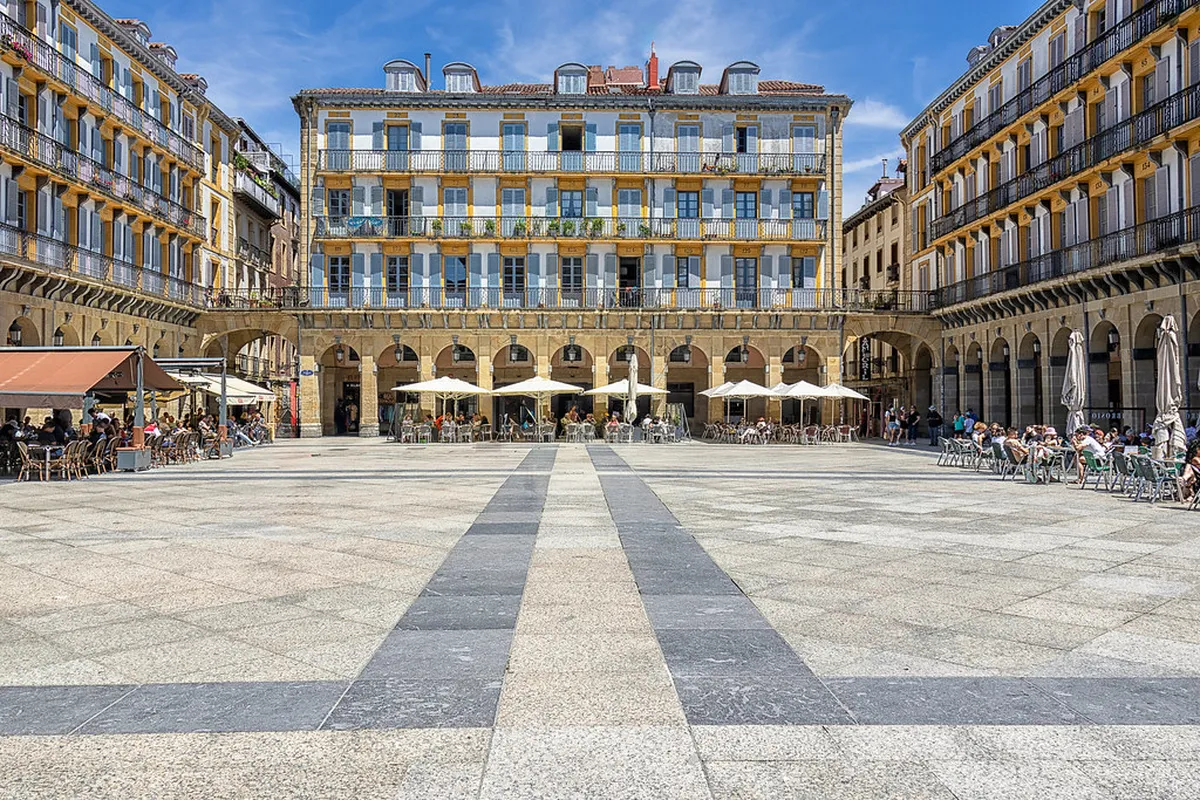
Table of Contents
The Enduring Architectural Significance of Plaza Porticada
Plaza Porticada Santander stands as a powerful symbol of resilience. This iconic square emerged from the ashes of a devastating 1941 fire. Its architectural significance deeply ties into the city's rebirth. Visitors can admire its grand neoclassical design, a testament to careful urban planning. Dive into the history of Santander's architecture through this remarkable plaza.
Santander's Rebirth: The 1941 Fire's Impact
A catastrophic fire swept through Santander in 1941. This blaze destroyed a significant portion of the city center. Homes, businesses, and historic structures were lost. The city faced an immense challenge of reconstruction.
This disaster prompted a bold vision for rebuilding. City planners sought to create a modern, functional urban core. Plaza Porticada became central to this ambitious project. It was designed to serve as Santander's new civic heart.
The plaza symbolized hope and a fresh start for the community. Its development addressed the urgent need for a cohesive urban space. The rebuilding efforts showcased a spirit of determination. Learn more about post-fire Santander architecture.
The reconstruction aimed for both beauty and utility. New administrative buildings flanked the square. This area provided essential services to citizens. The project transformed the historic districts of Santander, setting a new urban standard.
Neoclassical Grandeur: Plaza Porticada's Design
Plaza Porticada embraces a distinct neoclassical style. This design choice emphasizes order, symmetry, and monumentality. Its uniform facades create a harmonious visual experience. The continuous arcades provide shelter and elegance.
Architects Manuel Casanueva and José Luis Prieto Bances spearheaded the design. They envisioned a grand public space. Their plan reflected classical principles of urban aesthetics. The result is a truly impressive and unified square.
The buildings feature robust stone construction. Large columns and pilasters adorn the facades. These elements contribute to its imposing appearance. The design evokes a sense of timeless dignity. Explore other neoclassical buildings in Santander.
Each building around the plaza shares common architectural features. This uniformity was a deliberate choice. It created a powerful, unified urban statement. Discover the impact of famous Santander architects on the city's identity through this work. The thoughtful details enhance the plaza's overall grandeur.
Urban Planning and Civic Identity
Plaza Porticada was more than just a beautiful square. It represented a crucial piece of Santander's urban planning. Its strategic location linked important civic buildings. This central hub fostered a new sense of community.
The plaza was designed to accommodate various public functions. It provides space for gatherings and celebrations. Its arcades offer shaded walkways for pedestrians. This thoughtful design prioritized public comfort and interaction.
The careful layout reflected contemporary urban design ideas for 2025. It demonstrated a commitment to organized city development. The plaza helped define Santander's post-fire identity. Understanding Santander's urban planning is key to appreciating this.
It successfully combined aesthetic appeal with practical functionality. This blend made it a successful example of post-war reconstruction. The Plaza exemplifies the Plaza Porticada's role in post-fire reconstruction efforts. It remains a focal point for city life.
Plaza Porticada Santander: A Lasting Legacy
🎯 Insider Tip: Discover the best Santander experiences with Viator Tours!
Plaza Porticada Santander continues to be a vital landmark. It stands as a testament to the city's enduring spirit. Its grand architecture captivates all who visit. The plaza represents a triumph over adversity.
Today, the square serves as a vibrant public space. Locals and tourists alike enjoy its atmosphere. It hosts markets, concerts, and cultural events. The neoclassical design provides a stunning backdrop for these activities.
The plaza's architectural integrity has been carefully preserved. Its uniform buildings maintain their original splendor. This commitment ensures its historical value remains strong. Visitors can join Santander architecture walks to appreciate its intricate details. This allows for a deeper understanding of its importance.
Frequently Asked Questions
What makes Plaza Porticada Santander architecturally unique?
Plaza Porticada's uniqueness stems from its uniform neoclassical style. It features continuous arcades and grand facades. This cohesion was a deliberate choice for post-fire rebuilding. It embodies Santander's architectural resilience.
Who were the main architects behind Plaza Porticada's design?
Manuel Casanueva and José Luis Prieto Bances were the principal architects. They designed the plaza following the 1941 fire. Their vision created its distinct neoclassical character. This work shaped modern Santander's urban fabric.
Can visitors explore the buildings around Plaza Porticada?
Yes, visitors can walk through the arcades and enjoy the surrounding area. Many buildings house shops, cafes, and offices. The exterior architecture is freely accessible. Santander's preserved historic buildings like the Plaza offer a window into the past. Experience its beauty firsthand.
Plaza Porticada in Santander holds immense architectural significance. It symbolizes the city's resilience and rebirth after the 1941 fire. Its neoclassical grandeur and thoughtful urban planning offer a compelling story. This iconic square is a must-see for architecture enthusiasts. Plan your trip to explore Plaza Porticada Santander and its rich history.
Key Takeaways
- Plaza Porticada represents Santander's post-1941 fire reconstruction.
- Its neoclassical design provides a grand, uniform urban space.
- The plaza is a vital center for civic life and cultural events.