
Plaza Porticada: Santander's Post-Fire Reconstruction
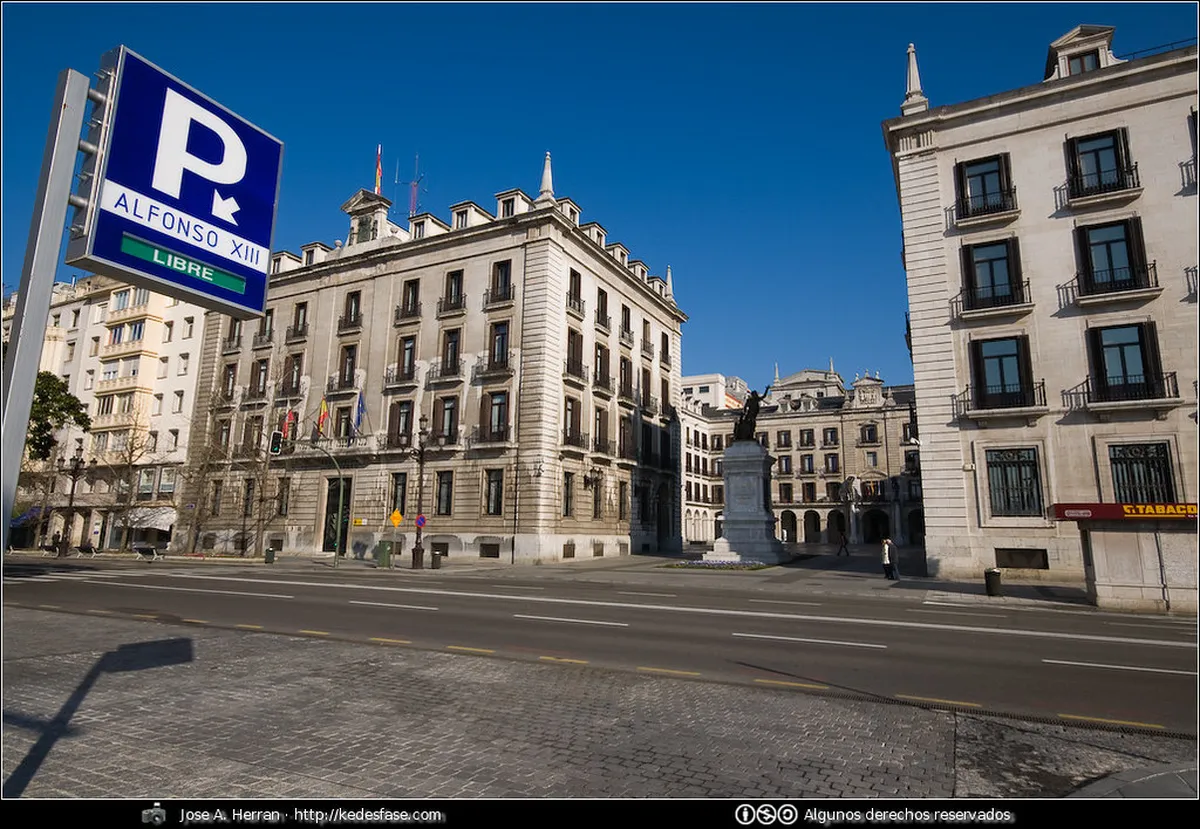
Table of Contents
Plaza Porticada: Santander's Post-Fire Reconstruction Icon
Santander experienced a catastrophic fire in February 1941. This devastating event reshaped much of its historic city center. The city needed a powerful symbol of recovery and renewal. The Plaza Porticada emerged as a central piece of this ambitious plan. It played a crucial role in Santander's post-fire reconstruction, defining its new identity. Discover more about Santander's architecture on your next visit.
The Devastating 1941 Santander Fire
A relentless fire ravaged Santander for two days in 1941. Strong southerly winds fueled the inferno mercilessly. It destroyed the heart of the old city. Many historical buildings, including the medieval quarter, were lost forever.
This disaster left thousands homeless and devastated the local economy. The city faced an immense challenge. Rebuilding was not just about structures. It involved restoring hope and a sense of community. The Great Fire reshaped Santander's future profoundly. Explore Santander's historic districts to understand its past.
The central business district suffered heavily. Streets like Calle del Medio vanished completely. This catastrophic loss prompted a complete rethink of urban planning. Santander needed a modern and resilient design. This tragedy set the stage for monumental architectural changes in the city.
A New Vision: The Plaza Porticada and Urban Planning
The Plaza Porticada role in post-fire reconstruction was paramount. Architects Gonzalo Bringas, José Luis Sánchez, and Ramiro Bustamante led the project. They envisioned a grand, monumental square. This square would become the city's new administrative and commercial heart.
The planning integrated modern urban concepts for 2025 standards. It aimed to create wider streets and more open spaces. This improved accessibility and safety significantly. The plaza connected directly to important areas. These included the bustling Paseo de Pereda and the new financial district. This thoughtful urban planning was key.
The neoclassical style was chosen for its grandeur and order. It presented a unified and dignified image for Santander. This decision marked a clear break from the past. The Plaza Porticada symbolized a fresh start for the devastated city. Learn more about Santander's urban planning history.
Architectural Design and Symbolic Features
The Plaza Porticada features elegant, uniform facades. These facades are built from durable stone. The iconic arcades offer shelter and define the square's perimeter. This consistent design provides a sense of harmony and scale. It contrasts sharply with the narrow, winding streets of the old city.
The plaza became home to key institutions. The Civil Government building is one example. The Banco de Santander building also flanks the square. These structures reinforce its status. They made it the true civic center of the new Santander. This design choice solidified its importance.
Its strategic location and open design facilitate public gatherings. It is a space for both daily life and civic events. The architectural significance of Plaza Porticada lies in its dual function. It serves as a functional urban space and a powerful symbol. Its presence continues to shape city life today.
A Legacy of Resilience and Modern Identity
🎯 Insider Tip: Discover the best Santander experiences with Viator Tours!
The Plaza Porticada stands as a testament to Santander's resilience. It represents the city's ability to rebuild after tragedy. The reconstruction effort was a monumental undertaking. It brought together architects, planners, and the community. Their collective vision shaped modern Santander.
Today, the plaza is a vibrant hub. It is a place where history meets contemporary life. Visitors and locals enjoy its open spaces. They appreciate its stately architecture. The square is a reminder of the transformative power of design. It showcases how a city can reinvent itself.
The influence of Plaza Porticada extends beyond its physical presence. It shaped the architectural character of the surrounding area. Many nearby buildings adopted similar styles. It became a model for the new Santander city center. This iconic landmark continues to inspire. It reinforces the city's strong identity.
Frequently Asked Questions
What caused the Great Fire of Santander in 1941?
The Great Fire of Santander in 1941 began accidentally. A chimney fire sparked in Calle de Cádiz. Extremely strong southerly winds then fanned the flames. These high winds spread the fire rapidly. The dry weather conditions also contributed to its quick expansion. This led to widespread devastation. Learn more about the post-fire architecture in Santander.
Who designed the Plaza Porticada during the reconstruction?
The Plaza Porticada was a collaborative design effort. Architects Gonzalo Bringas, José Luis Sánchez, and Ramiro Bustamante were key. They worked together on this significant urban project. Their vision defined the new city center. They are considered among Santander's famous architects. Their work left a lasting impact.
What is the architectural style of Plaza Porticada?
The Plaza Porticada showcases a distinctive neoclassical architectural style. This style is characterized by grandeur and symmetry. It features uniform facades and prominent arcades. This choice reflected a desire for order and dignity. It created a timeless and elegant public space. Discover other neoclassical buildings in Santander.
The Plaza Porticada stands as a powerful emblem of resilience. It symbolizes Santander's incredible post-fire reconstruction. Its neoclassical design provided a unified vision. The plaza serves as both a functional and symbolic heart. It continues to be a vibrant center for the city. Plan your visit to explore this iconic landmark and its history. Consider taking one of the Santander architecture walks. Appreciate its enduring legacy firsthand.
Key Takeaways
- The 1941 fire devastated Santander's historic center, prompting a full urban redesign.
- Plaza Porticada was central to the reconstruction, providing a new administrative and commercial hub.
- Its neoclassical design symbolizes order, resilience, and a unified vision for modern Santander.
- Architects Gonzalo Bringas, José Luis Sánchez, and Ramiro Bustamante led the influential project.
- The plaza remains a vibrant public space and a testament to the city's rebirth and forward planning.