
Discover Gothic Architecture in Santander
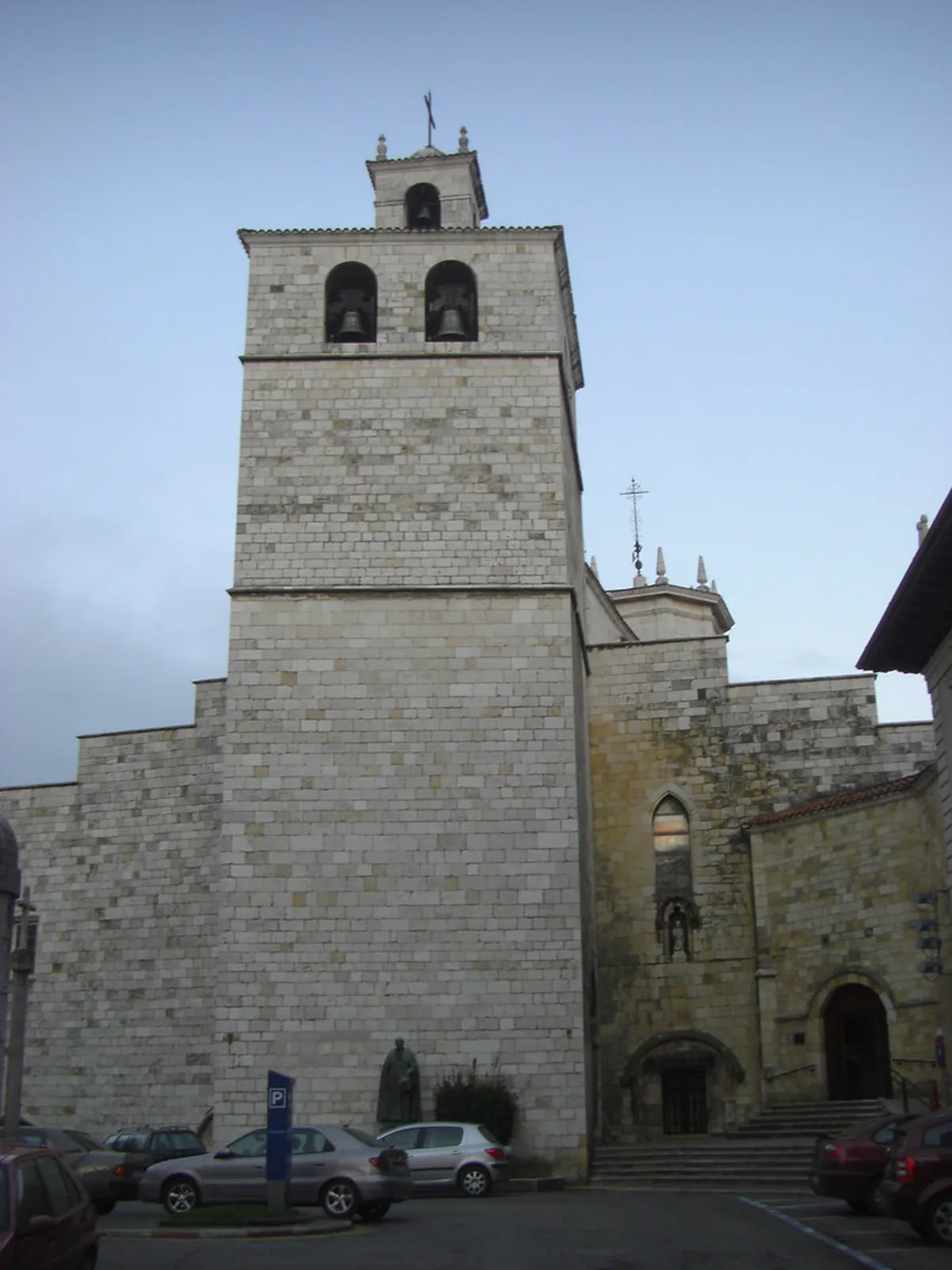
Table of Contents
Uncovering Gothic Architecture in Santander's History
Santander, Spain, is famous for its elegant Belle Époque buildings. Many visitors seek out its stunning coastal views. However, a deeper history exists for curious travelers. You can find unique examples of Gothic architecture Santander. This style tells a story of medieval times.
The Great Fire of 1941 sadly destroyed much of the city's past. Yet, some treasures still remain. These resilient structures offer a fascinating glimpse. Let's explore these fascinating structures together. Explore Santander's full architectural guide today.
The Enduring Features of Gothic Architecture in Santander
Gothic architecture emerged in Europe during the Middle Ages. It is known for its distinct features. These include pointed arches and ribbed vaults. Flying buttresses provided structural support. Large stained-glass windows illuminated interiors.
Santander's Gothic examples showcase these elements. However, they appear less ornate than in other Spanish cities. The region’s Gothic architecture Santander developed uniquely. It adapted to local materials and needs. Learn more about key features of Santander's Gothic buildings.
The city's history significantly impacted its buildings. The devastating 1941 fire reshaped Santander. Many ancient structures were lost forever. This event makes surviving Gothic elements especially precious. They offer a rare glimpse into the past. The fire completely changed the urban landscape.
Understanding this history enriches your visit. You appreciate the resilience of the city. Santander rebuilt itself beautifully. Yet, it preserved remnants of its medieval heritage. Consider a Santander architecture walk to see these details. You can trace its past through surviving structures.
The blend of recovery and preservation is remarkable. Travelers seeking genuine history will find it here. These architectural details tell a story. They speak of time, destruction, and rebirth. Plan your 2025 visit to uncover these layers. It's a journey through time and resilience.
Santander Cathedral: A Gothic Masterpiece
The Cathedral of Santander stands as the city's main Gothic monument. It offers the most comprehensive example of Gothic architecture Santander. Its official name is Catedral de Nuestra Señora de la Asunción. Construction began in the late 12th century. It continued through the 14th century. This long building period shows diverse styles.
You will find early Gothic elements in its lower church, the "Cripta del Cristo." This ancient part features sturdy columns. The vaulted ceilings create a solemn atmosphere. It's a truly historic space. This area predates much of the upper cathedral. The crypt provides a fascinating contrast.
The upper church showcases later Gothic influences. Pointed arches define the naves. Ribbed vaults draw your eyes upward. Beautiful stained-glass windows filter light. Discover more about the Santander Cathedral's architecture. The architecture reflects centuries of devotion.
Don't miss the cloister, a tranquil space. Its delicate tracery and arcades are impressive. The cloister offers a peaceful escape. It's perfect for quiet reflection. For similar historical context, explore other preserved historic buildings in Santander.
The Cathedral opens daily for visitors. Check their official website for 2025 hours. Morning visits are often less crowded. Consider attending a mass for a full experience. This allows you to witness the building in use. Access to the crypt has specific hours. It might be closed during services. Confirm details before your trip. The main entrance is on Calle Somorrostro.
Beyond the Cathedral: Discovering Other Gothic Traces
While the Cathedral is prominent, other Gothic traces exist. These are often subtle details found around the city. The 1941 fire severely impacted Santander. Many ancient buildings were destroyed. Yet, some medieval foundations survived.
Look for remnants in the old city center. You might spot an old archway or a forgotten wall section. These small details hint at a deeper past. They reveal the city's long history. Discovering them requires a keen eye. These historical whispers are rewarding.
Some smaller churches or chapels might hold surprises. While not purely Gothic, they may incorporate early elements. These could be Romanesque transitions. Or they might show later Gothic revivals. For a deeper dive, read about finding Gothic architecture beyond the Cathedral. This guide highlights lesser-known spots.
Consider the area near the old port. This was historically a busy district. Medieval buildings once stood here. Modern structures often sit on older foundations. Keep an eye out for irregular stone work. Or look for different construction methods. This reveals layered architectural history. The port area has seen constant change.
The city's urban planning evolved over centuries. Despite modern developments, old layouts persist. These historic pathways lead to interesting spots. Some are not immediately obvious. Exploring Santander's historic districts offers more context. You might uncover unexpected architectural gems. Guided tours can also highlight these often-missed details. Book a tour for 2025. This ensures you do not miss anything.
Planning Your Gothic Architecture Exploration in 2025
💡 Pro Tip: Book your Santander adventures in advance through Viator for the best deals!
Visiting Santander for its Gothic past is rewarding. Start your architectural journey with the best of Gothic architecture Santander at the Cathedral. Allow at least two hours for a thorough visit. This includes the crypt and cloister. Wear comfortable shoes for walking around. The Cathedral offers an accessible entrance.
Next, explore the surrounding historic areas. Walk along Calle del Alta. Then wander towards the old port. Pay attention to building facades. You might find hidden details. Some buildings incorporate salvaged elements. These are remnants from older structures. The city center is very walkable.
Consider joining an architecture guided tour. Local experts can point out hidden treasures. They share historical insights. This enhances your understanding. These tours often cover various architectural styles. They offer unique perspectives. Booking in advance for 2025 is recommended.
The best time to visit Santander is spring or early autumn. The weather is pleasant. Crowds are also much smaller. This allows for comfortable exploration. Many sites operate on extended hours. Confirm opening times for 2025 visits. Some smaller sites might have limited access. Summer months bring more tourists and higher prices.
Don't forget to photograph these unique structures. The Cathedral offers many stunning angles. Capture the intricate stone carvings. Look for interesting light through stained glass. Find the best architecture photography spots. Make sure to respect all local regulations. Especially when visiting active religious sites. Remember to be mindful of worshipers.
Beyond the Gothic, Santander boasts other styles. You can see Belle Époque buildings near the waterfront. Modernist structures also dot the city. This architectural diversity is truly fascinating. It makes Santander a rich destination for enthusiasts. Enjoy your architectural adventure here.
Frequently Asked Questions
What is the most prominent example of Gothic architecture in Santander?
The most prominent example is the Santander Cathedral. It displays a blend of early and later Gothic styles. Its crypt features sturdy early Gothic elements. The upper church exhibits classic pointed arches and ribbed vaults. It stands as a testament to the city's medieval past. You can explore its full history here: Santander Cathedral architecture.
Why is Gothic architecture less common in Santander compared to other Spanish cities?
Gothic architecture is less common due to the Great Fire of 1941. This devastating event destroyed much of Santander's historic center. Many medieval buildings were lost. The city underwent significant reconstruction. Modern and Belle Époque styles now dominate. This makes the surviving Gothic elements even more special.
Are there guided tours focusing on Santander's historic buildings, including Gothic elements?
Yes, several guided tours explore Santander's architectural heritage. Some tours specifically highlight historic buildings. They often cover various periods including Gothic traces. These tours provide valuable context. They help locate subtle architectural details. Consider booking architecture guided tours for a richer experience.
What architectural features should I look for to identify Gothic elements in Santander?
When seeking Gothic elements, look for specific features. These include pointed arches, ribbed vaults, and flying buttresses. Rose windows and stained glass are also common. Delicate stone tracery is another key indicator. Even small fragments can tell a story. Read more about key features of Gothic architecture.
Santander's Gothic architecture offers a unique historical journey. While sparse, the surviving examples are deeply significant. The Cathedral stands as a powerful symbol of resilience. Discovering these medieval traces enriches any visit. Uncover the rich layers of Gothic architecture Santander. Plan your exploration of these ancient wonders. Discover the architectural layers of this beautiful Spanish city. Learn more about Santander's diverse architecture today.
Key Takeaways
- The Santander Cathedral is the city's primary Gothic architectural site.
- The 1941 Great Fire significantly reduced Santander's medieval buildings.
- Seek subtle Gothic elements in the old city center and surrounding areas.
- Guided architectural tours offer enhanced insights and help locate hidden details.