
Comparing Gothic Styles in Segovia Cathedral for 2025
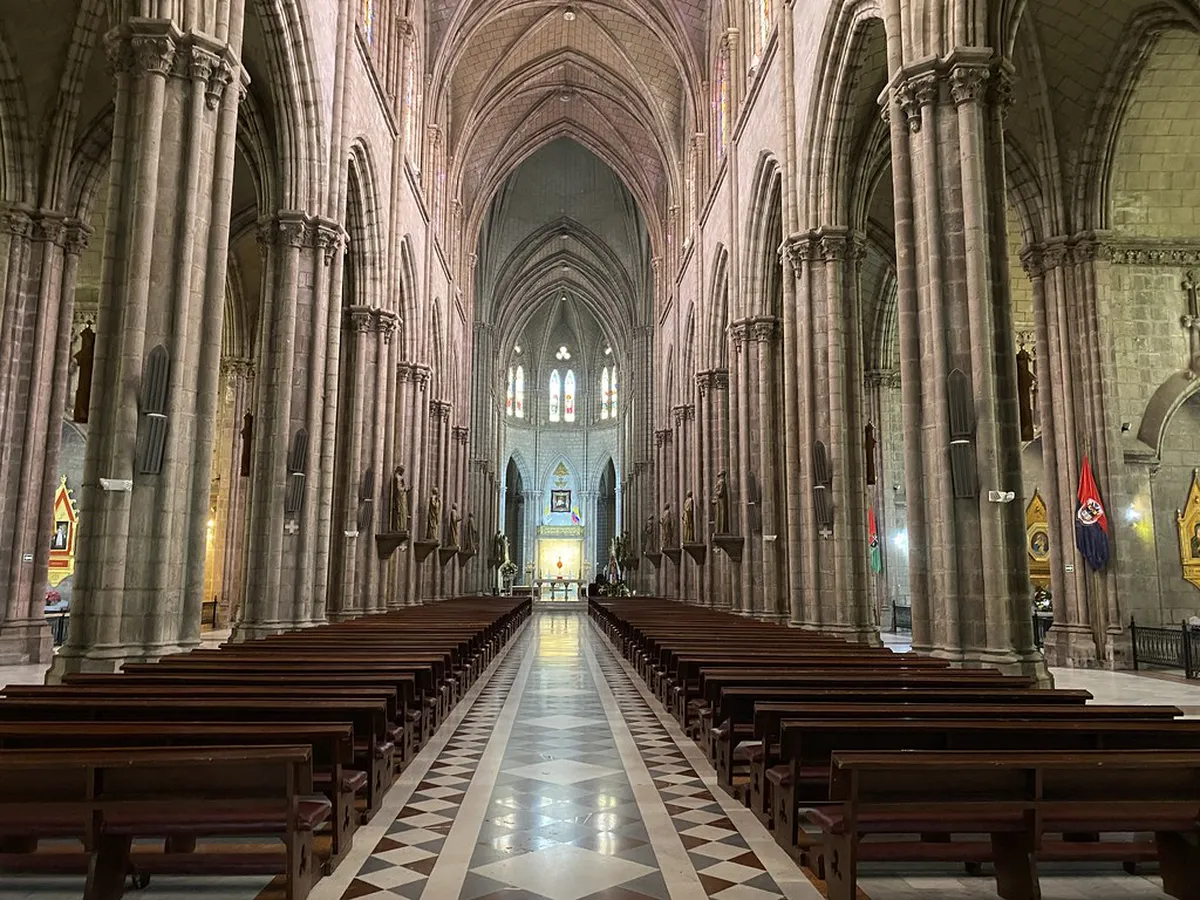
Table of Contents
Discovering Diverse Gothic Styles at Segovia Cathedral
Segovia Cathedral stands proudly as one of Spain's last great Gothic cathedrals. It offers a unique opportunity for comparing Gothic styles within one magnificent building. Built from 1525, its construction spanned over 200 years. This long period resulted in a fascinating blend of architectural elements.
Understanding its distinct features helps appreciate its grandeur. You can discover more about Segovia's rich architectural history. Explore our comprehensive Segovia architecture guide for deeper insights. This guide will focus on the Cathedral's specific Gothic characteristics.
Its location in Segovia, a UNESCO World Heritage city, adds to its charm. Prepare to marvel at its intricate details and soaring structures. Learn about other Gothic buildings in Segovia to truly grasp its uniqueness.
The Last Grand Gothic Cathedral of Spain
Segovia Cathedral earned the moniker "The Lady of the Cathedrals." Its construction began well into the 16th century, a time when Renaissance styles were gaining prominence. This late start shaped its unique architectural identity. The cathedral’s design represents the culmination of Gothic artistry in Spain.
Architects like Juan Gil de Hontañón and his son Rodrigo shaped its early design. They followed the traditional Gothic blueprint. However, they integrated elements reflecting the changing tastes of the era. This makes comparing Gothic styles here especially interesting.
The previous cathedral, Santa María, was destroyed during the Comuneros Revolt. This unfortunate event led to the construction of the current masterpiece. King Charles I commissioned the new cathedral in 1525. It stands as a testament to enduring faith and architectural ambition.
Its monumental scale immediately impresses visitors. The cathedral’s sheer size dominates the Segovian skyline. It boasts 18 chapels and three grand naves. Exploring these areas reveals the various Gothic influences at play.
Flamboyant Gothic: Segovia Cathedral's Defining Style
The predominant style visible at Segovia Cathedral is Flamboyant Gothic. This French-originated style emerged in the late Gothic period. It is characterized by highly elaborate ornamentation. Think intricate stone tracery resembling flames or waves.
Look up at the soaring vaults within the nave. You will see complex star-vaulting patterns. These are characteristic of later Gothic design. The elaborate tracery in the stained-glass windows also exemplifies this style. Such details are key for understanding Segovia Cathedral's Gothic details.
The exterior features numerous pinnacles and flying buttresses. These structural elements are both functional and decorative. They support the immense walls while adding to the cathedral’s delicate appearance. Each spire adds to the verticality typical of Gothic architecture.
Visit the main facade and the Puerta del Perdón. You will notice the intricate sculptural work. Statues and reliefs adorn these entrances. They depict saints and biblical scenes with dramatic flair. This level of detail sets Flamboyant Gothic apart.
The chapels inside also showcase Flamboyant Gothic opulence. Many chapels were added over centuries by noble families. Their designs reflect the prevailing style of their construction. This creates a rich tapestry of art and architecture. The detailed work demands careful observation.
Traces of Isabelline Gothic and Early Renaissance
While primarily Flamboyant, Segovia Cathedral also displays Isabelline Gothic elements. This unique Spanish style flourished under Queen Isabella I. It blends late Gothic with Mudéjar and early Renaissance influences. These touches are subtle but distinct.
Isabelline Gothic often features heraldic motifs and intricate plasterwork. You might spot royal crests or specific decorative patterns. These elements can be found in some chapel altars or choir stalls. They represent the transition away from pure Gothic forms.
The cathedral's later phases of construction introduced Renaissance details. As the 16th century progressed, classical influences became stronger. Elements like semicircular arches or classical columns began to appear. These are integrated surprisingly harmoniously into the Gothic framework.
The work of architects like Juan Guas often blended these styles. Guas, though known for his Isabelline style, influenced the broader architectural landscape. Understanding his contributions helps us appreciate this blend. Learn more about Juan Guas's architectural work in Spain.
Pay attention to the main altarpiece and certain chapel doorways. Here, you might find a fusion of styles. Gothic pointed arches meet Renaissance classical motifs. This hybrid approach is key when comparing Gothic styles in Segovia Cathedral. It reflects a period of great artistic change.
Contrasting with Earlier Segovia Gothic Examples
💡 Pro Tip: Book your Segovia adventures in advance through Viator for the best deals!
Segovia boasts other notable Gothic structures. Comparing them with the Cathedral highlights its distinctiveness. The Monasterio de El Parral, for instance, offers an earlier Gothic perspective. It combines Gothic with Mudéjar elements, characteristic of its time. Its cloister is a prime example of this blend.
The Cathedral's later construction means it missed earlier, purer Gothic phases. Buildings like the Iglesia de San Miguel or parts of the Alcázar show different Gothic evolutions. These earlier Gothic forms often have simpler lines. Their decoration is less 'flamboyant' than the Cathedral’s.
For instance, the cloisters of the Monasterio de El Parral feature pointed arches. However, they lack the intense decorative tracery of the Cathedral. This contrast helps to define the Cathedral's position. It is at the tail end of Gothic development. Discover more about the Monasterio de El Parral.
The Alcázar de Segovia also has some Gothic sections. Its chapel, for example, is Gothic in style. However, its overall appearance is a mix of Romanesque, Gothic, and Mudejar. The Cathedral, by contrast, maintains a more unified, albeit late, Gothic expression. Read about the Alcázar de Segovia's architecture for further comparison.
Planning Your Visit to Segovia Cathedral in 2025
Visiting Segovia Cathedral is an essential part of any architectural tour. Plan your trip for 2025 to experience its grandeur firsthand. The cathedral is located in Segovia's main square, Plaza Mayor. It is easily accessible from all parts of the city.
Entrance Fees: General admission is typically around €4-€6. Check the official website for current 2025 pricing. There are often discounts for students and seniors. Guided tours, including tower access, cost slightly more but offer unique perspectives.
Opening Hours: Hours vary by season. Generally, the cathedral is open from 9:30 AM to 6:30 PM (winter) or 9:30 AM to 9:30 PM (summer). Always confirm exact timings before your visit. Arriving early helps avoid larger crowds.
Consider purchasing a combined ticket if available. This might include other Segovian attractions. A self-guided architecture walk can enhance your experience. Allow at least 2-3 hours to fully explore the cathedral and its museum.
Bring your camera to capture its magnificent details. The interior lighting creates dramatic photo opportunities. Remember to be respectful of services if they are occurring. Consider joining an architectural tour for expert insights. These tours can highlight subtle Gothic variations.
Frequently Asked Questions
What are the main Gothic styles seen in Segovia Cathedral?
Segovia Cathedral predominantly showcases Flamboyant Gothic style. This includes elaborate tracery, intricate vaulting, and rich ornamentation. However, you can also find traces of Isabelline Gothic. This unique Spanish style blends late Gothic with Mudéjar and early Renaissance influences. The cathedral's prolonged construction allowed for this stylistic evolution. It creates a rich architectural tapestry for visitors in 2025.
Comparing Gothic styles within the cathedral reveals its historical context. Its late construction placed it at an artistic crossroads. Elements from both the receding Gothic and emerging Renaissance periods are present. Pay attention to decorative motifs and structural details. These hint at different architectural moments. Learn more about Segovia Cathedral's specific Gothic details.
How much does it cost to enter Segovia Cathedral in 2025?
As of 2025, general admission to Segovia Cathedral typically costs between €4 and €6. This price usually includes access to the main cathedral and its museum. Discounts are often available for students, seniors, and large groups. Check the official Segovia Cathedral website for the most accurate and up-to-date pricing before your visit.
Optional guided tours, which may include access to the tower, could cost a few euros more. These tours offer valuable historical and architectural context. It's a small price to pay for exploring such a significant landmark. For a comprehensive overview of Segovia, refer to our Segovia architecture guide.
Is Segovia Cathedral considered a true Gothic building?
Yes, Segovia Cathedral is absolutely considered a true Gothic building. It is often referred to as the 'Last Gothic Cathedral' in Spain. Its fundamental structure and many decorative elements are firmly rooted in Gothic traditions. The pointed arches, flying buttresses, and intricate vaulting are hallmark Gothic features.
However, its late construction (starting in 1525) means it incorporates later Gothic variations. These include the highly decorative Flamboyant style. It also subtly blends in early Renaissance elements. This makes comparing Gothic styles in Segovia Cathedral a fascinating study. It's a magnificent example of late Gothic evolution. Discover other Gothic buildings in Segovia to see stylistic differences.
Segovia Cathedral truly stands as a testament to the enduring power of Gothic architecture. Its blend of Flamboyant and subtle Isabelline styles creates a unique masterpiece. This makes comparing Gothic styles within its walls a rich and rewarding experience. From its soaring vaults to its intricate tracery, every detail tells a story.
Understanding these diverse influences enriches your visit to Segovia. The cathedral represents a pivotal moment in architectural history. It bridges the late Gothic era with the emerging Renaissance. Plan your 2025 trip to witness this architectural marvel.
Explore its chapels, marvel at its stained glass, and feel its centuries of history. Segovia offers a wealth of architectural wonders beyond the Cathedral. Continue your journey through the city's past by learning about the history of Segovia's city walls. Your architectural adventure awaits!
Key Takeaways
- Segovia Cathedral displays a prominent Flamboyant Gothic style, reflecting its late construction.
- Look for subtle Isabelline Gothic and early Renaissance elements, particularly in chapels and ornamentation.
- Visiting in 2025 requires checking current hours and prices for the best experience.