
Alcázar de Segovia Architecture: A Royal Castle Guide
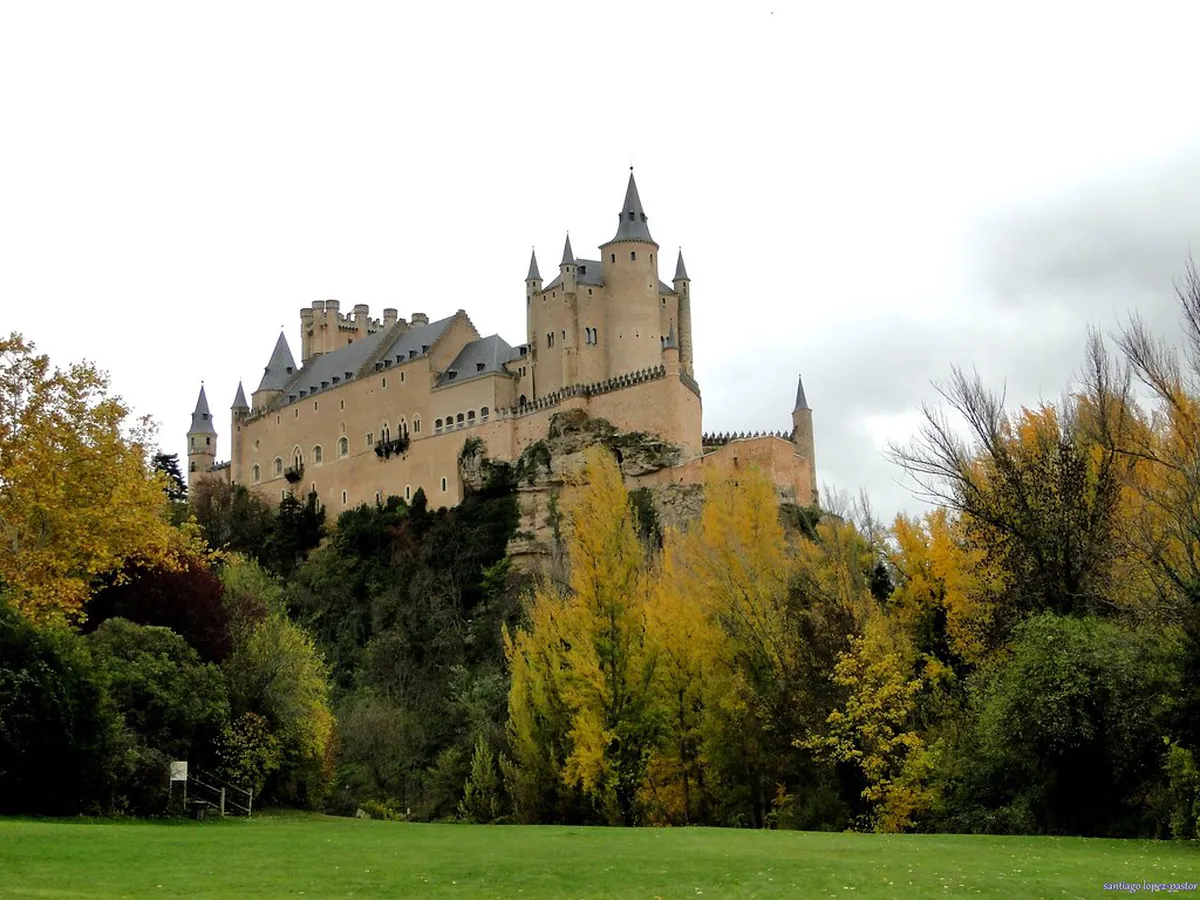
Table of Contents
Explore the Iconic Alcázar de Segovia Architecture
The Alcázar de Segovia stands as a remarkable Spanish landmark. Its unique profile defines the skyline of Segovia, Spain. This iconic castle blends various architectural styles over centuries. Understanding the Alcázar de Segovia architecture reveals its rich history. This guide will explore its fascinating design for your 2025 visit. Discover more about Segovia's architectural wonders.
Originally a Roman fort, it transformed into a medieval fortress. Later, it became a royal palace, then a state prison. Finally, it housed a military academy. Each period left its indelible mark on the building's fabric. This makes the Alcázar a truly captivating architectural journey.
Early Foundations: Romanesque and Military Roots
The Alcázar began its life as a Roman fortress. Strategic location atop a rocky outcrop was crucial. Early structures likely used local granite and limestone. These formed a robust defensive stronghold for the city. Its position offered excellent views of the surrounding plains.
During the 11th and 12th centuries, a Romanesque castle emerged. This period saw the construction of its foundational walls. The earliest parts feature thick stone and simple designs. These reflect its primary function as a military bastion. Learn more about Segovian architectural history.
Alfonso VI of Castile likely used it after reconquering Segovia. The fortress served as a crucial defensive point. Its powerful walls deterred many potential invaders. This strong defensive architecture provided lasting security. The Alcázar remained a key military asset for centuries.
Gothic Grandeur: Royal Residence and Symbolic Towers
The 13th and 14th centuries brought significant Gothic additions. Monarchs like Alfonso X and Henry IV expanded the castle. They transformed it into a more lavish royal palace. This period introduced the grand elements seen today. The Alcázar de Segovia architecture evolved dramatically.
The Tower of John II is a prominent Gothic feature. King Henry IV commissioned this striking square tower. Its four turrets and pointed roof are iconic. This tower served as a symbol of royal power. It offers panoramic views of Segovia and its historic city walls.
Inside, many rooms gained Gothic vaulted ceilings. The Chapel and the Kings' Hall exemplify this style. Large windows allowed more light into the royal chambers. These changes improved comfort and aesthetic appeal. Gothic elements are a cornerstone of the Alcázar's design. Visitors can compare this to other Gothic structures in Segovia.
Mudejar Magic: Intricate Interiors and Islamic Artistry
The Mudejar style profoundly influenced the Alcázar's interiors. This unique blend of Christian and Islamic art is stunning. It showcases exquisite geometric patterns and vibrant colors. Many original features were lost in an 1862 fire. However, diligent restoration efforts brought them back.
The Hall of Pineapples (Sala de Piñas) is a highlight. Its spectacular ceiling boasts intricate gilded ornaments. These three-dimensional 'pineapples' are truly unique. They demonstrate the mastery of Mudejar artisans. This room exemplifies the rich interior design of the Alcázar.
The Mudejar ceilings in the Throne Room are also breathtaking. They feature delicate lacework and star patterns. These designs symbolize celestial grandeur and royal power. Exploring these rooms offers a glimpse into a lost art form. Dive deeper into Mudejar ceilings within the Alcázar. The Alcázar de Segovia architecture is incomplete without this influence.
Other areas, like the Hall of Ajimeces, display Mudejar windows. These twin arched windows are characteristic of the style. The use of plasterwork and glazed tiles is also common. These elements create a luxurious and exotic ambiance. The Mudejar influence truly enriches the palace's beauty. Discover more about Mudejar art in Segovia.
Baroque and Beyond: Restoration and Modern Impact
⭐ Recommendation: Don't miss out on amazing Segovia tours - book now!
Later centuries saw further alterations and restorations. Philip II introduced some Baroque elements in the 16th century. He aimed to match the central European castle style. The iconic slate spires were added during his reign. These gave the Alcázar its distinctive fairytale appearance.
A devastating fire in 1862 destroyed much of the roof. Significant restoration followed this tragic event. Architects meticulously reconstructed the damaged areas. They carefully preserved the original architectural styles. This ensured the Alcázar's historical integrity remained.
Today, the Alcázar serves as a museum and historical archive. It continues to inspire architects and visitors alike. The detailed restoration work is a testament to conservation efforts. Its enduring beauty makes it a UNESCO World Heritage site. Understanding the Alcázar de Segovia architecture enhances any visit.
Planning Your Visit to Alcázar in 2025
Visiting the Alcázar de Segovia is a must for 2025 travelers. The castle is open most days of the year. Check the official website for exact opening hours. These can vary seasonally, especially in winter. Plan at least 2-3 hours to explore fully.
Tickets cost around 9-10 Euros for general admission. An additional 2.50 Euros grants access to the Tower of John II. Buying tickets online in advance is highly recommended. This helps avoid long queues, particularly during peak season. Family and group discounts may be available.
The Alcázar is located at Plaza de la Reina Victoria Eugenia. It sits conveniently near other Segovian attractions. Consider combining your visit with other architectural walks in Segovia. Wear comfortable shoes, as there is much walking involved. Don't forget your camera for stunning photos.
- Opening Hours (Typical): 10:00 AM - 7:00 PM (Summer), 10:00 AM - 6:00 PM (Winter)
- Admission Cost: General ticket ~9-10€, Tower ~2.50€ extra
- Best Time to Visit: Morning or late afternoon to avoid crowds.
Arriving early ensures a more peaceful experience. Audio guides are available for a small fee. They provide excellent insights into the castle's history and architecture. Consider a guided architecture tour for deeper understanding.
Frequently Asked Questions
🎯 Insider Tip: Discover the best Segovia experiences with Viator Tours!
What is unique about Alcázar de Segovia architecture?
The Alcázar de Segovia architecture is unique for its blend of styles. It shows Romanesque, Gothic, and Mudejar influences. This fusion reflects centuries of development. Each royal family and historical era added distinct elements. This makes it a living testament to Spanish history. Explore its architectural journey.
What architectural styles can be seen in the Alcázar?
Visitors can observe several key architectural styles. Early foundations are Romanesque and military. The main structural expansion is Gothic in design. Inside, Mudejar art adorns many ceilings and halls. Later additions from Philip II show Renaissance and Baroque tastes. This diversity is a hallmark of the Alcázar's beauty.
Who designed the Alcázar de Segovia?
No single architect designed the entire Alcázar de Segovia. It evolved over many centuries. Early builders laid Romanesque foundations. Gothic masters added grand towers and halls. Mudejar artisans crafted intricate interiors. Famous figures like Juan Guas contributed significantly. The castle is a collective masterpiece.
The Alcázar de Segovia stands as a testament to Spain's rich heritage. Its captivating architecture tells a story of kings and empires. From Romanesque roots to Mudejar artistry, every detail fascinates. This fairytale castle is a must-see for any traveler. Plan your visit to experience its magic firsthand in 2025. Discover more architectural wonders globally.
Key Takeaways
- The Alcázar de Segovia showcases a unique blend of Romanesque, Gothic, and Mudejar architectural styles.
- The Tower of John II and Mudejar ceilings are iconic highlights of its design and artistry.
- Plan your 2025 visit by checking official hours and buying tickets online in advance to enhance your experience.