
Alcázar of Segovia: Rich Architectural History Unveiled
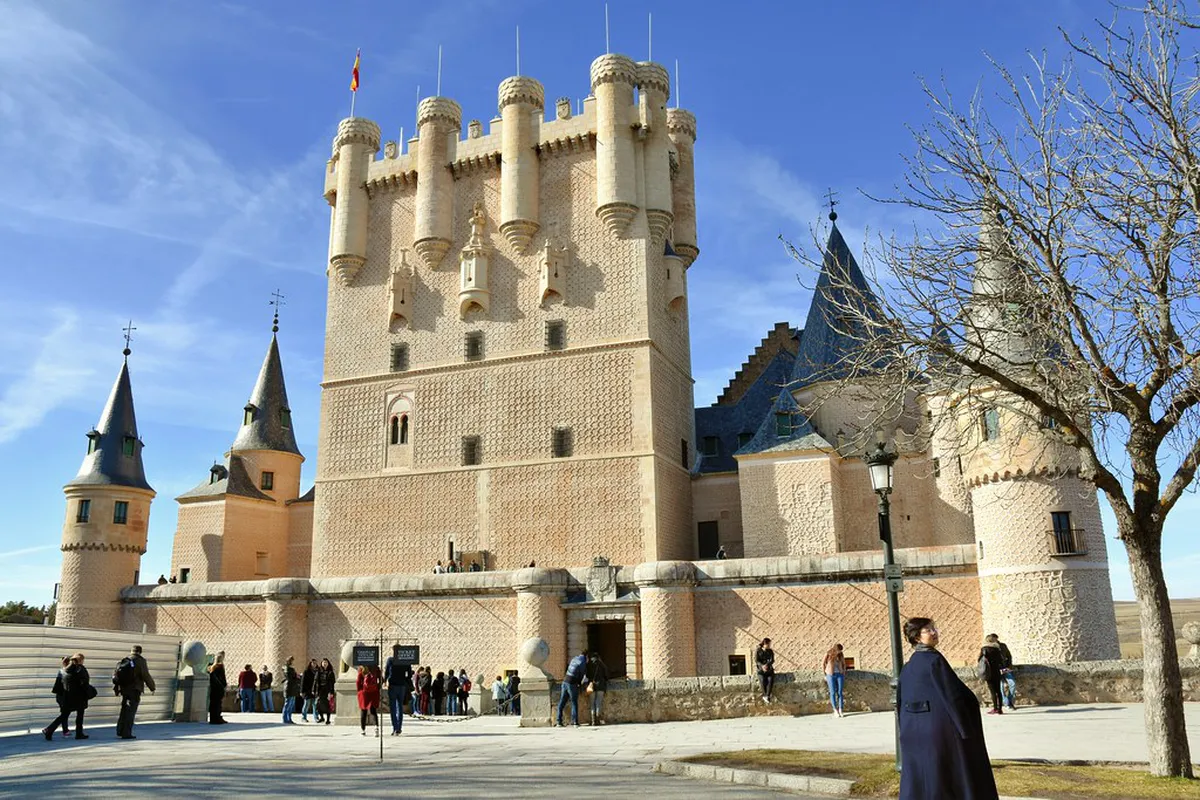
Table of Contents
Explore the Alcázar of Segovia's Architectural Evolution
The Alcázar of Segovia stands as a stunning castle in Spain. Its iconic silhouette captures the imagination of many visitors. This fortress offers a deep dive into centuries of architectural history. Each stone tells a story of evolving styles and rulers.
Understanding the Alcázar of Segovia architecture means exploring its varied past. From Roman foundations to Gothic spires, it showcases diverse influences. This article guides you through its fascinating development in 2025. Prepare to discover a truly unique Spanish landmark.
Early Beginnings: Romanesque and Moorish Roots
The site of the Alcázar holds ancient origins. Roman foundations likely existed here before any castle. Early medieval structures followed this strategic location. These early defenses established the castle's strong base.
The first significant fortress emerged during Moorish rule. It served as an Arab fort or 'alcázar'. Remnants of this period are harder to see today. However, their influence shaped the overall layout.
After the Christian Reconquista, the castle expanded. King Alfonso VI reconquered Segovia in 1085. He began transforming the fortress. This marked the start of its Christian architectural history.
Initial Christian construction saw Romanesque elements. These sturdy, functional designs provided defense. You can still feel this robust character in some lower sections. Learn more about Romanesque architecture in Segovia.
Mudejar Masterpieces and Gothic Grandeur
The Alcázar truly began to flourish during the 13th and 14th centuries. King Alfonso X of Castile was a key patron. He introduced stunning Mudejar elements to the castle. This style blends Islamic and Christian art forms.
The Mudejar influence is visible in intricate tilework and ceilings. The Hall of the Pineapples offers a prime example. Its geometric designs are breathtaking. Explore more about Mudejar ceilings within the Alcázar.
Later, the Gothic style became prominent under Trastámara kings. King John II added significant towers and halls. The Tower of John II stands as a testament to this period. Its pointed arches and decorative elements are classic Gothic.
Isabella I of Castile was crowned queen here in 1474. Her reign brought further Gothic enhancements. The Royal Chamber and Throne Room gained new splendor. These additions solidified the Alcázar's regal status. Many Gothic buildings grace Segovia.
Renaissance Flourishes and Later Transformations
The Renaissance brought subtle changes to the Alcázar's interior. While not as dramatic as other periods, new decorative motifs appeared. These often softened the earlier, more severe Gothic lines. Royal apartments saw updates reflecting new tastes.
During the 16th century, the Alcázar served as a state prison. It later became the Royal Artillery College. This conversion altered some parts of the structure. Functional additions were made to accommodate its new role.
A devastating fire struck the Alcázar in 1862. Much of the interior was destroyed. However, extensive restoration efforts began quickly. Architects meticulously rebuilt many historical rooms. They used period drawings and descriptions as guides.
Today's Alcázar reflects these careful restorations. Visitors see a blend of original and recreated splendor. The detailed work allows us to appreciate its full architectural history of Segovia. Plan your visit to witness this impressive feat.
Frequently Asked Questions
💡 Pro Tip: Book your Segovia adventures in advance through Viator for the best deals!
What architectural styles can be seen in the Alcázar of Segovia?
The Alcázar of Segovia showcases a blend of architectural styles. You will find Romanesque, Mudejar, and Gothic influences. There are also some Renaissance additions. These layers tell the story of its long past.
Was the Alcázar of Segovia always a royal palace?
No, the Alcázar had several different functions. It started as a Roman fort and Moorish fortress. It became a royal palace for Castilian monarchs. Later, it served as a state prison. Finally, it became a military academy. Discover more about Segovia's rich architectural tapestry.
How long does it take to tour the Alcázar's architecture?
Visitors typically spend 1.5 to 2 hours exploring the Alcázar. This allows time to appreciate the various halls and towers. You can delve into the intricate architectural details. Consider booking tickets online to save time. Prices are generally around 9 euros for general admission. The Tower of John II costs an additional 2.50 euros. Check official websites for 2025 opening hours and prices.
The architectural history of the Alcázar of Segovia is truly captivating. It's a journey through Roman, Moorish, Gothic, and Renaissance periods. Each era left its unique mark on this majestic fortress. The Alcázar stands as a testament to Spain's rich heritage.
Visiting this iconic landmark offers an unparalleled experience. You will witness centuries of design evolution firsthand. Don't miss exploring its towers and ornate halls. Plan your visit to Segovia and immerse yourself in this incredible architectural wonder.
Key Takeaways
- The Alcázar blends Romanesque, Mudejar, and Gothic styles.
- It served as a royal palace, prison, and military academy.
- Major restoration occurred after an 1862 fire.
- Allow 1.5-2 hours for a full architectural tour.