
Unveiling the Rich History of Segovian Architecture
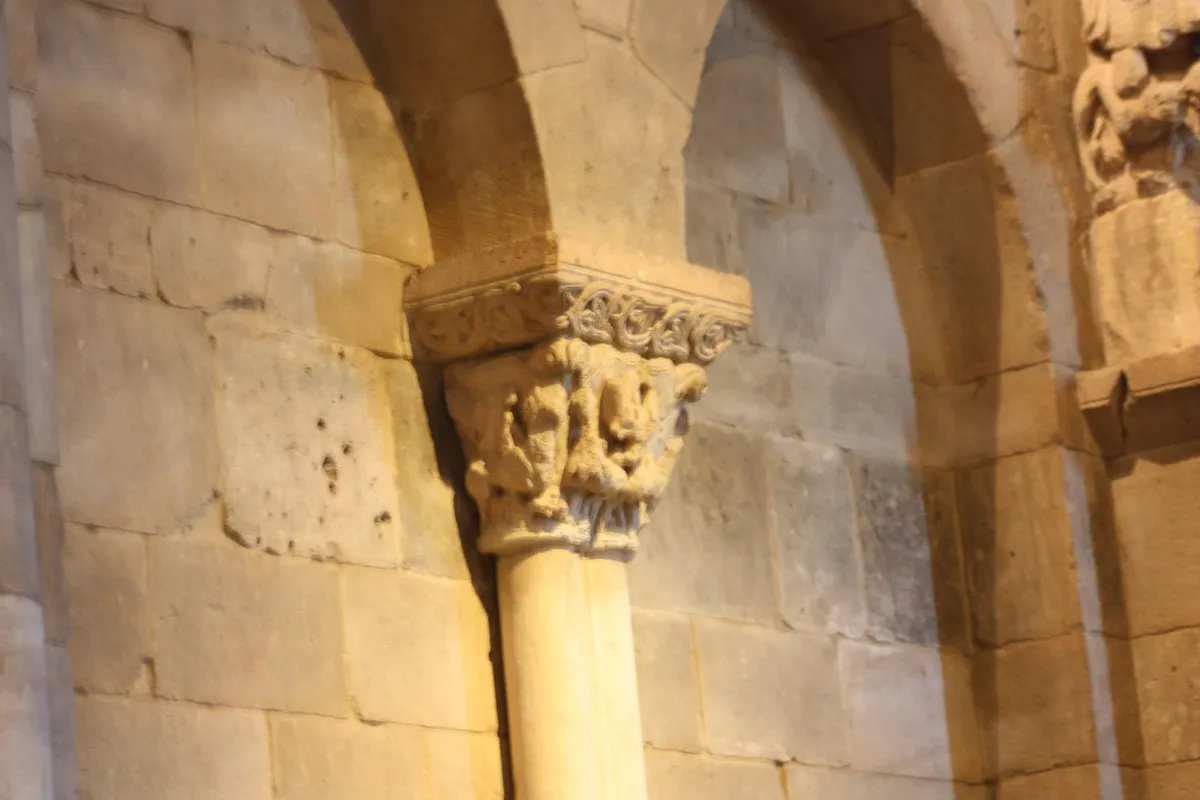
Table of Contents
Explore Segovia's Architectural History Through the Ages
Segovia, a UNESCO World Heritage city, boasts an incredible architectural tapestry. Its buildings tell stories spanning over two millennia. Exploring Segovia reveals layers of fascinating history. This guide delves into the history of Segovian architecture, from ancient Roman engineering to medieval castles.
Understanding these styles enriches any visit to this Spanish gem. Prepare to discover iconic landmarks and hidden artistic details. We will journey through time, exploring how different cultures shaped Segovia's unique identity. Uncover the secrets behind its enduring structures.
Roman Foundations: The Enduring Aqueduct
The Roman Aqueduct of Segovia stands as a testament to ancient engineering. Built around the 1st century AD, it delivered water for centuries. This impressive structure uses no mortar or clamps. Each granite block fits perfectly together, showcasing Roman ingenuity.
The Aqueduct measures over 15 kilometers in length. Its most visible section features 167 arches. It reaches a maximum height of 28.5 meters in the Plaza del Azoguejo. This marvel is an essential part of Roman architecture in Segovia.
Visitors in 2025 can still admire its robust construction. The Aqueduct remains a symbol of Segovia's enduring past. It signifies the powerful influence of the Roman Empire on the region. Take time to walk along its base and appreciate its scale.
Beyond the Aqueduct, Roman influence is subtle. The city plan itself bears some Roman grid characteristics. Early urban development set the stage for future architectural wonders. This foundational period is crucial to Segovia's unique urban fabric. Discover more about the Aqueduct of Segovia's architecture.
Medieval Majesty: Romanesque and Gothic Eras
The medieval period saw Segovia flourish, marked by two dominant styles. Romanesque architecture emerged after the Reconquista. Churches like San Millán exemplify this sturdy, early style. They feature thick walls, round arches, and small windows.
Many Romanesque churches dot Segovia's landscape. The Iglesia de San Millán is a prime example. Its porticoed gallery and Mozarabic influences are notable. These buildings often had a defensive character, reflecting the times.
Later, the Gothic style brought soaring heights and intricate details. The Segovia Cathedral, known as the 'Lady of the Cathedrals', is a masterpiece. Construction began in 1525, representing late Spanish Gothic. It replaced an earlier Romanesque cathedral destroyed in the Comuneros Revolt.
The Cathedral features magnificent stained glass windows and delicate tracery. Its impressive bell tower dominates the city skyline. Inside, chapels display rich artistry and religious devotion. Explore the intricate Gothic details of Segovia Cathedral.
Other Gothic buildings, though less grand than the Cathedral, also exist. The city walls themselves have medieval origins. They showcase defensive architecture from this era. These robust fortifications protected the city's inhabitants for centuries. Learn about Gothic buildings in Segovia.
Mudejar and Renaissance: Cultural Fusion
Mudejar art represents a unique blend of cultures in Segovia. It emerged from Christian rule over Moorish populations. This style incorporates Islamic decorative elements into Christian buildings. Intricate brickwork, geometric patterns, and horseshoe arches are common.
Visitors can find Mudejar elements in church towers and domestic architecture. The bell tower of San Salvador is a fine example. It adds distinct artistic flair to Segovia's skyline. This fusion highlights the diverse history of Segovian architecture.
The Renaissance arrived in Segovia during the 16th century. It brought classical proportions and symmetrical designs. Noble families commissioned grand palaces during this era. These buildings often feature elegant courtyards and ornate facades.
The Casa de los Picos is an excellent Renaissance example. Its diamond-shaped bosses give it a distinctive look. This architectural style marked a shift towards humanism and artistic refinement. Discover more about Segovia's Renaissance palaces. Another notable example is the Torreón de Lozoya, a fortified palace.
Exploring these palaces offers a glimpse into aristocratic life. Many have been beautifully preserved. They stand as monuments to Segovia's prosperous past. Look for the harmony and balance characteristic of Renaissance design. The blend of styles creates a visually rich experience.
The Iconic Alcázar: A Royal Masterpiece
🎯 Insider Tip: Discover the best Segovia experiences with Viator Tours!
The Alcázar of Segovia is one of Spain's most famous castles. It sits majestically on a rocky outcrop. Its unique shape resembles a ship's prow. This fortress has served as a royal palace, state prison, and military academy.
Its architecture showcases a mix of styles. Romanesque origins are evident in its foundations. Later additions reflect Gothic, Mudejar, and Renaissance influences. King Alfonso VIII began its transformation into a royal residence. The Mudejar ceilings in its halls are particularly stunning.
The Alcázar's towers and turrets create a fairytale appearance. The Tower of John II offers panoramic views of the city. Climb its spiral staircase for an unforgettable vista. This iconic landmark is a must-visit for any architecture enthusiast.
Inside, opulent rooms feature intricate artwork and historical artifacts. The Hall of the Kings boasts a frieze depicting Spanish monarchs. Every corner tells a story of royalty and power. Understanding the Alcázar de Segovia's architecture is key. Its evolving design reflects centuries of history.
Unique Segovian Details: Sgraffito and City Walls
Segovia holds distinctive architectural features not found everywhere. One unique characteristic is sgraffito decoration. This technique involves scratching through layers of plaster. It reveals contrasting colors beneath, creating patterns. You'll see sgraffito on many building facades in the Old Town.
This decorative art adds texture and visual interest to homes. It is a traditional Segovian embellishment. Look closely at the facades as you explore the city. Understanding Segovia's sgraffito enriches your visit. It offers a glimpse into local craftsmanship and artistry.
The city's historic walls also tell a significant story. These medieval fortifications protected Segovia for centuries. Parts of the walls date back to Roman times. However, most visible sections are from the 11th and 12th centuries.
Visitors can walk along certain sections of the walls in 2025. This offers unique perspectives of the city. The gates, like Puerta de San Andrés, are particularly impressive. Explore the Segovia city walls history for deeper insights.
Together, these elements contribute to Segovia's UNESCO status. They showcase the city's rich architectural heritage. From grand monuments to intricate details, Segovia captivates. Every stone has a tale to tell.
Frequently Asked Questions
⭐ Recommendation: Don't miss out on amazing Segovia tours - book now!
What are the main architectural periods in Segovia?
Segovia's architecture spans several key periods. These include Roman, Romanesque, Gothic, Mudejar, and Renaissance styles. Each era left a distinct mark on the city's buildings. You can trace these developments through various monuments. Discover more about the timeline of major architectural periods in Segovia.
How did history shape Segovia's unique architectural styles?
Segovia's strategic location attracted various cultures over time. Roman, Visigothic, Moorish, and Christian influences shaped its styles. The Reconquista, for instance, led to the Mudejar style. This fusion created the city's distinct visual identity. Explore how history shaped Segovia's architectural styles.
What are some lesser-known architectural gems in Segovia?
Beyond the main attractions, Segovia has many hidden gems. Explore the Jewish Quarter with its historic synagogues. Visit lesser-known Romanesque churches like Vera Cruz. The traditional courtyards (patios) are also charming. Uncover hidden architectural gems in Segovia on your next trip.
Can I take an architecture tour in Segovia?
Yes, many guided tours focus on Segovia's architecture. They offer insights into different historical periods and styles. Some tours even include specialized themes. You can find options for walking tours or private guides. Consider booking one of the best Segovia architecture tours for an in-depth experience.
The history of Segovian architecture is a journey through time. From the strength of Roman engineering to the elegance of Renaissance design, every structure tells a tale. Segovia's unique blend of styles creates an unforgettable visual experience. It truly is an architectural marvel waiting to be explored.
Plan your visit to Segovia in 2025 to witness these wonders firsthand. Delve into its rich past and appreciate its enduring beauty. For a comprehensive guide to planning your trip, visit Architect Tourist.
Key Takeaways
- Segovia showcases Roman, Romanesque, Gothic, Mudejar, and Renaissance architecture.
- The Aqueduct, Alcázar, and Cathedral are must-see historical landmarks.
- Look for unique Sgraffito details on many buildings.
- Guided tours offer deeper insights into Segovia's rich architectural past.
- Plan your 2025 visit to experience centuries of building artistry.