
Aqueduct of Segovia Architecture: Roman Masterpiece
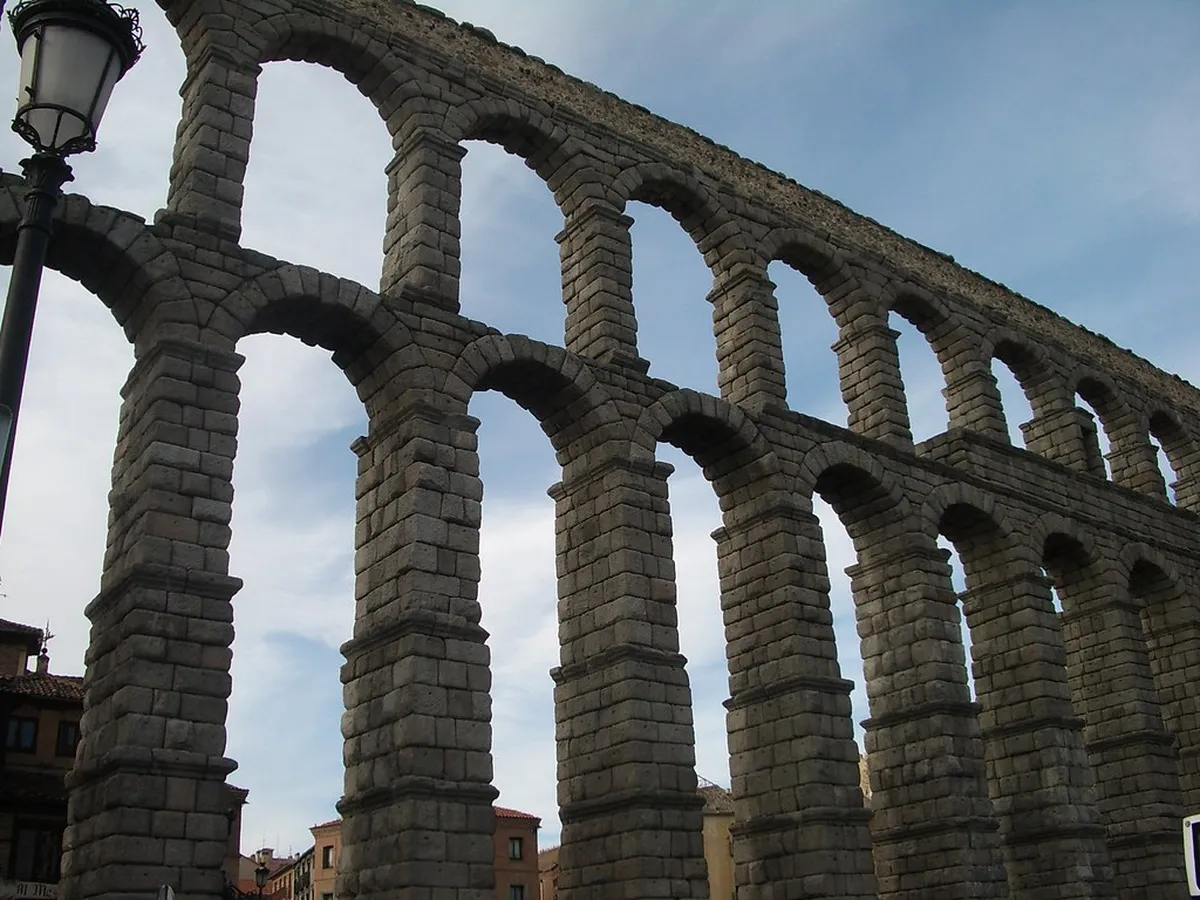
Table of Contents
Unveiling the Aqueduct of Segovia's Roman Architecture
Segovia, Spain, boasts an architectural marvel that has stood for millennia. The Aqueduct of Segovia is a testament to ancient Roman engineering. This guide explores its magnificent architecture and enduring legacy. It stands as a UNESCO World Heritage site. Discover why it remains so vital to Segovia's unique architectural identity. Get ready to uncover its secrets for your 2025 visit.
Its impressive structure dominates the city's skyline. The aqueduct highlights the Romans' mastery of construction. It supplied water to Segovia for centuries. This ancient wonder is a must-see for any architecture enthusiast. Learn more about Roman architecture in Segovia and beyond.
The Engineering Genius Behind the Aqueduct
The Aqueduct of Segovia showcases incredible Roman ingenuity. Engineers used dry masonry techniques for its construction. They carefully fitted each granite block together. This method allowed for immense stability without mortar. The aqueduct's design accounts for gravity and water flow. It brought fresh water from the Sierra de Guadarrama mountains.
Roman surveying and planning were exceptionally precise. They calculated the gentle slope needed for water to flow. This gradient was maintained over many kilometers. The entire system transported water effectively. It remains an unparalleled feat of ancient engineering. Its enduring strength is truly remarkable.
This magnificent structure spans approximately 15 kilometers (9 miles). Its most iconic section stands within Segovia's city center. Here, it reaches its maximum height. The grand arches soar above the Plaza del Azoguejo. You can feel the scale of this project firsthand.
Understanding its construction reveals the dedication involved. Thousands of skilled laborers likely worked on the project. Their collective effort created this lasting monument. It represents the height of Roman civil engineering. Explore further details on how the Segovia Aqueduct was built.
The aqueduct's purpose was purely practical. It provided essential water for the growing Roman city. This water supported public baths, fountains, and private homes. Its functional beauty is truly captivating. Discover more about Segovia's historical building materials.
Architectural Design and Structural Details
The Aqueduct of Segovia features a distinctive two-tiered arch design. This elegant structure maximizes strength and height. The lower arches are typically larger and sturdier. They support the smaller, numerous arches above them. This design distributes weight evenly and efficiently.
Each arch consists of precisely cut granite blocks. These blocks are locally sourced and robust. The Roman builders understood the properties of stone. They chose materials that would withstand centuries of use. The construction relied solely on the weight and fit of these stones. This is a hallmark of superior Roman craftsmanship.
The aqueduct boasts 167 arches in total within the city. Its tallest point reaches nearly 28 meters (93 feet). These impressive dimensions showcase the Romans' ambition. Walking beneath them provides a sense of immense scale. It is a humbling experience for visitors.
Key Architectural Elements:
- Pillars: Massive granite supports form the base.
- Arches: Semicircular arches provide structural integrity.
- Crescents: Tunnels within the pillars allowed for internal access.
- Imposta: The projecting course at the springing of an arch.
The consistent use of semicircular arches is significant. This arch form is inherently stable under compression. It directs weight outwards and downwards. Roman engineers mastered this principle. This mastery is evident throughout the aqueduct's entire length. Learn about the history of Segovian architecture, including other Roman structures.
Historical Context and Enduring Legacy
The exact date of the Aqueduct of Segovia's construction remains debated. Scholars place its completion in the late 1st or early 2nd century AD. It was likely built during the reigns of Emperors Domitian, Nerva, or Trajan. This period marked a peak in Roman expansion and engineering. Its builders were true visionaries.
For over 1,800 years, the aqueduct served Segovia's residents. It functioned continuously well into the 19th century. Its longevity is a testament to its robust construction. Maintenance and repairs were undertaken throughout history. This ensured its continuous functionality.
The aqueduct became a symbol of Segovia itself. It inspired local art, culture, and identity. Its presence shaped the city's development. It stands as a powerful link to its Roman past. The city developed around this vital water source.
In 1985, UNESCO recognized the Aqueduct of Segovia. It was designated a World Heritage site. This acknowledgment protects its historical and architectural value. Preservation efforts ensure its survival for future generations. The aqueduct truly represents architectural conservation in Segovia.
Visiting today, you can witness its power and beauty firsthand. Imagine the daily life it supported centuries ago. The aqueduct connects visitors to ancient civilizations. It reminds us of human ingenuity and resilience. Consider adding a visit to the Alcázar de Segovia for more historical insights.
Best Ways to Experience the Aqueduct in 2025
⭐ Recommendation: Don't miss out on amazing Segovia tours - book now!
Experiencing the Aqueduct of Segovia is truly unforgettable. The best way is to simply walk around its base. Marvel at its towering presence from Plaza del Azoguejo. You can get incredibly close to the granite blocks. This close proximity allows you to appreciate its scale.
For breathtaking panoramic views, climb the nearby stairs. There are several viewpoints offering stunning perspectives. The steps next to the aqueduct lead to elevated platforms. These spots are perfect for photography. Capture the aqueduct against the city backdrop. Learn more about best viewing spots for the Segovia Aqueduct.
Tips for Your Visit:
- Morning Visits: Arrive early to avoid large crowds.
- Photography: Golden hour offers beautiful lighting.
- Comfortable Shoes: Explore the surrounding streets easily.
- Guided Tours: Consider a tour for deeper insights.
Visiting during 2025 offers a chance to see a living piece of history. There are no entry fees as it is an open-air monument. It’s accessible at all times. Plan your trip to include exploring other self-guided architectural walks in Segovia.
Consider pairing your aqueduct visit with other architectural gems. Segovia offers a rich tapestry of styles. From the Alcázar to the Cathedral, history abounds. Take your time to soak in the atmosphere. Remember that this monument stands free for all to admire.
Preservation Challenges and Modern Significance
Despite its ancient strength, the Aqueduct of Segovia faces modern challenges. Environmental factors, like weather and pollution, cause erosion. Vibrations from city traffic also impact its structure. Constant monitoring and conservation efforts are essential. These actions protect it for future generations of visitors.
Regular maintenance ensures the aqueduct's stability. Experts conduct detailed inspections periodically. They address any signs of damage or wear. These ongoing efforts are critical. This helps maintain the integrity of its ancient construction. It safeguards the meticulous work of Roman builders.
The aqueduct continues to be a vital landmark. It draws millions of tourists to Segovia annually. Its image is synonymous with the city. It plays a significant role in the local economy. Its cultural importance cannot be overstated.
Visitors are encouraged to respect the site. Avoid touching the ancient stones unnecessarily. Follow any posted guidelines or recommendations. Our collective efforts help preserve this historical treasure. Responsible tourism is crucial for its longevity.
For architects and history buffs, the aqueduct is a living textbook. It offers lessons in durability, design, and resourcefulness. Its continued existence inspires awe and admiration. It stands as a powerful reminder of ancient Roman capabilities. Experience other Gothic buildings in Segovia to see stylistic contrasts.
Frequently Asked Questions
💡 Pro Tip: Book your Segovia adventures in advance through Viator for the best deals!
How was the Aqueduct of Segovia built without mortar?
The Aqueduct of Segovia was built using a technique called dry masonry. Roman engineers precisely cut and fit granite blocks together. The sheer weight and friction of these stones created stability. This meticulous interlocking system eliminated the need for mortar. It showcases incredible architectural skill.
Gravity held the massive stones in place. The arches distributed weight effectively throughout the structure. This ancient method proved remarkably durable. It allowed the aqueduct to stand for almost two millennia. Explore more about how the Segovia Aqueduct was constructed.
What makes the Aqueduct of Segovia's architecture so significant?
Its significance lies in its incredible preservation and scale. It's one of the best-preserved Roman aqueducts worldwide. The intricate dry masonry construction is a marvel. It functioned continuously for over 1,800 years. This demonstrates superior Roman engineering.
The aqueduct's towering arches dominate Segovia's landscape. It profoundly influenced the city's development and identity. It is a powerful symbol of human ingenuity. This masterpiece offers valuable insights into Roman architectural prowess.
How long did the Aqueduct of Segovia supply water to the city?
The Aqueduct of Segovia supplied water to the city for an astonishing period. It functioned almost continuously for over 1,800 years. Its use began in the 1st or 2nd century AD. The aqueduct remained in operation until the mid-19th century. This long service life is truly remarkable.
Its consistent water supply was crucial for Segovia's growth. It supported daily life, sanitation, and public amenities. Regular maintenance by various civilizations ensured its longevity. This ongoing care speaks to its immense value.
Can you walk on top of the Aqueduct of Segovia?
No, visitors cannot walk directly on top of the Aqueduct of Segovia. The ancient structure is a protected monument. Walking on it is prohibited to preserve its integrity. This restriction helps prevent any damage to the delicate stones.
However, you can walk around its base. There are also viewing platforms nearby. These offer fantastic elevated perspectives of the arches. You can fully appreciate its grandeur from these spots. Visit our guide on best viewing spots for the aqueduct.
The Aqueduct of Segovia stands as an enduring monument to Roman engineering. Its intricate architecture and historical significance are profound. This guide provides a comprehensive look at its design and legacy. Planning your 2025 visit will offer an unforgettable experience.
Marvel at the dry masonry and soaring arches. Experience the timeless beauty of this ancient structure. It continues to inspire wonder in all who see it. Discover more architectural wonders throughout Segovia. Your journey into history awaits!
Key Takeaways
- The Aqueduct of Segovia showcases incredible Roman dry masonry, built without mortar.
- It functioned for over 1,800 years, providing vital water to the city of Segovia.
- Visit during off-peak hours in 2025 and use nearby stairs for stunning panoramic views.