
How Was the Segovia Aqueduct Built? A Roman Engineering Marvel
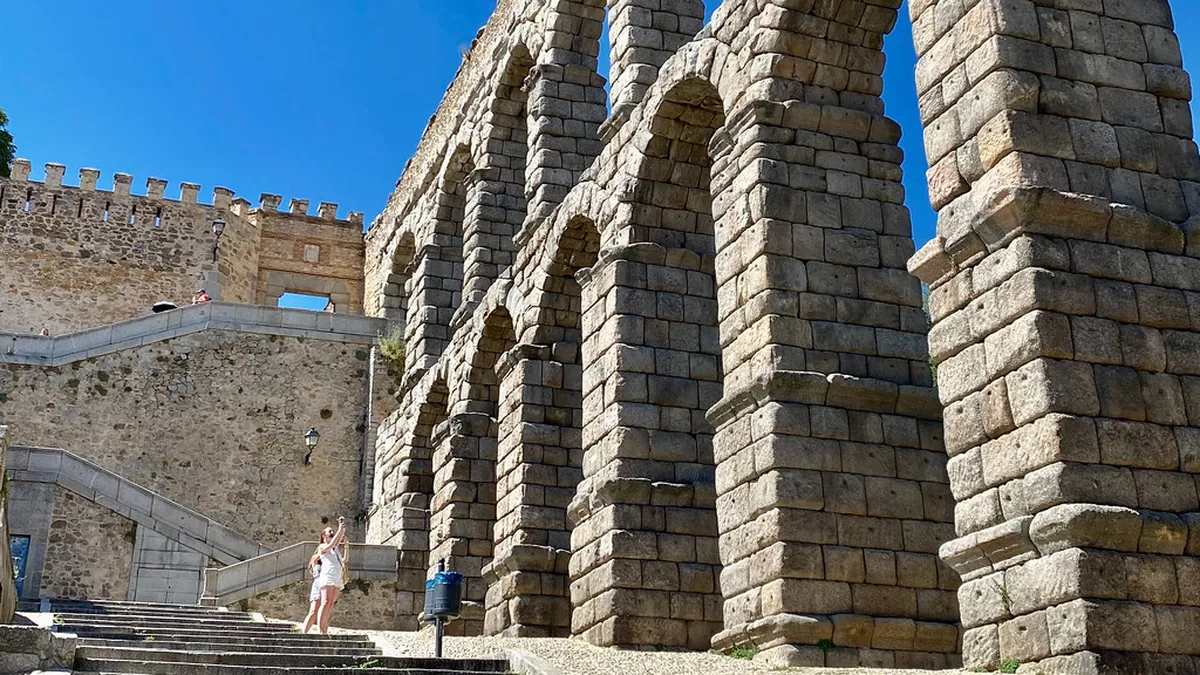
Table of Contents
Unraveling How the Segovia Aqueduct Was Built in Roman Times
The Segovia Aqueduct stands as an incredible testament to Roman engineering prowess. This ancient structure continues to amaze visitors even in 2025. Many wonder how the Segovia Aqueduct was built without modern tools. Its construction involved remarkable ingenuity and precision. Let's explore the secrets behind this enduring masterpiece. You can learn more about Roman architecture in Segovia.
This massive stone channel brought water from the Fuenfría river. It served the city of Segovia for centuries. Understanding its construction offers a glimpse into ancient Roman life. This article will detail the methods used by its builders. We will uncover the brilliance of its design.
Roman Planning and Design for the Aqueduct
Building the Segovia Aqueduct began with meticulous Roman planning. Engineers carefully surveyed the rugged terrain. They needed to ensure a constant, gentle slope for water flow. This design principle was crucial for aqueduct efficiency. Roman architects were experts in aqueduct architecture.
The entire structure stretches over 15 kilometers (9 miles). Its most famous section runs through Segovia's city center. Here, the aqueduct reaches its impressive height. This monumental section features a double tier of arches.
Engineers understood the local geography perfectly. They chose materials available nearby for practicality. Their initial designs considered both function and durability. The Romans built structures to last for millennia. Their legacy still stands strong today. Discover more in our Segovia architecture guide.
Materials and Construction Techniques Employed
The primary material used for the Segovia Aqueduct was granite. Massive granite blocks were sourced from nearby quarries. These stones were precisely cut and shaped by skilled laborers. The Romans used simple but effective tools for this task.
One of the most remarkable aspects is the absence of mortar. The blocks fit together perfectly through dry masonry. Gravity and the sheer weight of the stones hold the structure. This technique is a hallmark of superior Roman craftsmanship. It showcases their advanced building knowledge.
Construction involved a massive workforce. Roman legions, slaves, and local laborers participated. They used ramps, scaffolding, and wooden cranes. These primitive machines lifted the heavy stones into place. The process was slow, arduous, and highly organized. Learn more about Segovia's building materials.
The aqueduct's stability comes from its arch design. Each arch evenly distributes weight downwards. This structural integrity prevents collapse. The double-tiered arches in the city are particularly robust. This sophisticated engineering ensured its long-term survival. For details on its structure, see Aqueduct of Segovia architecture.
Functionality and Enduring Legacy of the Aqueduct
Once completed, the Segovia Aqueduct reliably supplied fresh water. It channeled water from the Sierra de Guadarrama mountains. The water traveled to the city's fountains and baths. This system significantly improved public health and sanitation. It was vital for daily life in Roman Segovia.
The exact construction date remains debated. Most scholars suggest the late 1st or early 2nd century AD. Emperor Trajan or Emperor Domitian likely commissioned it. This timing places its creation during Rome's golden age. It represents the height of Roman architectural achievement.
The aqueduct remained in use for nearly two millennia. It provided water to Segovia until the mid-19th century. This incredible longevity is unparalleled worldwide. Its continued existence inspires awe and admiration. Discover more about the history of Segovian architecture.
Today, the Segovia Aqueduct is a UNESCO World Heritage site. It draws countless visitors each year in 2025. People come to marvel at its scale and resilience. It serves as a powerful reminder of Roman ingenuity. This ancient wonder continues to shape Segovia's identity. Explore best viewing spots to appreciate its grandeur.
Frequently Asked Questions
🌟 Local Expert Tip: Get the most out of your Segovia visit with guided tours!
What materials were primarily used to build the Segovia Aqueduct?
The Segovia Aqueduct was built mainly from large granite blocks. These stones were quarried locally. Roman builders skillfully cut and shaped them. They used no mortar between the stones. This dry masonry technique highlights Roman engineering precision.
How long did it take to build the ancient Segovia Aqueduct?
The exact construction duration is unknown. Historians estimate it took several years to complete. The massive scale and manual labor involved suggest a significant time investment. Roman projects often required extensive planning and execution periods. Discover more about Aqueduct of Segovia architecture.
Is the Segovia Aqueduct still in use today for water supply?
No, the Segovia Aqueduct no longer supplies water to the city. It operated for nearly 1,800 years. Modern infrastructure replaced its function in the 19th century. Today, it stands as a preserved historical monument. It remains a powerful symbol of Roman ingenuity and Roman architecture.
The story of how the Segovia Aqueduct was built is truly fascinating. It showcases the advanced skills of Roman engineers. Their dry masonry techniques and precise planning allowed it to endure. This magnificent structure continues to stand proudly in 2025. It remains an icon of Segovia.
Visiting the aqueduct offers an inspiring glimpse into the past. Imagine the effort involved in its construction. This Roman marvel is a must-see for any history or architecture enthusiast. Plan your self-guided architecture walk to include this wonder. Explore more of Segovia's architectural wonders.
Key Takeaways
- Roman engineers built the Segovia Aqueduct with massive granite blocks.
- They used sophisticated dry masonry, fitting stones without mortar.
- The aqueduct supplied water for almost 1,800 years.
- It is a UNESCO World Heritage site and a top attraction in 2025.
- Its construction reflects remarkable Roman planning and labor.