
Discover Segovia's Stunning Romanesque Churches in 2025
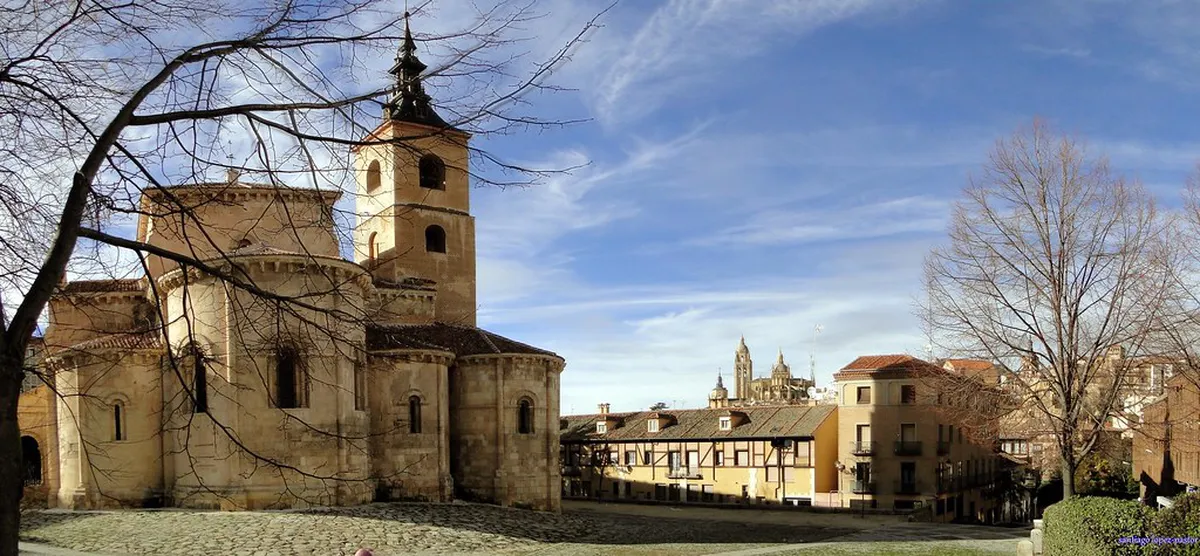
Table of Contents
Explore the Enduring Beauty of Segovia's Romanesque Churches
Segovia, Spain, is a city steeped in captivating history. Its ancient streets reveal incredible architectural treasures. Among its most cherished gems are the many Romanesque churches. These beautiful buildings offer a profound glimpse into medieval life. Plan your 2025 trip to explore these architectural wonders and their rich stories. Discover Segovia's unique architectural character, starting with its Romanesque heritage. Exploring these sites is a truly rewarding experience for visitors.
Understanding Segovia's Romanesque Style
Segovian Romanesque architecture boasts distinct features. These churches often showcase sturdy stone construction. Look for characteristic rounded arches in doorways and windows. Many buildings feature striking brickwork patterns. This style evolved from the 11th to the 13th centuries.
A defining element is the porticoed gallery. These covered walkways provided community gathering spaces. They protected worshipers from harsh weather. You will notice intricate carvings on capitals and cornices. These details often depict biblical scenes or local folklore. Learn more about key features of Segovian Romanesque style before your visit.
Churches typically have a basilica plan. They include three naves and a prominent apse. Bell towers, or campaniles, are another common sight. They rise majestically above the city skyline. Understanding these elements enhances your appreciation. Consider the building materials used in Segovia. They tell a story of local craftsmanship.
Iglesia de San Millán: A Romanesque Masterpiece
The Church of San Millán stands as a prime example. It is one of Segovia's oldest Romanesque churches. Its construction began in the early 12th century. The church features three naves and three apses. Visitors admire its beautiful porticoed gallery.
San Millán boasts impressive capitals. These feature both Romanesque and Mudejar influences. The bell tower also merits close inspection. Its Lombard style is quite distinctive. The church is located near the Aqueduct of Segovia. It makes for an ideal first stop.
Visiting San Millán offers a deep historical immersion. Entrance fees are typically a few Euros. Check current opening hours for 2025, as they can vary. Most churches are open daily, usually from 10 AM to 6 PM. This historic church is a must-see site. A self-guided architectural walk can include this gem.
Exploring the Unique Iglesia de la Vera Cruz
The Church of la Vera Cruz offers a truly unique experience. This Romanesque church dates from the early 13th century. It features a rare dodecagonal (12-sided) plan. This design sets it apart from other churches in Segovia. Its shape is believed to be linked to the Holy Sepulchre in Jerusalem.
La Vera Cruz has strong ties to the Knights Templar. Many believe they founded the church. Its mysterious design and isolated location suggest this connection. The interior features a central edicule. This structure once held sacred relics. You can climb its tower for panoramic city views.
This church is located just outside the old city walls. It provides stunning views back towards the Alcázar. Entry typically costs around €3-€4. Allow ample time to explore its unique architecture. Discover more about Iglesia de la Vera Cruz's fascinating history. Explore the Knights Templar influence in Segovia.
Other Essential Romanesque Churches to Visit
🌟 Local Expert Tip: Get the most out of your Segovia visit with guided tours!
Segovia offers more Romanesque churches beyond the main two. The Church of San Esteban features an exceptional Romanesque tower. Its multi-tiered belfry is a true landmark. This tower is often considered among Spain's most beautiful. It shows intricate details and elegant proportions.
Iglesia de San Martín boasts another magnificent porticoed gallery. This gallery includes detailed capitals. These carvings depict fascinating mythological creatures. The church stands in Plaza de San Martín. This square is a lively spot for local life. Its central location makes it easy to visit.
Don't miss the small but charming Iglesia de San Clemente. It exemplifies the humble beauty of the style. These smaller churches offer a quieter experience. They reveal the widespread adoption of Romanesque architecture. Seek out hidden architectural gems in Segovia. Consider a walking tour of Segovia's Romanesque churches for a comprehensive experience.
Planning Your Romanesque Church Exploration in Segovia
The best time to visit Segovia is spring or fall. Mild weather makes walking between churches very pleasant. Crowds are also typically smaller during these seasons. Aim for early mornings to enjoy churches in peaceful solitude. Many churches close for a siesta in the afternoon.
You can choose between self-guided exploration or a guided tour. A guided architecture tour in Segovia provides expert insights. Self-guided tours offer greater flexibility. Purchase a map and plan your route effectively. Wear comfortable shoes for walking on cobblestone streets.
Remember to be respectful when visiting these active places of worship. Dress appropriately, covering shoulders and knees. Photography is often permitted, but always check for signs. Flash photography is usually discouraged. Plan around 2-3 hours for a focused Romanesque church tour. Consider accessibility options for some older buildings. Find more tips for architectural photography in Segovia. Also, explore accessible architecture in Segovia if needed.
Frequently Asked Questions
What defines Segovian Romanesque architecture?
Segovian Romanesque architecture is distinct. It features sturdy stone or brick construction. Key elements include rounded arches and porticoed galleries. Look for detailed carvings on capitals and cornices. Many churches also have a basilica plan with prominent apses. These features give the buildings their medieval charm. Learn more about specific architectural characteristics here.
Are Segovia's Romanesque churches free to enter?
Most major Romanesque churches in Segovia charge a small entrance fee. This fee helps with maintenance and preservation efforts. Expect to pay around €2-€5 per church in 2025. Some smaller, active parish churches might offer free entry for worship. Always check specific church websites for current pricing. This helps support their historical integrity.
How much time is needed to visit these Romanesque churches?
Allow approximately 30-60 minutes for each major Romanesque church. San Millán and La Vera Cruz may take closer to an hour. This allows for detailed exploration of their interiors and exteriors. A dedicated walking tour of several churches could take 2-4 hours. Consider your pace and interest levels. Don't forget travel time between locations.
Can I explore these churches on a self-guided tour?
Yes, exploring Segovia's Romanesque churches is perfect for a self-guided tour. Obtain a good map of Segovia's old town. Many churches are within easy walking distance of each other. Information plaques often provide historical context. Consider starting near the aqueduct and working your way through the city. A self-guided architecture walk offers flexibility. Remember to plan your route efficiently.
Segovia's Romanesque churches are true architectural gems. They offer a tangible connection to Spain's medieval past. Each church tells a unique story of faith and craftsmanship. From grand porticos to mysterious Templar designs, there's much to discover. Plan your visit to Segovia in 2025. Immerse yourself in the enduring beauty of these ancient structures. Explore more of Architect Tourist's Spain guides for further inspiration. Your journey into history awaits!
Key Takeaways
🌟 Local Expert Tip: Get the most out of your Segovia visit with guided tours!
- Prioritize San Millán and La Vera Cruz for unique Romanesque features.
- Allow 30-60 minutes per church; factor in travel time between sites.
- Visit in spring or fall for pleasant weather and fewer crowds in 2025.
- Wear comfortable shoes and respect church visiting etiquette.
- Consider a self-guided walk or an expert-led tour for rich insights.