
Discovering Mudéjar Art in Segovia, Spain
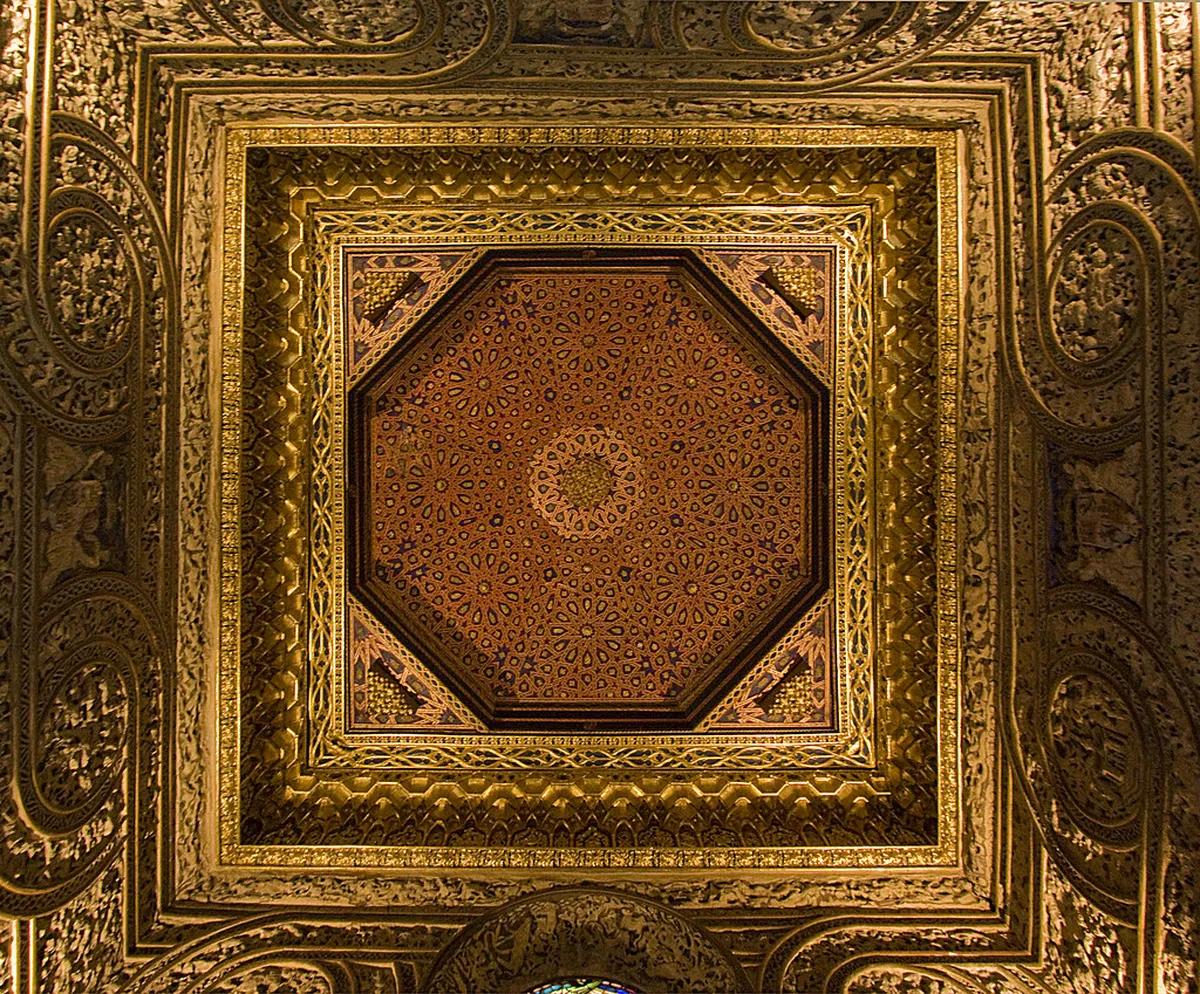
Table of Contents
Explore Segovia's Rich Mudéjar Architecture in 2025
Segovia, Spain, holds a rich tapestry of architectural styles. Among these, Mudéjar art in Segovia stands out significantly. This unique style blends Christian and Islamic influences beautifully. It offers a captivating glimpse into Spain's diverse history.
Understanding Mudéjar art enriches your visit to this historic city. You will discover stunning details in many hidden corners. This guide helps you explore Segovia's incredible Mudéjar heritage. For a broader view, consider our Segovia architecture guide.
What is Mudéjar Art? Understanding the Style
Mudéjar art represents a fascinating cultural fusion. It developed in Christian kingdoms after the Reconquista. Muslim artisans, known as Mudéjars, continued their traditions. They applied Islamic techniques to Christian buildings.
This style blends Gothic or Romanesque forms with Moorish details. Key elements include intricate brickwork and geometric patterns. You will also see decorative plasterwork and horseshoe arches. These features create a distinctive and beautiful aesthetic.
The Mudéjar style is not just an architectural trend. It embodies a period of coexistence and artistic exchange. It showcases the skill of artisans from different backgrounds. This historical context makes Segovia's Mudéjar art even more compelling.
Where to Find Mudéjar Gems in Segovia
Segovia offers numerous examples of exquisite Mudéjar art. Many churches proudly display this unique style. These religious buildings are essential stops for enthusiasts. Exploring them reveals incredible craftsmanship.
The Alcázar of Segovia also features stunning Mudéjar elements. Its intricate ceilings and decoration are breathtaking. You can learn more about its design in our Alcázar de Segovia architecture guide. These details highlight its rich history.
Beyond major landmarks, look for Mudéjar influences in smaller structures. Private residences often boast characteristic brick patterns. Some courtyards also feature classic Mudéjar design. Discover these hidden architectural gems in Segovia.
Iconic Mudéjar Churches and Their Features
Several Segovian churches showcase exceptional Mudéjar elements. The Iglesia de San Millán is a prime example. Its Romanesque structure incorporates Mudéjar brick towers. The interior also features beautiful artesonado ceilings.
The Church of San Lorenzo offers another stunning display. Its apse and tower are remarkably intricate. They feature elaborate brick patterns and decorative arches. These designs reflect strong Moorish influences.
Iglesia de San Esteban boasts an impressive Mudéjar tower. This bell tower is considered one of Spain's finest. Its elaborate brickwork and slender windows are truly magnificent. Visitors can admire its beauty from many vantage points.
Many Romanesque churches in Segovia adopted Mudéjar elements. This fusion made them even more distinctive. The combination often resulted in unique and beautiful structures. These churches are a testament to artistic collaboration.
The Mudéjar Influence Beyond Churches
💡 Pro Tip: Book your Segovia adventures in advance through Viator for the best deals!
Mudéjar influence extended beyond religious buildings. It shaped much of Segovia's residential architecture. Many houses feature unique sgraffito decorations. These patterns often mimic geometric Mudéjar designs.
Even the city walls incorporate Mudéjar brickwork. Some sections of Segovia's historic defenses show this style. Explore the Segovia city walls history to see these details. This widespread use demonstrates its enduring impact.
Traditional Segovian courtyards sometimes feature Mudéjar elements. Look for horseshoe arches or patterned tile work. These details add charm to historical homes. Discover more about Segovia's traditional courtyards.
The materials themselves are characteristic of the style. Local brick and timber were commonly used. This reflects a practical yet artistic approach. Learn about Segovia's building materials.
Planning Your Mudéjar Art Tour in Segovia
A self-guided tour is an excellent way to see Segovia's Mudéjar art. Start with San Millán, then move to San Lorenzo and San Esteban. Allow ample time to appreciate each site. Wear comfortable shoes for walking.
The best time to visit Segovia is spring or fall 2025. The weather is mild, and crowds are smaller. This allows for a more relaxed exploration. You can fully immerse yourself in the architecture.
Consider joining one of the best Segovia architecture tours. These tours often provide deeper insights. Expert guides can highlight less obvious Mudéjar details. They offer valuable historical context.
For photography enthusiasts, morning or late afternoon light is ideal. It enhances the textures of brickwork and carvings. Capture the beauty of this unique style. Check out our architectural photography guide.
Frequently Asked Questions
What are the main characteristics of Mudéjar architecture in Segovia?
Mudéjar architecture in Segovia combines Christian structural forms with Islamic decoration. Key characteristics include intricate brickwork, geometric patterns, and decorative plasterwork. You will also find elegant horseshoe arches. These features create a distinctive and harmonious blend.
The style often uses local materials like brick and wood. Artisans created stunning artesonado ceilings from carved wood. This blend of techniques makes Segovian Mudéjar art truly unique. It reflects centuries of cultural exchange.
Are there any entrance fees for Mudéjar churches in Segovia?
Most Mudéjar churches in Segovia are active parish churches. Therefore, general entry to the main nave is often free. However, some may charge a small fee to access specific areas. These might include bell towers or museum sections.
Always check the opening hours and any potential fees beforehand. Information can usually be found at the church entrance. Or, consult the official city tourism website for 2025 details. This ensures a smooth visit to each site.
How long does it take to explore Segovia's Mudéjar sites?
Exploring Segovia's major Mudéjar sites can take a full day. This allows for thorough appreciation of each location. Consider a self-guided architecture walk. You can visit the churches and the Alcázar.
If you wish to delve deeper, allow two days. This permits a more leisurely pace. It also provides time for other Segovian attractions. You can enjoy the city's overall atmosphere.
Segovia's Mudéjar art offers a powerful historical narrative. It showcases a remarkable fusion of cultures. Every brick and carved detail tells a story. This unique architectural legacy is truly captivating.
Plan your visit to Segovia in 2025 and discover this heritage firsthand. Embrace the intricate beauty of its Mudéjar buildings. It is an unforgettable experience for any history or art lover. Start your architectural journey today.
Key Takeaways
- Mudéjar art in Segovia blends Christian structures with Islamic decorative techniques.
- Major Mudéjar examples include the churches of San Millán, San Lorenzo, and the Alcázar.
- Plan a full day to explore these sites, ideally during spring or fall for best conditions.