
Mudéjar Influence on Segovian Design Explored
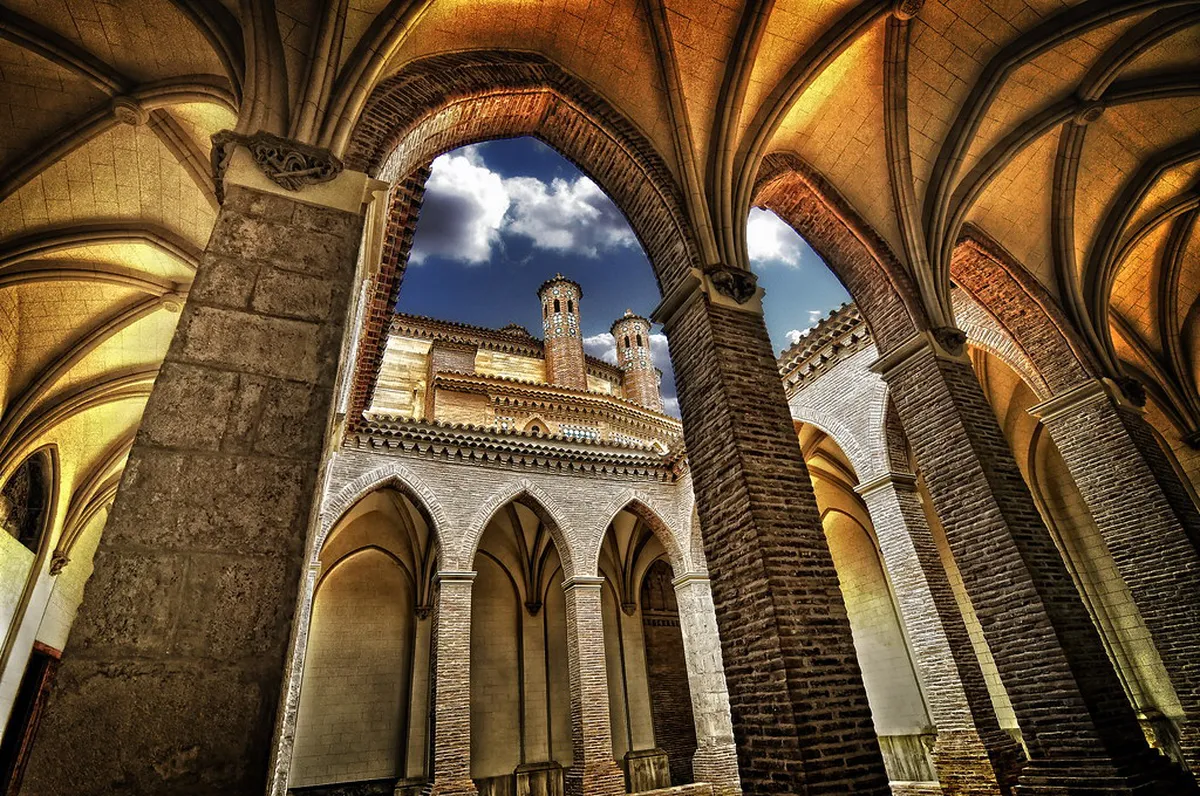
Table of Contents
Discovering Mudéjar Design in Segovia's Architecture
Segovia, a UNESCO World Heritage city, boasts incredible architectural diversity. Its history reflects various cultural influences. Among these, the Mudéjar style holds a special place. This unique art form blends Islamic and Christian traditions. It creates a truly distinctive aesthetic in Segovian design. Understanding Mudéjar influence enhances your visit.
This guide will explore the fascinating world of Mudéjar art in Segovia. You will uncover its origins and key characteristics. Prepare to discover the hidden gems of this historic Spanish city. Learn more about Segovia's unique architectural styles before your trip.
What Defines Mudéjar Style?
The Mudéjar style emerged in Spain after the Christian Reconquista. It signifies the collaboration of Muslim artisans. These skilled workers built for Christian patrons. They integrated Islamic artistic elements into Christian buildings. This created a rich cultural fusion.
Mudéjar art is not a standalone architectural style. Instead, it represents a unique decorative overlay. It often applied to Romanesque or Gothic structures. Its hallmarks include intricate brickwork and decorative plaster. Elaborate wooden ceilings are also very common.
This style flourished from the 12th to the 16th centuries. It demonstrates a peaceful coexistence of cultures. Segovia embraced these design elements enthusiastically. You can find many examples throughout the city. Discover more about Mudéjar art in Segovia.
Architectural Hallmarks of Mudéjar in Segovian Design
Understanding Mudéjar influence on Segovian design means recognizing its specific features. Brick is a primary material in Mudéjar construction. Artisans used it for structural elements and elaborate decoration. Geometric patterns like *sebka* work transform plain walls.
Look for distinctive horseshoe arches. These arches often frame doorways or windows. Intricate plasterwork, known as *yesería*, adorns interiors. It features delicate floral motifs and Kufic script-like patterns. These details add elegance and depth.
Wooden ceilings, or *artesonados*, are another key element. They showcase complex geometric star patterns. These ceilings are structural and decorative masterpieces. Ceramic tiles, or *azulejos*, add vibrant color. They often feature repetitive, interlocking designs. Learn about traditional Segovian building materials.
Even non-Mudéjar buildings sometimes incorporate these decorative touches. This shows the pervasive nature of the style. The blend of Christian building forms with Islamic aesthetics is striking. It offers a visual narrative of Segovia's rich past.
Top Segovian Sites Showcasing Mudéjar Influence
Segovia offers numerous places to appreciate Mudéjar design. The Alcázar of Segovia is a prime example. While mainly Gothic, its interior courtyards and halls feature exquisite Mudéjar elements. The Hall of the Kings and the Patio del Pozo are particularly stunning. Marvel at its intricate wooden ceilings and ornate plasterwork. Explore the Alcázar de Segovia architecture details.
Many of Segovia's Romanesque churches also display Mudéjar additions. The Church of San Millán is a superb example. Its exterior features a striking brick bell tower. Inside, you can find beautiful *artesonado* ceilings. These elements highlight the blend of styles. Visit Iglesia de San Millán for a closer look.
Other lesser-known sites also boast Mudéjar touches. Look for brick arches and decorative friezes in the old town. Some palaces and houses in the Jewish Quarter preserve these details. Seek out these often-overlooked architectural treasures. Use this guide to find where to see Mudéjar architecture in Segovia.
Practical Tips for Discovering Segovia's Mudéjar Art in 2025
💡 Pro Tip: Book your Segovia adventures in advance through Viator for the best deals!
Visiting Segovia in 2025 provides an excellent opportunity. Immerse yourself in its Mudéjar heritage. Start your exploration at the Alcázar. Allow ample time to examine its interior decoration. Focus on the ceilings, arches, and wall patterns. Tickets usually cost around €9.50. Check current opening hours online.
Next, seek out the Romanesque churches. Many are easily accessible within the city center. San Millán is a must-see for its Mudéjar tower. Consider a self-guided walk through the historic district. Pay attention to subtle details on older buildings. A self-guided architecture walk can reveal much.
For a deeper understanding, consider a guided tour. Expert guides can point out hidden features. They provide historical context you might otherwise miss. Many local tours focus on specific architectural periods. Look for tours specializing in medieval Segovia. Find the best Segovia architecture tours that fit your interest.
Frequently Asked Questions
⭐ Recommendation: Don't miss out on amazing Segovia tours - book now!
How did Mudéjar architecture arrive in Segovia?
Mudéjar architecture arrived with the Christian Reconquista of Spain. Muslim artisans, under Christian rule, continued their traditional building practices. They fused Islamic artistic elements with Christian architectural forms. This cultural exchange created the distinct Mudéjar style. Segovia's location made it a hub for such interactions.
What are the main features of Mudéjar design in Segovia?
Key features include intricate brickwork, often in geometric patterns. Horseshoe arches are also common. Look for elaborate *yesería* plasterwork and detailed *artesonado* wooden ceilings. Vibrant *azulejos* (ceramic tiles) add color. These elements create a unique fusion. Learn more about Mudéjar art in Segovia.
Where can visitors best see Mudéjar architecture in Segovia?
The Alcázar of Segovia showcases stunning Mudéjar interiors. The Church of San Millán features a notable brick tower and ceilings. Other Romanesque churches and historic houses also exhibit elements. Consider exploring the old town and the Jewish Quarter. Consult a guide for specific locations. Use a map to find where to see Mudéjar architecture easily.
The Mudéjar influence on Segovian design offers a rich tapestry of history and art. This unique style embodies a period of cultural synthesis in Spain. Its decorative elements continue to captivate visitors. Experiencing these architectural wonders truly enriches your trip. Plan your exploration of Segovia's Mudéjar heritage today.
Discover more about incredible architecture worldwide. Visit Architect Tourist for further inspiration. Immerse yourself in Segovia's captivating historical narrative.
Key Takeaways
- Mudéjar style blends Islamic artistry with Christian architecture.
- Look for intricate brickwork, horseshoe arches, and wooden ceilings.
- The Alcázar and San Millán church are prime examples in Segovia.