
Romanesque Architecture of Iglesia de San Millán in Segovia
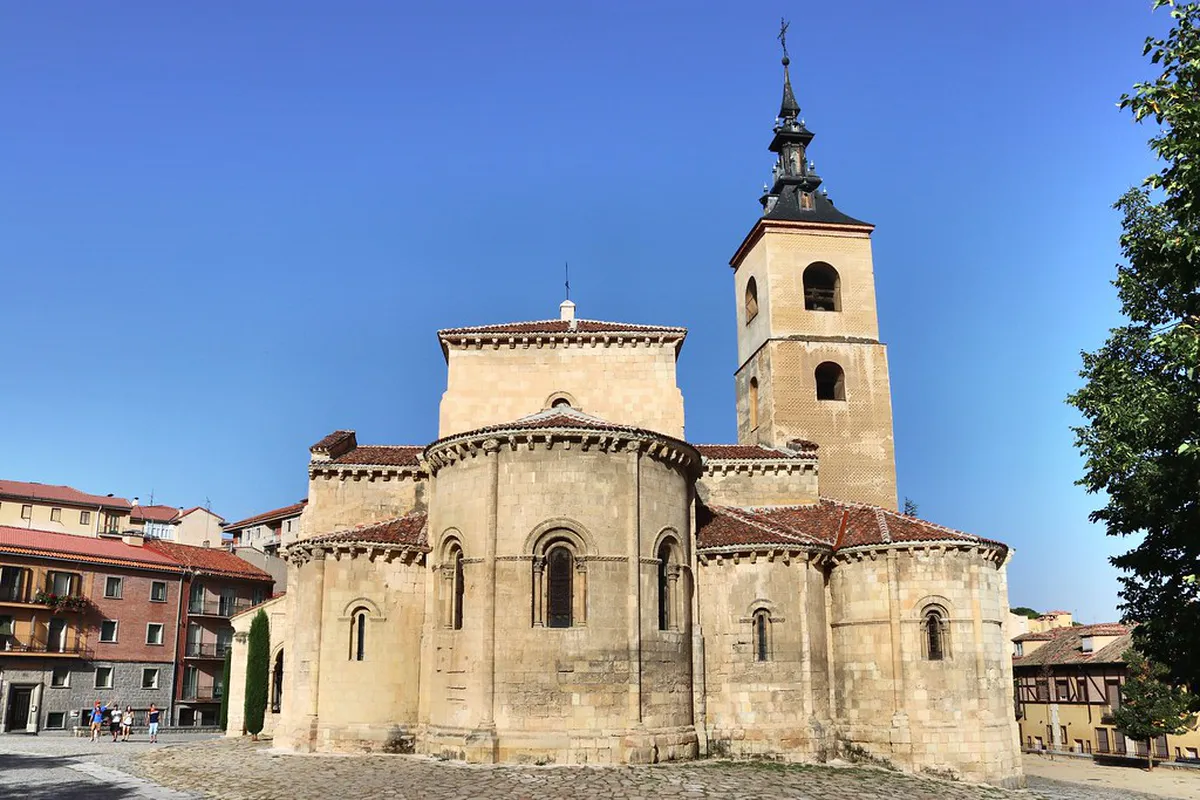
Table of Contents
Exploring the Romanesque Architecture of Iglesia de San Millán
Segovia, Spain, boasts a rich architectural heritage. Among its treasures is the remarkable Iglesia de San Millán. This church stands as a prime example of early Romanesque architecture.
Its unique design tells a story of centuries past. Exploring its features reveals deep historical and artistic insights. Prepare to be captivated by this magnificent structure during your 2025 travels to Segovia. Learn more about Segovia's architectural wonders.
The Enduring Romanesque Architecture of Iglesia de San Millán
Iglesia de San Millán dates back to the early 12th century. It represents one of Segovia's oldest churches. Its construction followed the city's reconquest. This church provided a spiritual center for new residents.
The building reflects a period of rebuilding and cultural fusion. It showcases a pure Romanesque style from its era. This makes it crucial for understanding Segovian architectural history. The church stands just outside the old city walls.
Its design principles are distinctly Romanesque. Strong, thick walls support its robust structure. Small, rounded arches characterize its openings. This style created durable and imposing sacred spaces.
Many other Romanesque churches in Segovia share these traits. San Millán, however, stands out. Its early foundations remain largely intact, offering authentic insights.
Distinctive Elements of San Millán's Design
Iglesia de San Millán features several key Romanesque elements. Its three naves culminate in semicircular apses. These apses are adorned with blind arcades and columns. The structure feels grand yet intimate.
Perhaps most striking are its two elegant porticoed galleries. These extend along the north and south sides. They provided a public gathering space in medieval times. Such galleries are typical of Castilian Romanesque churches.
The central nave rises above the side aisles. It features a robust barrel vault. This construction method is a hallmark of Romanesque design. The overall impression is one of solid permanence. Discover more about local building materials.
Two slender bell towers flank the main façade. They add to the church's imposing silhouette. These towers rise gracefully, completing its balanced composition. They are vital to its iconic appearance.
Mudéjar Art Blends with Romanesque Styles
Beyond its Romanesque core, San Millán reveals Mudéjar influences. This unique blend reflects Spain's diverse cultural past. Mozarabic builders contributed to its early construction. Their skills fused different artistic traditions.
Look for exquisite Mudéjar brickwork details. These are visible in the towers and interior elements. Intricate geometric patterns adorn various surfaces. This shows the harmonious coexistence of styles. Mudéjar art adds layers of beauty.
The capitals adorning the columns are noteworthy. They display a rich variety of carvings. You will find both floral and zoomorphic motifs. These details add artistic flair to the sturdy Romanesque forms.
The main apse houses a beautiful 13th-century altarpiece. This piece further enhances the church's interior. Every corner tells a story of craftsmanship. Consider the symbolism in Segovian architecture as you explore.
Visiting Iglesia de San Millán in 2025
💡 Pro Tip: Book your Segovia adventures in advance through Viator for the best deals!
Iglesia de San Millán is easily accessible in Segovia. It sits on Plaza de San Millán. This location is a short walk from the Aqueduct. It makes for an excellent addition to your architectural tour.
For current visiting hours in 2025, always check the official website. Typically, the church is open Tuesday through Saturday. Morning hours are generally from 10:00 AM to 1:00 PM. Afternoon hours may vary.
Entry to the church is usually free. However, donations are always appreciated. They help maintain this historic treasure. Plan for at least an hour to fully appreciate its details. Check specific visiting hours before you go.
Consider visiting in the morning for fewer crowds. This allows for quiet contemplation. You can also explore the surrounding neighborhood afterwards. A self-guided architecture walk can include this gem.
Frequently Asked Questions
What makes Iglesia de San Millán architecturally significant?
Iglesia de San Millán is a pure example of early Romanesque design. Its construction reflects 12th-century repopulation efforts. It features distinctive porticoed galleries. These elements make it a key site for Romanesque architecture studies.
Are there other Romanesque churches in Segovia worth visiting?
Yes, Segovia has many beautiful Romanesque churches. Consider visiting San Martín and San Salvador. The Iglesia de la Vera Cruz is also a notable Romanesque site. Each offers unique insights into the style.
Can I take photographs inside Iglesia de San Millán?
Generally, photography is permitted inside. Please refrain from using flash. Maintain respect for those worshiping. Always check for any specific restrictions upon entry. Learn tips for architectural photography.
Iglesia de San Millán is a true architectural jewel of Segovia. Its Romanesque lines and Mudéjar details tell a rich history. This church offers a deep dive into medieval Spanish design. It remains a must-see for architecture enthusiasts.
Don't miss experiencing this captivating structure firsthand in 2025. Plan your visit to Iglesia de San Millán. It showcases the enduring beauty of its era. Explore more of Segovia's architectural heritage.
Key Takeaways
- Iglesia de San Millán is a prime example of early 12th-century Romanesque architecture in Segovia.
- Look for unique features like the porticoed galleries and Mudéjar brickwork.
- Plan your 2025 visit to include ample time for appreciation and photography.