
Your Essential Málaga Architectural Map for 2025
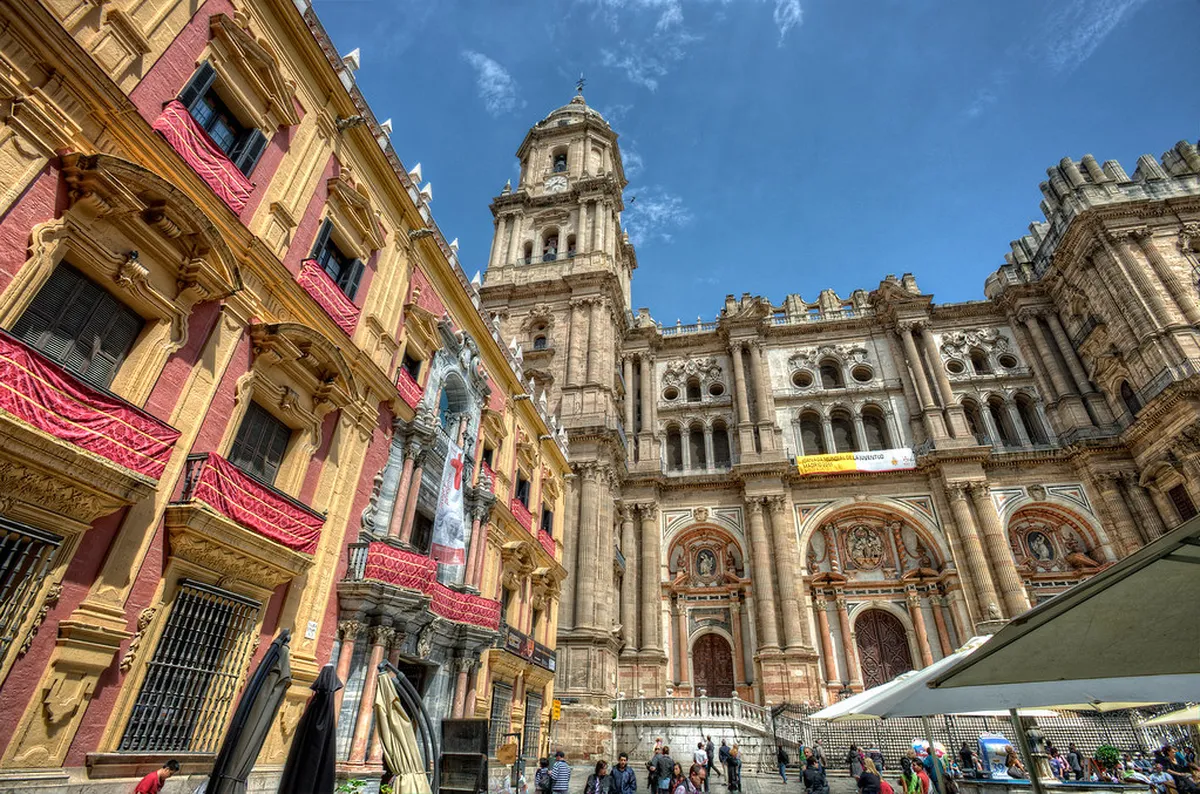
Table of Contents
Explore Málaga's Rich Architectural Map: A 2025 Guide
Málaga offers a stunning journey through history. Its diverse architecture tells a captivating story. This guide provides your essential Málaga architectural map for 2025. You will discover ancient ruins and modern masterpieces.
For an overview, visit Architect Tourist. Prepare to explore incredible buildings and hidden gems. We cover Roman, Moorish, and Baroque influences. Find practical tips for your architectural adventure here. Check out our main Málaga architecture guide for more details. Learn how to best navigate this beautiful city. Our goal is to enhance your visit to Spain.
Ancient Roots: Roman and Moorish Málaga
Málaga's oldest structures reveal fascinating history. The Roman Theatre stands proudly near the Alcazaba. It dates back to the 1st century AD. You can explore its tiers and stage area for free.
Next, ascend to the magnificent Málaga Alcazaba. This Moorish fortress palace is truly stunning. Built in the 11th century, it showcases intricate Islamic design. Explore its courtyards, gardens, and defensive walls.
The Gibralfaro Castle offers panoramic city views. It connects to the Alcazaba via a fortified corridor. This castle provided vital defense for centuries. Discover more about Moorish architecture in Málaga. These sites are open daily, typically from 9 AM to 6 PM. Combination tickets are available for both.
You will also find remnants of the Roman city. Explore these historical layers that built Málaga. The blend of styles creates a unique urban fabric. Don't miss the fascinating Roman Theatre's history. It offers free entry and insights into ancient life.
Grandeur and Faith: Málaga Cathedral and Baroque Styles
The Málaga Cathedral dominates the city skyline. Locals call it 'La Manquita' or 'The One-Armed Lady'. Its second tower remains unfinished since the 18th century. Entry costs about €8, including an audio guide.
This impressive structure features diverse styles. You'll see Renaissance, Baroque, and Neoclassical elements. The interior boasts stunning chapels and choir stalls. Learn more about Málaga Cathedral's architectural style. Guided tours provide deeper insights.
Nearby, the Palacio Episcopal showcases grand Baroque design. Its ornate facade faces the cathedral plaza. This historic bishop's palace is very striking. Explore its courtyards and art exhibitions. Find details on the Palacio Episcopal in Málaga. Many churches in the Old Town also feature Baroque details.
Discover other beautiful religious buildings. These structures highlight Málaga's rich heritage. The Mudejar style also appears in some older churches. This unique blend of Christian and Islamic art is captivating. Explore Baroque architecture in Málaga for more. It represents a significant artistic period.
Modern Marvels: 20th Century and Contemporary Designs
Málaga embraces modernity with striking buildings. The Atarazanas Market features an impressive iron structure. This 19th-century building stands on a former shipyard. It retains a grand Moorish arch at its entrance.
Explore the vibrant Soho district for street art and new designs. Here, old industrial buildings meet modern urban art. The Centre Pompidou cube adds a splash of color to the port area. This contemporary art museum offers bold architectural contrast.
The Port of Málaga area shows significant redevelopment. Modern buildings blend with historic elements beautifully. Take a stroll along the Muelle Uno waterfront. See the striking 'Palmera de las Sorpresas' canopy design. Learn about contemporary architecture in Málaga.
Many museum buildings in Málaga are architectural gems. The Carmen Thyssen Museum resides in a Renaissance palace. The Picasso Museum sits in a restored palace, Palacio de Buenavista. Discover these fascinating examples of Modernist buildings in Málaga. These sites offer rich cultural experiences.
Curated Walking Tours for Architecture Lovers
🎯 Insider Tip: Discover the best Madrid experiences with Viator Tours!
Discover Málaga's architecture with a self-guided tour. Our Málaga architecture walking tour map covers key sites. Start in the Old Town and move towards the port. Allow at least half a day for a comprehensive tour.
Focus on specific themes or periods. You might explore Roman and Moorish history first. Then, shift your attention to Baroque churches and palaces. Consider a tour dedicated to 20th-century Modernism. Don't forget the beautiful historic plazas in Málaga.
Utilize an interactive map of key Málaga buildings. This tool helps plan your route efficiently. Look for specific opening hours and ticket prices beforehand. Many sites offer reduced entry fees for students or seniors.
Download a printable Málaga architecture walking tour map. This can be very useful offline. Wear comfortable shoes, as you'll do lots of walking. Stay hydrated, especially during warmer months. Remember to look up and notice small details.
Practical Tips for Your Málaga Architectural Journey
Plan your visit to Málaga for 2025 carefully. Spring (April-May) and Fall (September-October) offer pleasant weather. Summer can be very hot, with temperatures exceeding 30°C (86°F). Winter is mild but can be rainy.
Many key sites are centrally located. The historic center is mostly pedestrian-friendly. Public transport, like buses, covers wider areas. Consider buying a travel card for convenience. This saves money on individual tickets.
Budgeting your trip: Entry fees for major sites vary. The Alcazaba and Cathedral typically cost €3-€10 each. Many smaller churches offer free entry. Dining costs range from €10-€20 for a main meal. Look for 'menu del día' for good value.
Book accommodations near the city center. This allows easy access to architectural sites. Consider staying in a historic building for immersion, like those found in Málaga's Old Town. Always check opening hours before visiting. Some museums close on Mondays. Enjoy your architectural exploration of Málaga! Discover more about historic Málaga house styles to fully appreciate the local charm.
Frequently Asked Questions
🎯 Insider Tip: Discover the best Madrid experiences with Viator Tours!
How long do I need to explore Málaga's architectural sites?
To truly appreciate Málaga's architectural map, plan 2-3 full days. This allows time for major sites like the Alcazaba. You can also visit the Cathedral and several museums. A single day provides a good overview of the historic center. However, you will miss many finer details. Consider a focused walking tour for efficient exploration.
Are there any free architectural sites or walking tours in Málaga?
Yes, Málaga offers several free architectural experiences. The Roman Theatre is free to enter and explore. Many historic plazas, like Plaza de la Merced, are open to all. You can also walk around the port area freely. Create your own self-guided tour using an interactive map. Some churches offer free entry outside of mass times. Check specific schedules for free museum days, usually Sundays.
What is the most iconic building on the Málaga architectural map?
The Málaga Cathedral is arguably the most iconic building. Its imposing presence and unique unfinished tower are memorable. The Alcazaba also stands out as a prime example of Moorish design. Both offer deep historical and architectural significance. The Roman Theatre offers ancient origins. For a complete understanding, visit these and explore the Cathedral's style. These sites are essential to any Málaga visit.
Málaga's architectural map reveals a city rich in layers. From Roman ruins to contemporary art, every corner tells a story. Use this guide to plan your 2025 visit effectively. Discover the beauty of its diverse building styles.
For an even richer planning tool, check out our interactive map of Málaga's buildings. Don't just see the buildings; understand their history. Immerse yourself in Málaga's vibrant culture and design. For a more detailed look, explore our comprehensive Málaga architecture guide. Start planning your unforgettable architectural adventure today!
Key Takeaways
- Málaga offers diverse architectural styles from Roman to contemporary.
- Plan 2-3 days to fully explore major sites like the Alcazaba and Cathedral.
- Utilize a walking tour map for an efficient and immersive experience.
- Spring and Fall provide the best weather for architectural exploration.
- Look beyond the main attractions for hidden architectural gems.