
Discovering Málaga Alcazaba Architecture: A Deep Dive
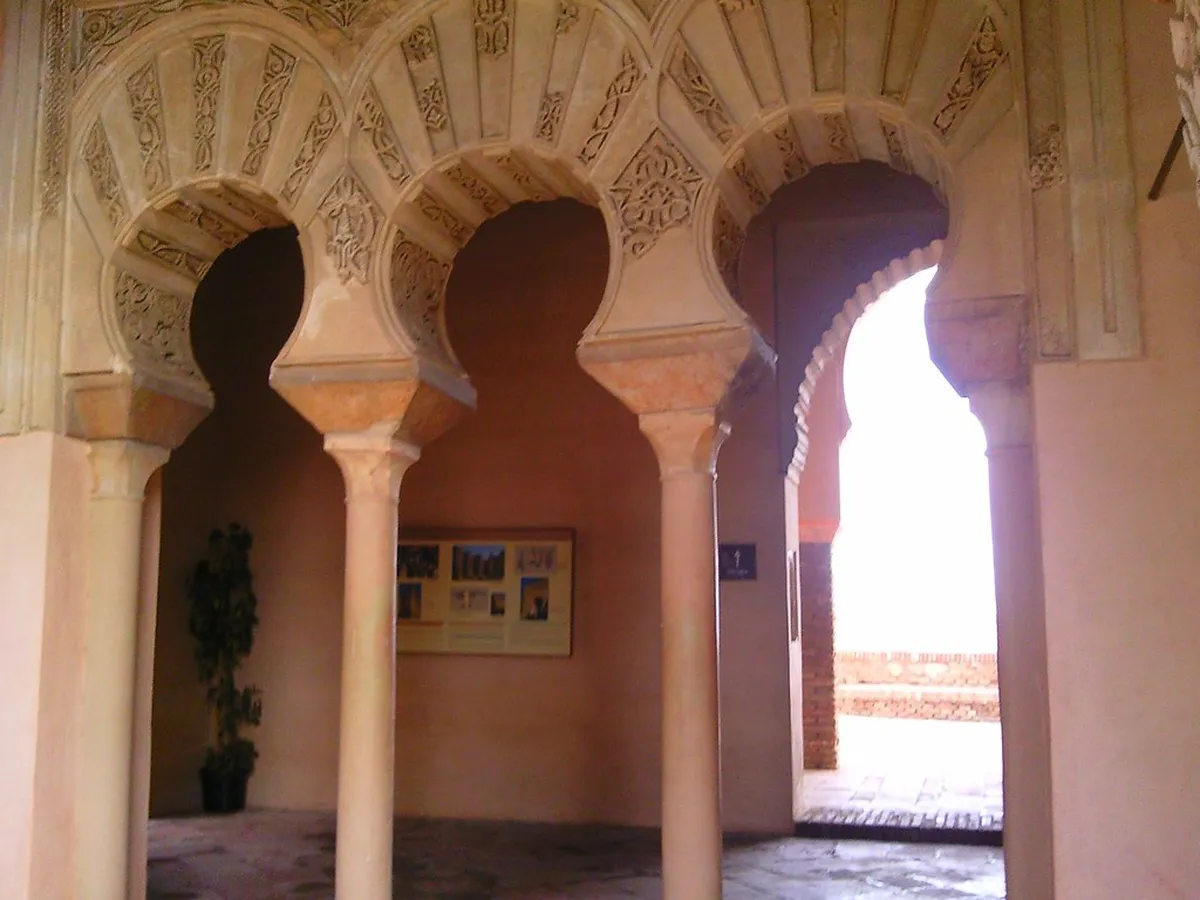
Table of Contents
Explore the Stunning Málaga Alcazaba Architecture in 2025
Málaga Alcazaba architecture stands as a magnificent example of Moorish design. This ancient fortress-palace offers a captivating journey. It reveals centuries of rich history and artistic craftsmanship. Prepare to explore its intricate details.
Dating back to the 11th century, the Alcazaba is a must-see in Málaga. It combines military strength with beautiful palace aesthetics. Its strategic location offers incredible city views. Dive into Málaga's architectural past on your next visit. This guide details its stunning features.
Discover the secrets held within its ancient walls. From decorative courtyards to formidable battlements, every corner tells a story. This detailed guide prepares you for an unforgettable architectural experience. Learn more about Moorish architecture in Málaga.
The Moorish Origins of Málaga Alcazaba Architecture
The Málaga Alcazaba's construction began in the 11th century. It was built during the Taifa of Málaga. The Hammudid dynasty initiated this grand project. Their ambition was to create a fortified palace.
This fortress served as a royal residence. It also protected the city from invaders. Builders used materials from the nearby Roman Theatre. You can still see Roman columns integrated into its walls. This practice shows a unique blend of historical periods.
Moorish architectural principles guided its design. These include defensive strategies and aesthetic beauty. Intricate patterns and tranquil courtyards define its style. The Alcazaba showcases the advanced engineering of its time. Discover more about Alcazaba's defensive architecture.
Over centuries, rulers added new sections. The Nasrid dynasty made significant expansions. They refined the palace's residential areas. These additions blended seamlessly with earlier designs. This evolution created a complex and stunning site.
Moorish influence remains evident throughout the structure. It reflects the region's rich Islamic heritage. Visitors can appreciate the harmonious blend of function and art. This design philosophy is central to all historic Málaga architecture.
Key Architectural Features and Design Elements
The Málaga Alcazaba architecture features iconic horseshoe arches. These arches are characteristic of Moorish design. They create elegant doorways and window frames. Their unique shape adds to the fortress's distinct charm.
Courtyards with tranquil fountains provide peaceful retreats. The Patio de los Naranjos is a beautiful example. It features citrus trees and flowing water. These spaces offered cool relief from the Mediterranean heat. They also created serene private gardens.
Intricate geometric patterns adorn many surfaces. Carved stucco and tiling display remarkable craftsmanship. These details were common in Islamic art. They reflect a deep appreciation for symmetry and beauty. Each pattern tells a silent story.
Water features are integral to the design. Canals and pools connect various areas. They served both practical and aesthetic purposes. Water symbolized purity and life in Moorish culture. You can find similar elements in other Moorish sites.
The palace sections feature finely decorated rooms. The Cuartos de Granada are particularly stunning. Their plasterwork and ceilings show exquisite artistry. These elements highlight the luxurious lifestyle of past rulers. Consider a Málaga architecture walking tour to appreciate these details fully.
Defensive Architecture of the Alcazaba
The Alcazaba's design prioritized defense above all. It features a formidable double wall system. The outer wall provided the first line of protection. An inner wall guarded the palace further. This layered approach made it very secure.
Numerous watchtowers punctuate these walls. These towers offered strategic viewpoints. Guards could spot approaching enemies from afar. The Torre del Homenaje is a prominent example. It provided critical defensive capabilities.
Massive gates controlled access to the complex. The Puerta de las Columnas is one such entry. These gates often had multiple turns. This made direct assault extremely difficult. They were choke points for invaders.
The design incorporated hidden passageways and battlements. Defenders could move undetected. They could launch surprise attacks. This complex layout confused attackers. The fortress was a true military masterpiece. Learn about the Alcazaba's defensive strategies.
A deep moat once protected parts of the exterior. This added another layer of security. The Alcazaba's elevated position also contributed to its strength. It overlooked the city and port, offering clear strategic advantages. Explore the impressive Gibralfaro Castle architecture connected nearby.
Experiencing the Alcazaba: Practical Visitor Information for 2025
🌟 Local Expert Tip: Get the most out of your Madrid visit with guided tours!
Visiting the Málaga Alcazaba is an essential experience in 2025. The fortress opens daily, but hours vary by season. Generally, it opens from 9:00 AM to 6:00 PM or 8:00 PM. Always check the official website for current timings.
Entry fees are quite affordable. A standard adult ticket costs around €3.50 in 2025. You can purchase a combined ticket with Gibralfaro Castle for about €5.50. This offers excellent value for money. Reduced prices are available for students and seniors.
Allow at least two to three hours for your visit. Wear comfortable shoes as there is much walking involved. The paths are uneven in some areas. It is also advisable to bring water, especially during warmer months. Visit early morning or late afternoon to avoid crowds.
The entrance is conveniently located near the Roman Theatre. You can find it on Calle Alcazabilla. Reaching it is easy by foot from central Málaga. Public transport options are also readily available. Consider a photography tour to capture its beauty.
Consider a guided tour for deeper insights. Many local guides offer detailed historical explanations. They can highlight hidden architectural gems. This enhances your appreciation for the site. Book tours in advance, especially during peak season. You can discover other free architecture sites in Málaga too.
Connecting Alcazaba to Málaga's Wider Architectural Heritage
The Alcazaba is just one piece of Málaga's rich architectural tapestry. Its Moorish style contrasts with the nearby Roman Theatre. This ancient theatre dates back to the 1st century BC. These two sites stand side-by-side, showcasing different eras. It highlights Málaga's layered history.
Just above the Alcazaba sits Gibralfaro Castle. A walled corridor, known as the Coracha, connects them. This castle offers even higher vantage points. It was primarily a defensive fortification. Its architecture complements the Alcazaba's royal design. Learn more about the Roman Theatre's history.
Málaga also boasts stunning Renaissance and Baroque buildings. The Málaga Cathedral is a prime example. Its unfinished tower gives it a unique character. These later styles developed long after the Alcazaba. They showcase the city's continuous artistic evolution.
Exploring these diverse structures paints a full picture. From ancient Roman ruins to intricate Moorish palaces. Then moving to grand Baroque churches and modern designs. Málaga offers a journey through architectural time. Each building contributes to the city's unique charm.
The Alcazaba's presence profoundly shaped the city's layout. Its strategic location influenced urban development. It remains a central point for understanding Málaga's past. A visit truly offers insight into the city's soul. Discover other historic plazas in Málaga.
Frequently Asked Questions
What is the main architectural style of Málaga Alcazaba?
The Málaga Alcazaba predominantly features Moorish architecture. This style is also known as Hispano-Muslim architecture. It showcases elements like horseshoe arches and intricate courtyards. Water features and defensive walls are also key characteristics. These designs reflect its origins under Islamic rule.
How much does it cost to visit the Alcazaba in 2025?
In 2025, a general admission ticket for the Alcazaba costs approximately €3.50. You can buy a combined ticket with Gibralfaro Castle for around €5.50. These prices are subject to change. Always check the official website for the most current information. Look for other free architectural sites too.
Is the Alcazaba connected to Gibralfaro Castle?
Yes, the Alcazaba is connected to Gibralfaro Castle. A fortified pathway called the Coracha links the two. This path allowed defenders to move between structures. It also provided an additional layer of defense. Many visitors choose to explore both sites together. This offers a comprehensive historical experience. Consider Malaga architecture walking tours to explore connections.
The Málaga Alcazaba architecture offers a profound glimpse into history. Its Moorish design captivates visitors with beauty and strength. From defensive walls to tranquil courtyards, every detail tells a story. This fortress-palace remains a testament to Málaga's rich past.
Plan your visit to this incredible site in 2025. Experience its unique blend of military and residential architecture. The Alcazaba is more than just ruins. It is a living museum. Immerse yourself in this historical masterpiece. Explore all of Málaga's diverse architecture.
Key Takeaways
- Málaga Alcazaba showcases stunning 11th-century Moorish architecture.
- Its design blends defensive strength with intricate palace aesthetics.
- Combine your visit with the Roman Theatre and Gibralfaro Castle for a full historical perspective.