
Discover Málaga Old Town Architecture in 2025
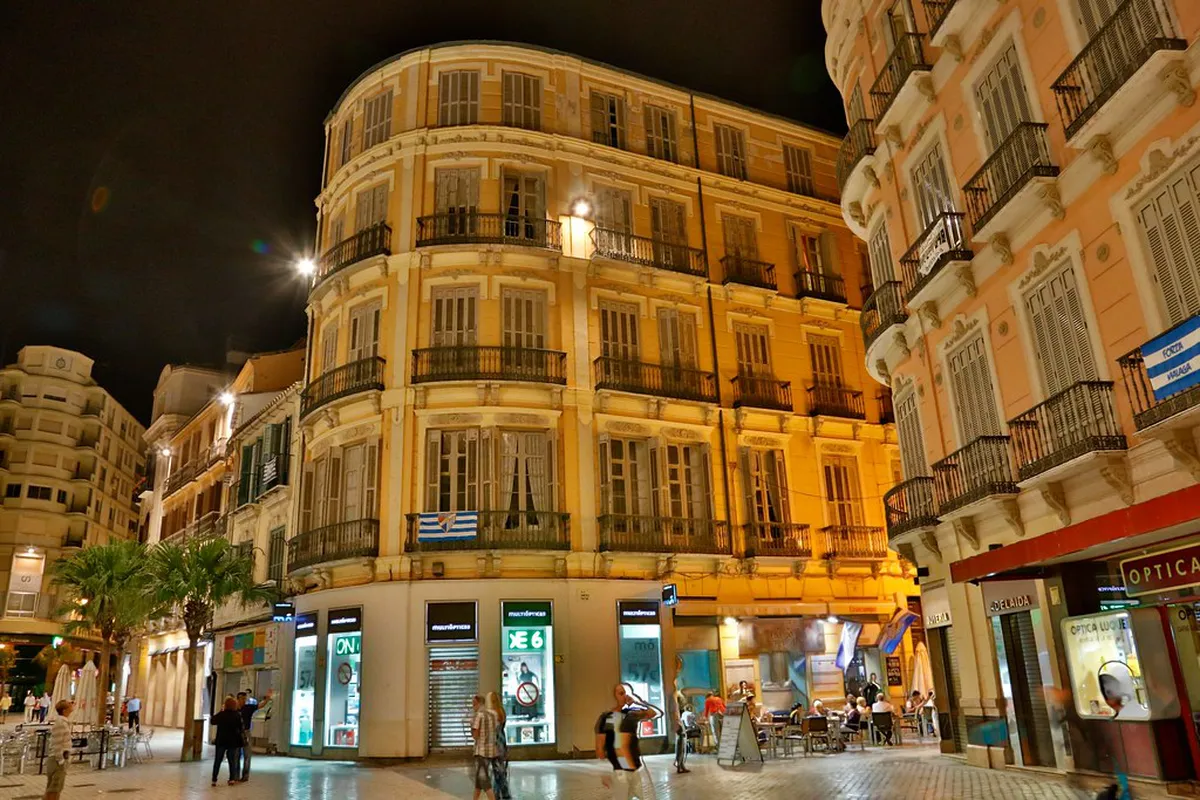
Table of Contents
Explore Málaga Old Town's Rich Architectural History
Málaga Old Town is a true architectural treasure. It showcases centuries of history within its ancient walls. Walking these streets feels like stepping back in time. You will discover a fascinating blend of cultures and styles. This guide helps you explore Málaga Old Town architecture in 2025. Prepare for an unforgettable journey through history and design. Learn more about the rich Málaga architecture guide here. Exploring the narrow streets of Old Town reveals hidden gems.
Roman Roots and Ancient Foundations
Málaga's history stretches back to Roman times. The city was once a vital port, Malaca. You can still see significant Roman structures today. These ancient foundations shaped the Old Town's early layout.
The most prominent example is the Roman Theatre. It sits at the foot of the Alcazaba fortress. This theatre was uncovered only in 1951. It offers a unique glimpse into Málaga's past. Visitors can explore it for free throughout 2025. Discover more about the Roman Theatre's history in Málaga. This site provides excellent learning opportunities.
Nearby, elements of a Roman forum might lie hidden. These ancient structures provided civic life. They tell stories of daily life in Roman Malaca. Imagining gladiatorial contests here is easy. You can also find other free architecture sites in Málaga worth visiting.
Moorish Legacy: Alcazaba and Gibralfaro
The Moorish period left an undeniable mark on Málaga. This era began in the 8th century AD. It lasted for over 700 years. Moorish architecture brought intricate designs and lush gardens.
The Alcazaba fortress is a prime example. It is a stunning palatial fortification. This structure served as both a palace and a defensive stronghold. Intricate courtyards and tranquil fountains abound. Explore its detailed Alcazaba architecture for hours. Entry fees are typically around €3.50 as of 2025.
Perched above the Alcazaba is Gibralfaro Castle. A walled passageway connects both sites. The castle offers panoramic views of Málaga. It also protected the city from invaders. Its robust walls highlight its military purpose. Delve into the Gibralfaro Castle's architecture for stunning vistas. Learn more about the broader Moorish architecture in Málaga.
Both sites showcase intricate details. These include horseshoe arches and geometric patterns. These elements are characteristic of Moorish design. They create a truly immersive historical experience.
Renaissance and Baroque Splendor: Málaga Cathedral
After the Christian Reconquista, new styles emerged. Renaissance and Baroque architecture flourished. The Málaga Cathedral stands as a magnificent testament to this era. Its construction spanned over 250 years.
The Cathedral is famously known as "La Manquita." This translates to "the one-armed lady." Its south tower remains unfinished today. This unique feature adds to its charm and legend. Discover the full Málaga Cathedral architectural style.
Its grand facade blends Renaissance purity with Baroque ornamentation. Inside, soaring ceilings and intricate altarpieces captivate. A modest entry fee of about €8 is typical for 2025. This includes access to the museum.
Near the Cathedral, you will find the Palacio Episcopal. This Bishop's Palace boasts an impressive Baroque facade. It complements the Cathedral's grandeur beautifully. Its pink marble entrance is particularly striking. Take a guide to the Palacio Episcopal. Many other examples of Baroque architecture in Málaga are present.
Exploring Old Town's Charming Streets and Plazas
🎯 Insider Tip: Discover the best Madrid experiences with Viator Tours!
Beyond major landmarks, Málaga Old Town charms visitors. Its narrow, winding streets are delightful. These ancient pathways tell stories of centuries past. They invite you to wander and explore.
Plaza de la Constitución is the heart of the Old Town. It is surrounded by elegant buildings. This historic square hosts many city events. Its architecture reflects various periods. You will find grand facades from different centuries. Explore more historic plazas in Málaga.
Traditional houses line these bustling streets. Many feature charming iron balconies. You might spot Andalusian patios hidden behind doors. These private courtyards offer cool retreats. They are typical of the region's climate. Observing these architectural details in Málaga is a treat.
Modern life blends seamlessly with history here. Chic boutiques sit beside ancient taverns. This creates a vibrant atmosphere. The blend ensures there is always something new to discover. Enjoy the lively energy of Málaga Old Town.
Frequently Asked Questions
What is the oldest architecture you can find in Málaga Old Town?
The oldest visible architecture belongs to the Roman period. The Roman Theatre is a prime example. It dates back to the 1st century AD. This ancient structure forms a cornerstone of the city's history.
Where can I see Mudejar style in Málaga Old Town?
Mudejar style is evident in many older buildings. You can see it particularly in the Alcazaba. Look for brickwork, decorative ceilings, and plasterwork. Some churches also incorporate Mudejar elements in Málaga. These designs combine Moorish and Christian influences.
Are there guided tours for Málaga's historic architecture?
Yes, many guided tours are available. These tours focus on Málaga's rich history. They cover Roman, Moorish, and Christian influences. Booking a Málaga architecture walking tour is recommended. It offers deeper insights and hidden gems.
Málaga Old Town architecture tells a captivating story. From Roman foundations to Baroque grandeur, it's a journey. Every street corner reveals a new historical layer. Plan your visit to explore these wonders in 2025. Discover the true essence of this Spanish gem. Consider taking a walking tour for a deeper understanding.
Key Takeaways
💡 Pro Tip: Book your Madrid adventures in advance through Viator for the best deals!
- Málaga Old Town boasts diverse architectural styles.
- The Roman Theatre offers a glimpse into ancient history.
- The Alcazaba and Gibralfaro showcase stunning Moorish design.
- Málaga Cathedral is a masterpiece of Renaissance and Baroque.
- Wander the charming streets and plazas for hidden architectural gems.