
Moorish Architecture in Málaga: A Fascinating Guide
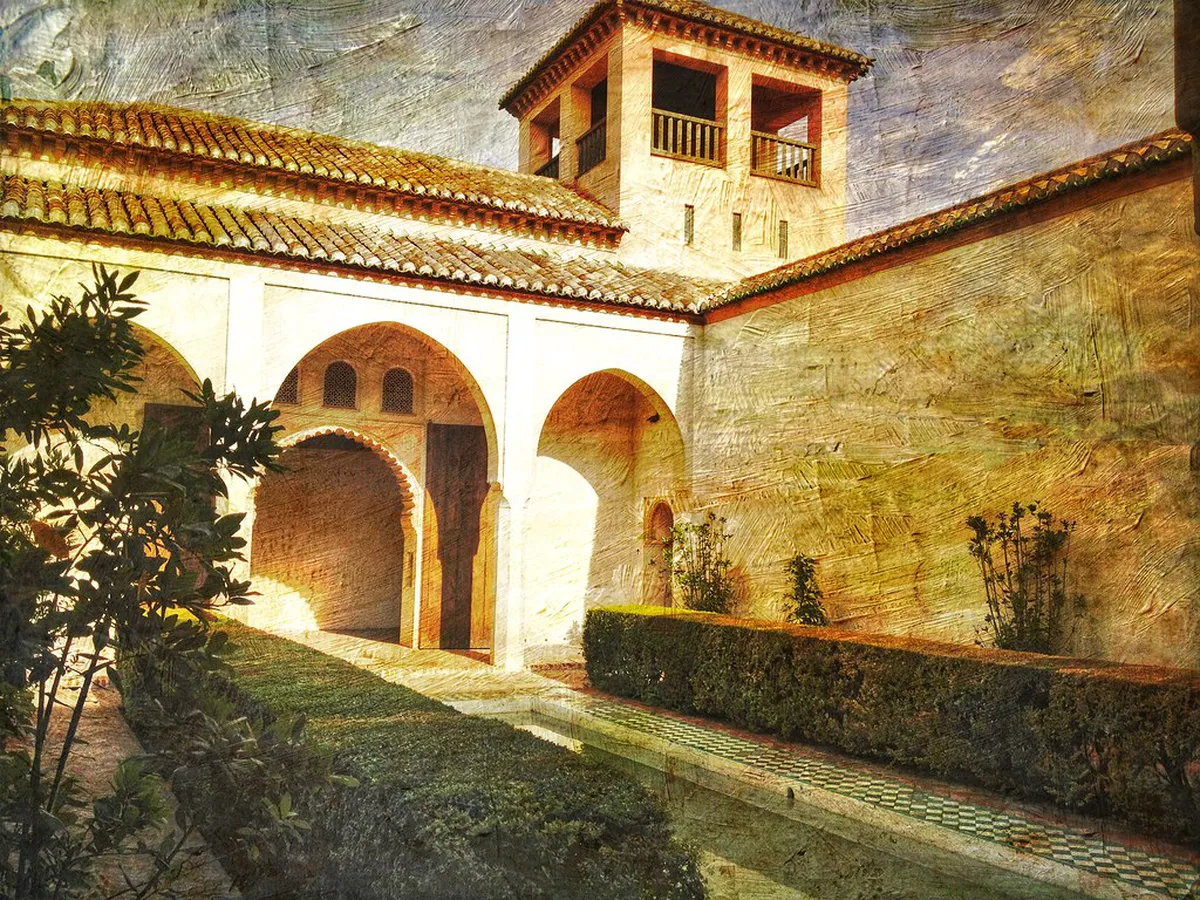
Table of Contents
Discovering Moorish Architecture in Málaga: A Complete Guide
Málaga, a vibrant coastal city, boasts a rich historical tapestry. Its architecture reflects centuries of diverse cultural influences. Among these, the captivating Moorish architecture in Málaga stands out. This guide will explore its most stunning examples for your 2025 visit.
The Nasrid dynasty left an indelible mark on the city. You will discover intricate designs and elegant structures. These buildings offer a glimpse into a bygone era. Prepare to be amazed by Málaga's unique architectural heritage.
The Magnificent Alcazaba: Málaga's Moorish Gem
The Alcazaba is Málaga’s most iconic Moorish fortress. It served as a palace and a defensive stronghold. Construction began in the 11th century. This impressive site showcases classic Islamic design principles.
Visitors can explore its beautiful courtyards and lush gardens. Elaborate water features cool the air. Ornate horseshoe arches define many doorways. The Alcazaba is a true marvel of Moorish architectural prowess.
Entry fees are around €3.50 for adults in 2025. Reduced prices apply for children and seniors. It is open daily, but check specific seasonal hours. Allow at least two hours to fully appreciate its grandeur.
Take a leisurely stroll through its ancient pathways. The detailed stucco work is breathtaking. You will find incredible views over the city and port. This site is essential for understanding Moorish history in Málaga.
Gibralfaro Castle: A Strategic Moorish Fortress
Perched atop Mount Gibralfaro, the castle offers stunning panoramic views. It connects directly to the Alcazaba via a walled corridor. This fortress was built in the 14th century. Its primary role was to protect the Alcazaba.
The castle's design is purely defensive. Its sturdy walls and watchtowers remain imposing. While less ornate than the Alcazaba, its history is rich. Explore the battlements and old military barracks.
A combined ticket for the Alcazaba and Gibralfaro Castle costs approximately €5.50. You can reach it by foot, bus, or taxi. The walk up can be steep but rewarding. Wear comfortable shoes for exploring.
From the castle, you can imagine ancient battles. The views stretch across the Mediterranean Sea. It is a powerful reminder of Málaga's strategic importance. This site complements your understanding of Moorish defenses.
Mudejar Style: Enduring Moorish Influence in Málaga
After the Christian Reconquista, Moorish craftsmanship persisted. This blend created the unique Mudejar style. It combines Islamic and Christian architectural elements. You can see it in many churches and civil buildings.
Mudejar features include brickwork, geometric patterns, and intricate ceilings. Look for these details around Málaga's Old Town. This style represents a cultural fusion. It is a testament to the skilled Moorish artisans.
Notable examples can be found in some church towers. Even some private residences show Mudejar influences. The Mudejar style in Málaga offers subtle beauty. It provides a deeper appreciation of the city's past.
Consider joining a Málaga architecture walking tour. A guide can point out hidden Mudejar gems. This style highlights the lasting legacy. Moorish influence shaped Málaga's identity for centuries.
Key Features of Moorish Architectural Design
⭐ Recommendation: Don't miss out on amazing Madrid tours - book now!
Moorish architecture is distinct and beautiful. It emphasizes harmony, geometry, and intricate decoration. Understanding these features enhances your visit. Look for them in Málaga's historic buildings.
Horseshoe arches are a hallmark of Moorish design. They are often seen in doorways and windows. Calligraphy and arabesques decorate walls and ceilings. These intricate patterns avoid human figures.
Water features like fountains and reflecting pools are common. They provide both beauty and practical cooling. Courtyards offer private, serene spaces. The use of vibrant tiles, or zellij, adds color. Discover more about the key features of Moorish design in Málaga.
These elements create a sense of paradise. They blend nature with architectural brilliance. Notice the way light interacts with the patterns. This attention to detail makes Moorish design truly unique.
Discovering More Moorish Traces in Málaga
Beyond the major landmarks, Moorish heritage lingers. Explore the winding streets of the city center. Many street names hint at an Arabic past. Discovering these elements is part of the charm.
The city's urban planning often reflects ancient layouts. Small plazas and narrow alleys retain their character. Visit the Atarazanas Market. Its stunning Moorish arch is a historic remnant. It once belonged to a Nasrid shipyard.
While not purely Moorish, the old city walls show influence. Some segments incorporate earlier Islamic foundations. Look for these subtle clues everywhere. They tell a continuous story of occupation and adaptation.
For a deeper dive, explore Málaga's hidden architectural gems. You might find remnants in private patios or courtyards. The fusion of styles makes Málaga a fascinating city. Seek out the less obvious examples of Moorish influence.
Frequently Asked Questions
What are the most important examples of Moorish architecture in Málaga?
The Alcazaba is undoubtedly the most significant example. Its intricate details and grand scale are remarkable. Gibralfaro Castle also represents a crucial Moorish defensive structure. These two sites offer deep insight into the period.
Can I visit Moorish sites for free in Málaga?
Most prominent Moorish sites, like the Alcazaba, require an entrance fee. However, you can appreciate exterior architecture for free. Walking through the Old Town reveals many Mudejar-influenced buildings. Explore free architecture sites in Málaga for more options.
What is the best time to explore Málaga's Moorish heritage?
Spring (April-May) and Fall (September-October) offer pleasant weather. Temperatures are comfortable for walking and exploring outdoors. Avoiding peak summer heat means more enjoyable visits. These seasons also feature fewer tourist crowds.
How long should I spend at the Alcazaba and Gibralfaro Castle?
Plan for at least two hours at the Alcazaba. Add another 1.5 to 2 hours for Gibralfaro Castle. If you appreciate architectural details, allocate more time. The combined visit can easily take half a day.
What is the Mudejar style and how does it relate to Moorish architecture?
Mudejar is a style developed after the Reconquista. It blends Islamic art and architecture with Christian forms. It shows the lasting influence of Moorish artisans. You can see it in specific decorative elements.
Málaga’s Moorish architecture provides a captivating journey through time. From the grandeur of the Alcazaba to subtle Mudejar details, history truly comes alive. Plan your 2025 trip to immerse yourself in these ancient wonders. Discover the enduring legacy that shaped this beautiful Spanish city. Start your architectural adventure in Málaga's Old Town today.
Key Takeaways
- Prioritize visiting the Alcazaba and Gibralfaro Castle for core Moorish experiences.
- Look for Mudejar elements in churches and older buildings in Málaga's city center.
- Understand key Moorish design features like horseshoe arches and geometric patterns.
- Allocate sufficient time (half a day) to fully explore the main fortresses.
- Consider a walking tour to discover less obvious but equally fascinating traces.