
Roman Theatre Málaga: A Deep Dive into Ancient History
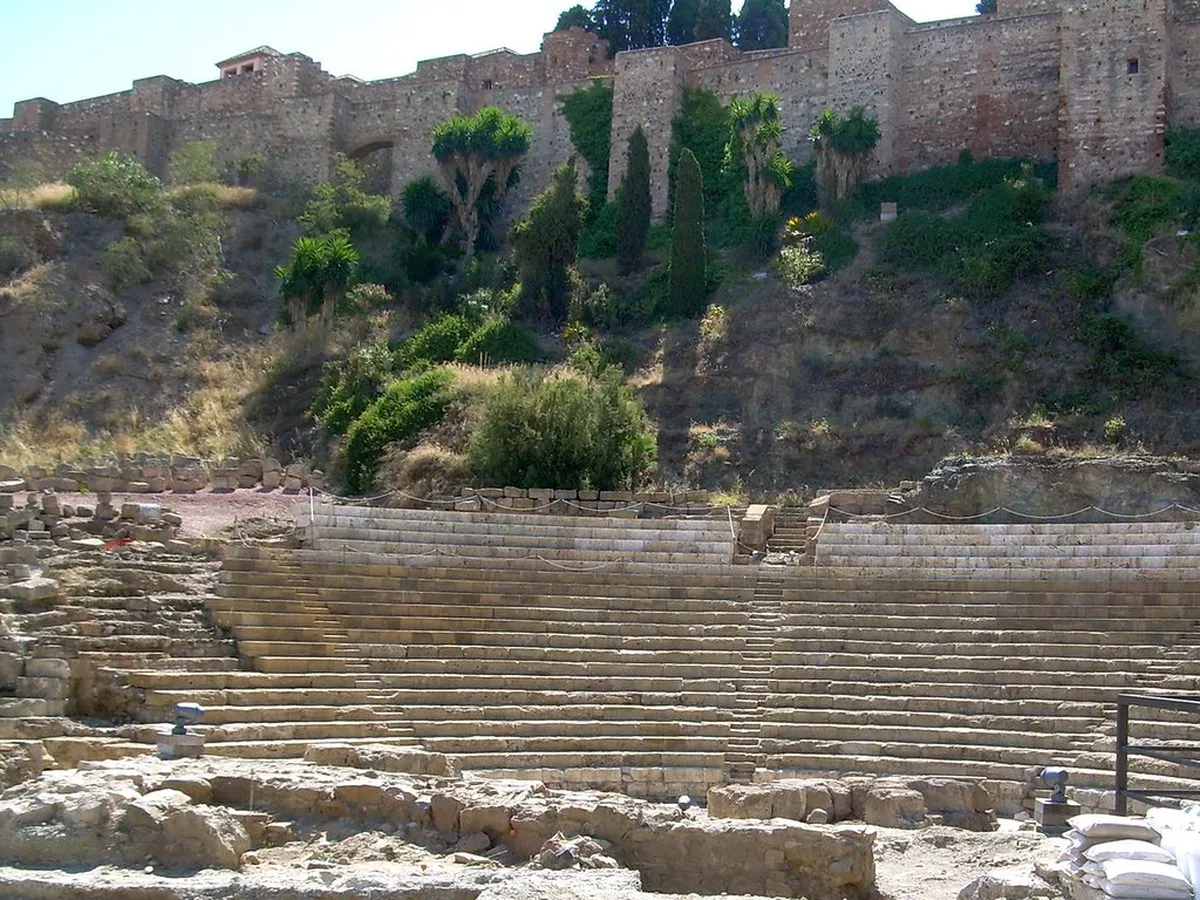
Table of Contents
Unveiling the Roman Theatre in Málaga: Ancient History Explored
Málaga, a vibrant city in Spain, holds incredible ancient treasures. One such marvel is the Roman Theatre, nestled at the foot of the Alcazaba. Its compelling Roman theatre Málaga history draws countless visitors each year. This guide will explore its origins, discovery, and what makes it special. Prepare to uncover layers of fascinating past. You can learn more about Málaga's diverse architectural styles here.
This impressive structure provides a glimpse into Roman life in ancient Malaca. The theatre offers a unique connection to a powerful empire. It serves as a reminder of Málaga's long and varied heritage. Explore more about the city's historic plazas for a full experience.
A Glimpse into Roman Malaca: Origins and Construction
The Roman Theatre in Málaga dates back to the 1st century BC. Emperor Augustus commissioned its construction. It served as a vital cultural hub for the city of Malaca. This period marked a flourishing era for Roman Hispania.
The theatre was in use until the 3rd century AD. Its design reflects typical Roman engineering prowess. Spectacles and performances entertained thousands here. It stands as a testament to Rome's strong presence in the region.
Roman urban planning often included grand public buildings. The theatre was a key part of Malaca's civic center. Its strategic location near the port was also important. This allowed for easy access for citizens and merchants alike.
Málaga’s Roman past is deeply embedded in its urban planning history. The theatre showcases the advanced construction techniques of the time. You can still see original materials like marble and local stone. These elements tell a story of ancient craftsmanship and resources. Understand the architectural features of Málaga's Roman Theatre for a deeper appreciation.
The Remarkable Rediscovery of Málaga's Roman Theatre
For centuries, the Roman Theatre remained buried. It lay hidden beneath layers of history and subsequent buildings. Its existence was largely forgotten by modern Málaga. This changed dramatically in the 20th century.
The theatre’s astonishing rediscovery occurred in 1951. Workers were preparing to build a cultural center. They unearthed the first remnants of ancient stone. This accidental find sparked immense archaeological interest.
The discovery led to extensive excavation work. Archaeologists carefully removed layers of earth and structures. It took decades to fully reveal the theatre’s impressive scale. This meticulous process brought ancient Malaca back to light.
The adjacent Alcazaba complex itself has Moorish roots, built centuries later. Its construction likely reused some Roman materials. Learn more about how the Roman Theatre was discovered. The site is a powerful example of architecture preservation in Málaga. It highlights continuous efforts to protect historical treasures.
Architectural Layout and Features of the Ancient Stage
The Roman Theatre follows a classic semi-circular design. It originally seated around 2,000 spectators. The tiered seating area is known as the cavea. It was carved partly into the hillside for stability.
Key parts include the orchestra, stage (proscenium), and scenic building (scaenae frons). The orchestra was the semi-circular area in front of the stage. Important dignitaries likely sat here during performances. These architectural elements are well-preserved.
The materials used were predominantly local limestone and marble. Some original decorative elements are still visible. These provide clues about its former grandeur. Imagine the vibrant colors and detailed carvings.
The theatre's proximity to the Alcazaba offers a striking contrast. It showcases different periods of Málaga's past. The Roman Theatre features distinct architectural features. The nearby Málaga Alcazaba's architecture is equally fascinating. Both sites offer a journey through time.
The Roman Theatre Today: Visiting in 2025
⭐ Recommendation: Don't miss out on amazing Madrid tours - book now!
Today, the Roman Theatre is a popular tourist attraction. It stands proudly in Málaga's city center. Visitors can explore the ruins and interpretative center. The entrance is free, making it accessible to all.
The site is open most days, with varied hours depending on the season. In 2025, expect summer hours to be longer. Always check the official website for current timings. This ensures you plan your visit effectively.
You can walk around the cavea and imagine ancient performances. The interpretative center provides historical context. It showcases artifacts and explanations of the theatre's function. This enhances your understanding of its significance.
The theatre also hosts occasional open-air performances. Attending one offers a truly unique experience. It brings the ancient stage back to life. Consider a Málaga architecture walking tour to include this site. Discover other free architecture sites in Málaga during your visit.
Practical Tips for Your Visit to Málaga's Roman Theatre
Plan to spend about 30-60 minutes exploring the theatre. The interpretative center is a must-see. It provides valuable insights into Roman Malaca. Wear comfortable shoes for walking around the ancient stones.
The best time to visit is during the cooler mornings or late afternoons. Málaga summers can be very hot. Spring and autumn offer pleasant weather. These seasons are ideal for outdoor exploration.
The theatre is easily accessible by public transport or on foot. It is located just off Calle Alcazabilla. Many other attractions are nearby. This makes combining visits simple and convenient.
Entry to the Roman Theatre is completely free of charge. The interpretative center also offers free admission. This allows everyone to enjoy this historical gem. Explore the charming Málaga Old Town architecture nearby. For stunning cityscapes, check out rooftop views of Málaga after your visit.
Frequently Asked Questions
How old is the Roman theatre in Málaga?
The Roman Theatre in Málaga dates back to the 1st century BC. Emperor Augustus's reign initiated its construction. It was actively used for several centuries. This makes it over 2,000 years old.
What was the Roman theatre used for?
The theatre served as a central venue for public entertainment. Plays, speeches, and various performances took place here. It was a vital part of Roman social and cultural life. This included dramatic arts and civic assemblies. Find more about Málaga's rich history in its diverse buildings.
Can you visit the Roman theatre for free?
Yes, visiting the Roman Theatre in Málaga is completely free. Both the outdoor ruins and the interpretative center offer free admission. This provides a great opportunity for budget travelers. It's an accessible piece of Málaga's history for everyone.
The Roman Theatre in Málaga offers a powerful connection to the past. Its remarkable history, from construction to rediscovery, captivates visitors. This ancient site provides a unique window into Roman life. Make sure to include it in your 2025 travel plans.
Experiencing this historical monument is truly unforgettable. It stands as a testament to Málaga's enduring heritage. Plan your visit to witness this ancient grandeur firsthand. Explore more fascinating sites at ArchitectTourist.com. Capture its beauty with these Málaga architecture photography tips.
Key Takeaways
💡 Pro Tip: Book your Madrid adventures in advance through Viator for the best deals!
- Visit the Roman Theatre for free to experience ancient Málaga history.
- Allow 30-60 minutes to explore the ruins and the informative interpretative center.
- Combine your visit with the Alcazaba nearby for a comprehensive historical journey.