
Palacio Episcopal Málaga Guide: History & Architecture in 2025
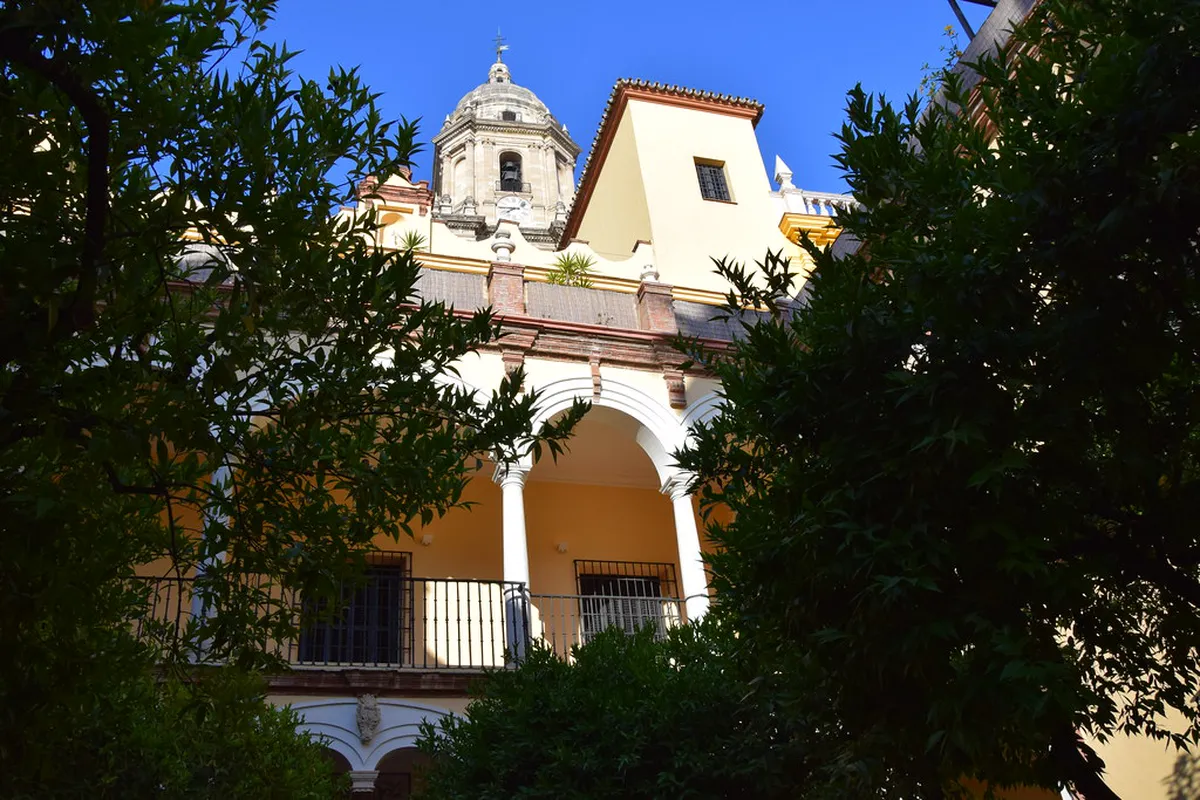
Table of Contents
Explore the Stunning Palacio Episcopal Málaga
Welcome to Málaga, a city rich in history and stunning architecture. Our Palacio Episcopal Málaga guide will explore this magnificent landmark. This Baroque palace stands proudly in the heart of the city. It offers a glimpse into centuries of religious and artistic heritage. Prepare to discover its incredible details and fascinating past. Explore more of the city's Malaga architecture during your visit.
A Glimpse into the Palacio Episcopal Málaga's History
The Palacio Episcopal's story began in the 18th century. Bishop José Franquis Lasso de la Vega commissioned its construction. He envisioned a grand residence for Málaga's bishops. Building efforts spanned several decades. The site was once part of earlier structures.
Construction started in 1762, reaching completion in 1787. Architect Antonio Ramos designed much of its exterior. His work gave the palace its iconic Baroque appearance. It has served as the Bishop's official residence ever since. This historical continuity is quite remarkable.
Throughout its history, the palace witnessed many key events. It survived wars and political changes in Málaga. The building reflects the city's enduring religious importance. It stands as a testament to its past. Delve deeper into the religious architecture in Malaga.
Restoration work has preserved its beauty for generations. Visitors today can appreciate its original grandeur. The palace remains a living piece of history. Its walls hold countless stories. It continues to inspire awe in all who see it.
Unveiling the Baroque Facade of the Palacio Episcopal Málaga
The palace’s most striking feature is its magnificent facade. It faces the bustling Plaza del Obispo. This facade showcases prime examples of 18th-century Baroque design. Its vibrant pink and grey marble truly stand out. The intricate details demand closer inspection.
Three distinct bodies make up the facade's structure. The central section is particularly ornate. It features a grand main doorway. Above this, an impressive balcony overlooks the plaza. This balcony is supported by decorative corbels. The overall symmetry creates a powerful visual impact.
Sculptural elements adorn the facade extensively. Statues of saints like San Ciriaco and Santa Paula are prominent. These figures symbolize Málaga's patron saints. Intricate carvings of cherubs and floral motifs enhance the design. Learn more about Baroque architecture in Malaga here.
The palace's exterior is a masterpiece of craftsmanship. It represents the height of Baroque artistry in Andalusia. The use of varied textures adds depth and drama. Its detailed ornamentation tells a rich visual story. Discover more by analyzing the Baroque facade of the palace.
Inside the Palacio Episcopal Málaga: What to See
While the facade captivates, the interior holds its own charms. Visitors can explore various areas of the palace. The main courtyard is often accessible. It features elegant arcades and a peaceful atmosphere. This space provides a welcome respite from city noise.
Beyond the courtyard, a grand staircase leads to upper floors. This staircase often displays beautiful art and intricate ironwork. Some rooms are open for temporary art exhibitions. These exhibitions often highlight local and regional artists. Check the official schedule for current displays.
The palace houses significant religious art and artifacts. You might see vestments, chalices, and historic documents. These items offer insight into the diocese's heritage. Not all sections are open to the public daily. However, special tours are sometimes available. Find out more about what to see inside Episcopal Palace.
During your 2025 visit, check for specific opening times. Some parts function as administrative offices. Always respect the ongoing work inside. The quiet elegance of its interiors contrasts with the bustling exterior. It provides a unique cultural experience.
Planning Your Visit: Location and Practical Tips for Palacio Episcopal Málaga
🌟 Local Expert Tip: Get the most out of your Madrid visit with guided tours!
The Palacio Episcopal Málaga is centrally located. You will find it at Plaza del Obispo, s/n. It sits directly opposite the Málaga Cathedral. This makes it an easy addition to any Málaga architecture walking tour. Public transport links are excellent.
Opening Hours (subject to change in 2025):
- Tuesday to Saturday: 10:00 AM - 1:30 PM and 5:00 PM - 8:00 PM
- Sunday: 10:00 AM - 1:30 PM
- Monday: Closed
These times generally apply to exhibition spaces. Always verify before your visit. Admission fees vary depending on current exhibitions. Expect a small fee, typically under 5 euros. Discounts may apply for seniors or students.
Combine your visit with other nearby attractions. The Málaga Cathedral is just across the plaza. The Roman Theatre and Alcazaba are also a short walk away. This historic area is perfect for exploring on foot. Don't forget to visit historic plazas in Malaga for more charm.
Consider visiting during the cooler months. Spring (April-May) and Fall (September-October) offer pleasant weather. Summer can be very hot and crowded. Arrive early to avoid larger groups. This allows for a more peaceful experience.
The Palacio Episcopal Málaga's Role in Modern-Day Málaga
Today, the Palacio Episcopal continues its historical function. It serves as the official residence and office for the Bishop of Málaga. It is still a vital center for the diocese. Its presence anchors the religious life of the city. The palace maintains its significant cultural role.
Beyond its religious duties, the palace often hosts cultural events. Art exhibitions are frequently held in its dedicated spaces. These events attract both locals and tourists. They enrich Málaga's vibrant cultural scene. Check local listings for upcoming shows.
The palace's location on Plaza del Obispo is iconic. This plaza is a key gathering point. It offers beautiful views of the Cathedral. The area buzzes with activity, especially in the evenings. It remains a focal point for city life.
Its architectural grandeur contributes significantly to Málaga's identity. It is a treasured landmark for residents. It inspires appreciation for historical preservation. The palace truly embodies the spirit of Malaga old town architecture. Its beauty continues to draw visitors from around the globe.
Frequently Asked Questions
What architectural style is the Palacio Episcopal Málaga?
The Palacio Episcopal Málaga primarily features the Baroque architectural style. It showcases late 18th-century design elements. Antonio Ramos was a key architect in its creation. Its ornate facade is a prime example of this style. Discover more about architectural details in Malaga.
Can visitors enter the Palacio Episcopal Málaga in 2025?
Yes, parts of the Palacio Episcopal Málaga are open to the public. These areas usually include courtyards and exhibition spaces. The official bishop's residence remains private. Always check the current opening hours and any potential fees. These details can change throughout 2025.
What is the historical significance of the Palacio Episcopal Málaga?
The Palacio Episcopal Málaga is historically significant. It has served as the Bishop's residence since the 18th century. It represents Málaga's long-standing religious heritage. The palace reflects the city's artistic and political past. It is a testament to enduring faith and grandeur. Explore more hidden architectural gems in Malaga.
The Palacio Episcopal Málaga stands as a beacon of history and art. Its stunning Baroque facade truly defines the Plaza del Obispo. Visiting this palace offers profound insight into Málaga's past. We encourage you to explore its grandeur firsthand. Plan your 2025 trip to discover this architectural masterpiece. Start your adventure with Architect Tourist for more inspiration!
Key Takeaways
- The Palacio Episcopal Málaga boasts an exquisite 18th-century Baroque facade.
- Parts of the palace, including exhibition spaces, are open to the public in 2025.
- It is centrally located in Plaza del Obispo, perfect for combining with other historic sites.