
Málaga's Sacred Sites: A Guide to Religious Architecture
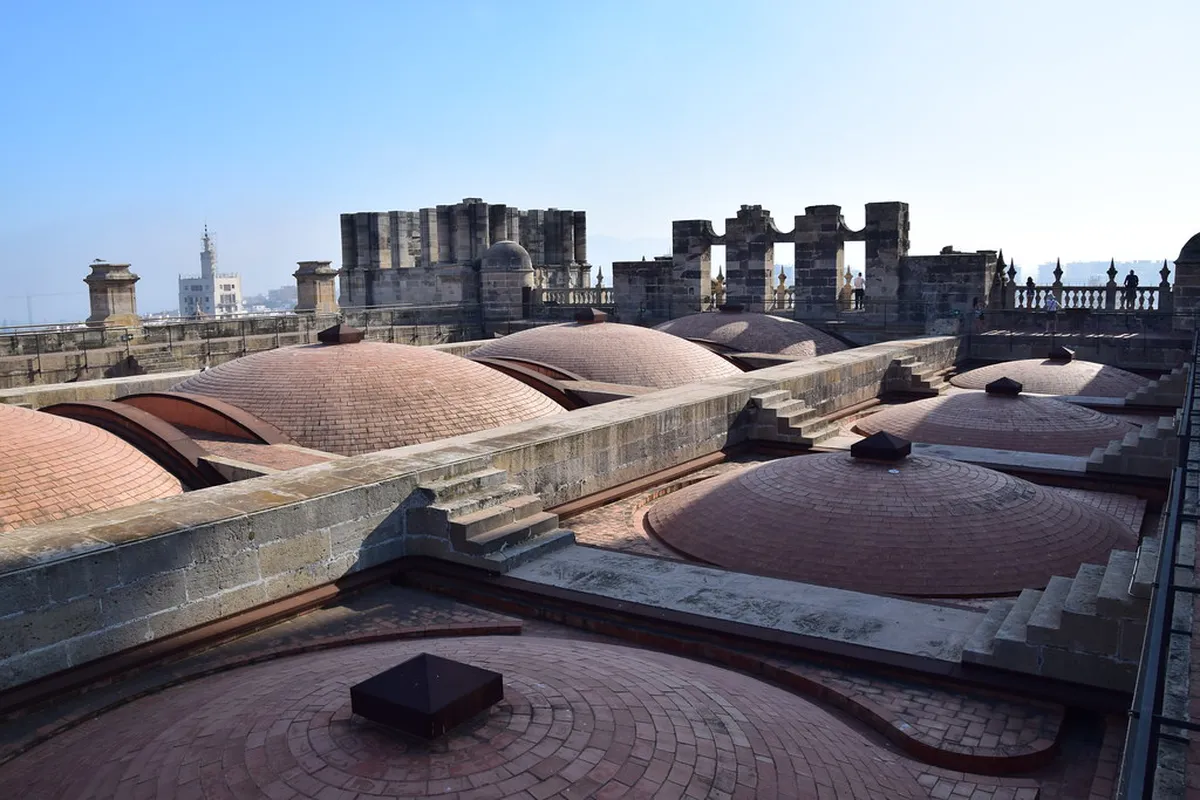
Table of Contents
Exploring Málaga's Spiritual Heritage: Religious Architecture
Málaga offers a captivating journey through centuries of history. Its rich past is clearly visible in the city's diverse architectural landscape. This guide explores the remarkable religious architecture in Málaga, from grand cathedrals to hidden chapels. Prepare to be amazed by the intricate details and varied styles on display. The Old Town itself is a treasure trove of spiritual buildings. Join us to uncover the spiritual heart of this beautiful Andalusian city in 2025.
Málaga Cathedral: A Renaissance and Baroque Gem
The Cathedral of Málaga stands as an iconic landmark. Locals lovingly call it "La Manquita," meaning "the one-armed lady." This name refers to its unfinished south tower. Construction began in 1528 on the site of a former mosque.
Its architectural style is a stunning mix of Renaissance and Baroque. The main façade showcases incredible Baroque carvings. Inside, you will find beautiful choir stalls by Pedro de Mena. The detailed altarpieces are truly magnificent.
Admission costs around 8-10 euros for adults. Hours vary but are typically 10:00 AM to 6:00 PM. Always check the official website for current timings. The entrance is located at Calle Molina Lario, 9. Explore the Malaga Cathedral's architectural style in depth.
The interior offers a peaceful atmosphere for reflection. Don't miss the small museum within the cathedral. It displays various religious artifacts. Climb the North Tower for panoramic city views. This experience costs an extra fee. It is well worth it for the perspective.
Moorish Echoes: Traces of Islamic Faith
Málaga was under Moorish rule for almost eight centuries. This era significantly shaped the city's character. While no ancient mosques remain intact, their influence persists. The site of the current cathedral once housed the city's Great Mosque.
Moorish architectural elements can be seen in later Christian buildings. These include horseshoe arches and geometric patterns. The Alcazaba fortress shows intricate Islamic design. Although a palace, its aesthetics influenced religious structures. Learn more about Moorish architecture in Málaga.
The city's urban layout also reflects its Islamic past. Narrow, winding streets characterize the old town. This design provided shade and defense. It encourages discovery around every corner. Explore the Alcazaba's impressive architecture. The city's history is deeply woven into its very foundations.
Baroque Splendor in Churches and Chapels
The Baroque period brought ornate and dramatic styles to Málaga. Churches built during this era feature lavish decorations. Elaborate altarpieces and gilded interiors are common. These designs aimed to inspire awe and devotion.
The Iglesia de los Mártires is a prime example. Its 15th-century origins were later transformed with Baroque details. The church is dedicated to Málaga’s patron saints. Discover more about Málaga's historic churches. Its façade and main altar are particularly striking.
Another significant site is the Iglesia del Sagrado Corazón. This church showcases beautiful Neo-Gothic architecture. While not strictly Baroque, it highlights diverse religious styles. Many smaller chapels throughout the city also display Baroque elements. The Palacio Episcopal, though secular, shares this rich artistic heritage. Its façade is a magnificent example of Baroque design.
Mudejar Style: A Unique Cultural Fusion
💡 Pro Tip: Book your Madrid adventures in advance through Viator for the best deals!
The Mudejar style represents a fascinating architectural blend. It emerged after the Christian Reconquista of Spain. This style combines Islamic and Christian artistic traditions. Mudejar artisans were often Muslim. They continued to work under Christian rule. They adapted their techniques to new religious contexts.
Key Mudejar features include brickwork, intricate plasterwork, and wooden ceilings. Geometric patterns are also very prominent. This style is visible in various Málaga churches. The Tower of Iglesia de Santiago is a notable example. It perfectly fuses Gothic and Mudejar elements.
The Iglesia del Sagrario also features Mudejar influences. This is especially true in its beautiful portal. It was built next to the Cathedral. This church offers a unique historical perspective. Explore an architectural guide to Iglesia del Sagrario. The Mudejar style in Málaga provides a tangible link to its multicultural past.
Frequently Asked Questions
What is the main architectural style of Malaga Cathedral?
Málaga Cathedral primarily features a mix of Renaissance and Baroque styles. Its construction spanned over two centuries. This long period resulted in diverse influences. You can observe both grand Renaissance lines and ornate Baroque details. Learn more about Malaga Cathedral's architectural style.
Are there any ancient mosques remaining in Malaga today?
No ancient mosques remain standing in Málaga today. The city's main mosque was replaced by the Cathedral. However, Moorish architectural influence is still evident. It can be seen in the Alcazaba and certain Mudejar structures. Explore Moorish architecture in Malaga to understand its impact.
Which religious sites in Malaga offer free entry?
Many smaller churches and chapels offer free entry. The exterior views of all religious buildings are always free. Entry to the main Cathedral often requires a fee. Some churches might charge for specific exhibitions. Check local guides for free architecture sites.
Málaga's religious architecture beautifully tells its diverse history. From the grand Cathedral to the subtle Mudejar details, each building holds stories. Plan your visit to experience these sacred spaces firsthand in 2025. This city offers deep cultural and architectural insights. Consider taking a Málaga architecture walking tour to discover even more gems. Immerse yourself in Málaga's spiritual heritage.
Key Takeaways
- Málaga Cathedral blends Renaissance and Baroque styles, famously unfinished.
- Moorish influence, though no mosques remain, shaped the city's character and later designs.
- Mudejar style uniquely fuses Islamic and Christian architectural elements.
- Many historic churches offer insights into Baroque and other periods.
- Check specific opening times and entry fees before visiting any religious site.