
Discover Mudejar Architecture in Zaragoza: A Complete Guide
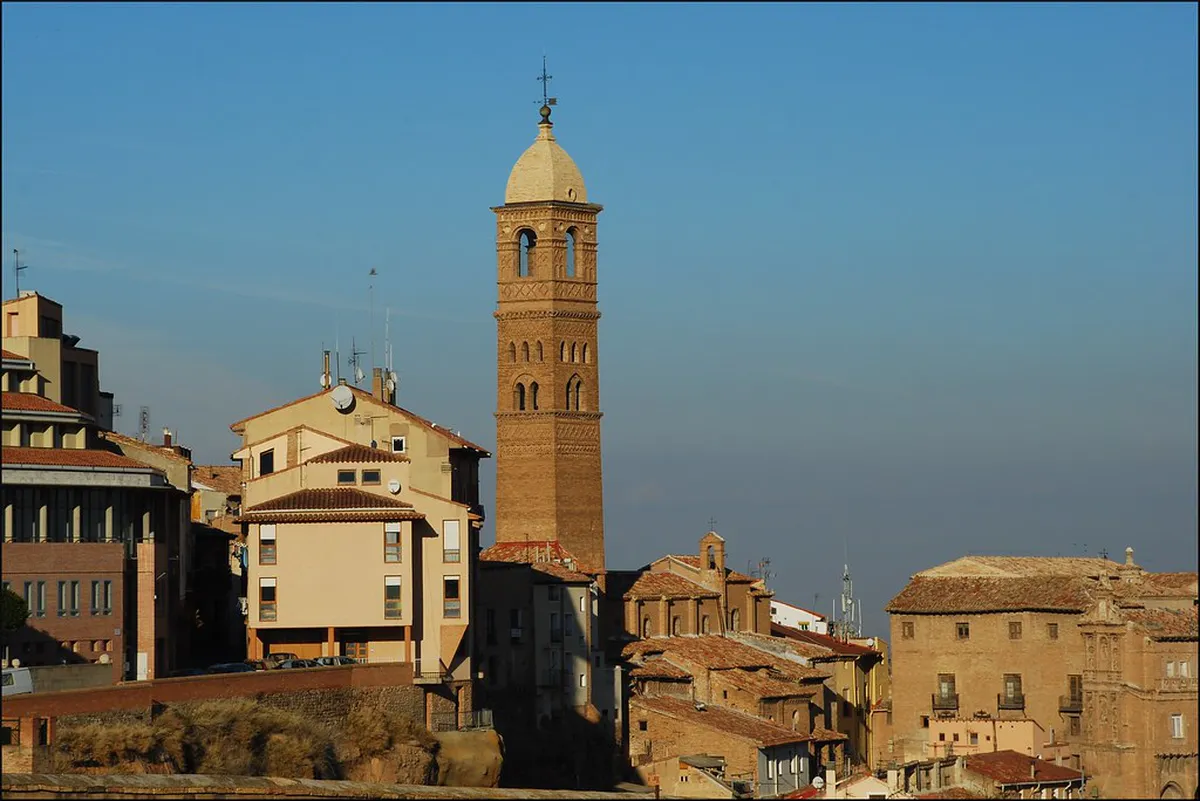
Table of Contents
Explore Unique Mudejar Architecture in Zaragoza
Zaragoza, Spain, holds a spectacular architectural secret. It is home to stunning Mudejar architecture. This unique style blends Christian and Islamic influences. It creates a truly captivating visual experience.
Mudejar art arose during the Reconquista period. Christian rulers embraced Moorish craftsmanship. Zaragoza’s examples are recognized by UNESCO. They showcase this incredible cultural fusion. Learn more about Zaragoza's rich architectural history here.
This guide will help you discover these amazing buildings. We will cover must-see sites and practical tips. Prepare for an unforgettable journey into history. Explore the beauty of Mudejar architecture in Zaragoza.
Understanding Mudejar Architecture in Zaragoza
Mudejar architecture is a distinctive Spanish art form. It developed from the 12th to 16th centuries. Christian builders employed Moorish craftsmen. These artisans brought their unique techniques and designs.
This style blends diverse cultural elements. It merges Islamic, Gothic, and Renaissance influences. Mudejar buildings are truly a testament to coexistence. They reflect a period of rich cultural exchange. Explore the key architectural periods in Zaragoza for context.
Key materials include brick, ceramic tiles, and plaster. Artisans used these to create intricate patterns. These designs often featured geometric motifs and calligraphy. The craftsmanship is simply breathtaking. This makes Mudejar architecture in Zaragoza so special.
Zaragoza's Mudejar sites are a UNESCO World Heritage Ensemble. This recognition highlights their global importance. They offer a rare glimpse into medieval Spain. Their beauty is undeniable for any visitor.
Must-See Mudejar Masterpieces in Zaragoza
The Aljafería Palace is Zaragoza's most iconic Mudejar site. This fortified Islamic palace dates from the 11th century. It later served Aragonese kings. Its stunning courtyards and intricate plasterwork are highlights.
Entry to the palace costs around 5 euros. It is open most days, but check current times for 2025. Guided tours are highly recommended. They provide deeper insights into its rich history. Discover more about Aljafería Palace architecture.
Another jewel is La Seo Cathedral, also known as Catedral del Salvador. Its Mudejar apse and impressive tower are outstanding. The Parroquieta chapel also showcases incredible Mudejar decoration. This blend of styles is remarkable.
Admission to La Seo is typically around 4 euros. It includes access to the tapestry museum. Remember to check opening hours before your visit. The Mudejar elements here are truly captivating. Learn about La Seo Cathedral's unique style.
Don't miss the Mudejar towers of San Pablo and Santa María Magdalena. These churches feature stunning brickwork. Their bell towers are classic Mudejar examples. They contribute significantly to Zaragoza’s skyline. For more religious sites, see our guide to Zaragoza's religious architecture.
Distinctive Mudejar Features to Spot
Identifying Mudejar architecture in Zaragoza is exciting. Look for distinctive brick patterns first. Artisans used brick creatively. They formed geometric shapes and decorative friezes. These designs are highly characteristic.
Next, observe the ornate tilework. Glazed ceramic tiles, or azulejos, adorn many surfaces. They create vibrant, colorful patterns. These add a unique texture and brilliance. You will see these tiles inside and outside buildings.
Intricate plasterwork, or yesería, is another hallmark. Delicate carvings cover walls and ceilings. These often feature floral or calligraphic motifs. The detail is astonishingly precise. This artistry reflects deep Islamic influence.
Horseshoe arches appear frequently in Mudejar structures. These arches are curvilinear and rounded. They are a clear legacy of Moorish design. You can spot them at the Aljafería Palace easily. Learn more about key Mudejar features in Zaragoza.
Look for complex wooden ceilings, known as artesonados. These coffered ceilings are often intricately carved. They demonstrate exceptional carpentry skills. These decorative elements truly elevate the Mudejar style. Discover more about decorative architectural elements.
Planning Your Mudejar Architecture Tour in 2025
🌟 Local Expert Tip: Get the most out of your Zaragoza visit with guided tours!
The best time to visit Zaragoza is spring or fall. From April to June, the weather is mild. September and October also offer pleasant temperatures. These seasons avoid the intense summer heat and crowds. Always check specific holiday hours for 2025.
Consider purchasing a Zaragoza Card for convenience. This card often includes free entry to attractions. It can also cover public transport. It offers great value for architecture enthusiasts.
Booking tickets for major sites in advance is wise. Especially for the Aljafería Palace, pre-booking saves time. Check official websites for updated prices and availability. This ensures a smooth and enjoyable visit.
Many Mudejar sites are within walking distance downtown. Wear comfortable shoes for exploring. A Zaragoza architectural map can be very helpful. Plan your route to maximize your time efficiently.
Guided tours provide valuable context. Local experts can reveal hidden details. They explain the historical significance clearly. Look into booking an architectural tour. This enhances your understanding of Mudejar architecture in Zaragoza.
Beyond the Famous: Discovering Hidden Mudejar Gems
While Aljafería and La Seo are renowned, other sites await discovery. The Church of San Gil Abad boasts a beautiful Mudejar tower. Its brickwork shows stunning geometric motifs. This lesser-known church is worth seeking out.
The tower of San Miguel de los Navarros is another example. It features intricate ceramic decoration. These smaller sites offer a more intimate experience. They often have fewer tourists, too.
Explore the historic quarter's narrow streets. You might find Mudejar elements in private homes. Look for decorative brick facades or tiled courtyards. These historic patios in Zaragoza sometimes reveal Mudejar hints.
Visiting these less prominent sites adds depth to your tour. They showcase the widespread influence of Mudejar craftsmanship. Each discovery enriches your appreciation. Zaragoza truly holds many hidden treasures. Find more hidden architectural gems in Zaragoza.
Remember to respect local residents when exploring. Many of these sites are still active churches. Observe quiet times and dress appropriately. Enjoy the serene beauty of these historical places.
Frequently Asked Questions
How can I easily identify Mudejar architecture in Zaragoza?
Look for specific materials and decorative styles. Mudejar buildings often feature intricate brick patterns. You will see vibrant ceramic tilework and stucco carvings. Horseshoe arches are also a strong indicator. These are key characteristics of the style. Discover more on identifying Mudejar architecture.
What are the best examples of Mudejar style in Zaragoza?
The Aljafería Palace is the premier example. Its intricate details are stunning. La Seo Cathedral also presents magnificent Mudejar elements. The towers of San Pablo and Santa María Magdalena are excellent too. These represent the finest of Mudejar style in Zaragoza.
Is Mudejar architecture in Zaragoza a UNESCO World Heritage site?
Yes, several Mudejar sites in Zaragoza are UNESCO listed. They are part of the 'Mudejar Architecture of Aragon' designation. This includes the Aljafería Palace and La Seo Cathedral. This recognition highlights their outstanding universal value. It ensures their architectural preservation.
Zaragoza offers an unparalleled journey into Mudejar architecture. Its buildings tell a story of cultural fusion. From grand palaces to towering churches, beauty awaits. This unique heritage is truly captivating for all visitors.
Plan your 2025 trip to discover these magnificent sites. Immerse yourself in the history and artistry of Mudejar architecture in Zaragoza. For more travel tips, visit Architect Tourist. Your adventure into Zaragoza’s past begins now!
Key Takeaways
🌟 Local Expert Tip: Get the most out of your Zaragoza visit with guided tours!
- Zaragoza's Mudejar architecture blends Islamic and Christian art.
- Aljafería Palace and La Seo Cathedral are essential visits.
- Look for intricate brickwork, tile patterns, and horseshoe arches.
- Visit in spring or fall for pleasant weather and fewer crowds.
- Consider a guided tour to deepen your understanding of this unique style.