
Your Essential Zaragoza Architectural Map for 2025
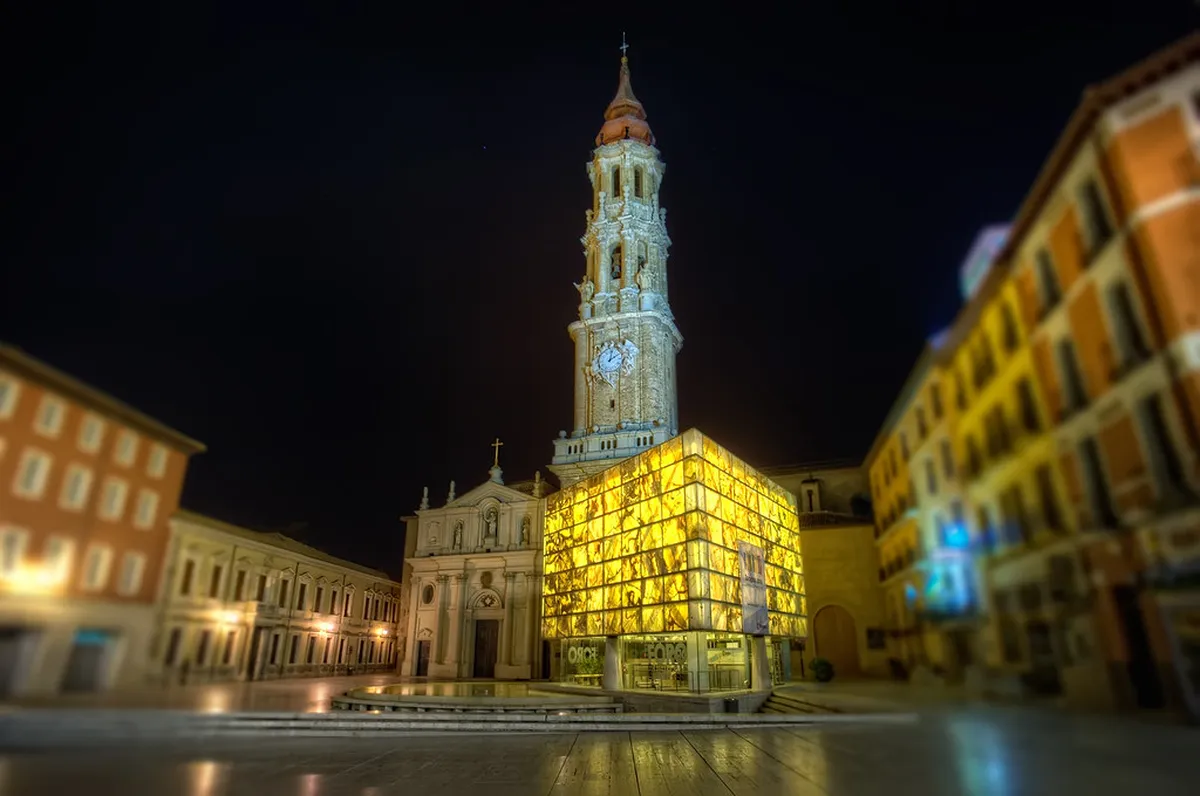
Table of Contents
Explore Zaragoza's Architectural Wonders with Our Map
Zaragoza, Spain, boasts an incredibly rich architectural tapestry. This city offers a captivating journey through time. Our Zaragoza architectural map guides you through its most stunning structures. You will discover ancient Roman ruins to striking modern designs. Prepare to explore this fascinating city's diverse styles.
This comprehensive guide helps you plan your architectural adventure. We provide insider tips and practical information for your 2025 visit. Uncover the beauty of Zaragoza's unique heritage. Begin your exploration of Zaragoza's architectural wonders today.
Tracing Zaragoza's Roman Roots
Zaragoza, known as Caesaraugusta in Roman times, reveals its ancient past clearly. The city center holds significant Roman remains. These historic sites are easy to explore on foot. They provide a foundational layer to the city’s architectural identity.
Start your journey at the Roman Theatre Museum (Calle San Jorge, 12). This impressive site offers a glimpse into Roman entertainment. Entry costs around €4.00 and it opens Tuesday to Sunday. Explore the excavations and museum exhibits to understand its scale.
Nearby, discover the Forum Museum (Plaza de la Seo, 2). It showcases the heart of Roman public life. The port walls museum also offers fascinating insights. Combined tickets are available for all Zaragoza Roman ruins. Consider purchasing a Zaragoza Card for discounts.
These ancient foundations set the stage for later architectural periods. Understanding Roman planning helps appreciate the city's evolution. Don't miss these essential stops on your architectural tour. They are crucial for any Zaragoza architectural map.
Mudejar Masterpieces: A Unique Blend
Zaragoza is a treasure trove of Mudejar architecture. This unique style blends Islamic and Christian artistic traditions. It is a UNESCO World Heritage site, showcasing stunning brickwork and intricate ornamentation. The Mudejar influence is truly distinctive here.
The **Aljafería Palace** (Calle de los Diputados, s/n) is a must-see. This fortified Islamic palace is a masterpiece of Mudejar art. It was built in the 11th century and later expanded. Entry is around €5.00, open daily, check times for 2025. Explore its beautiful courtyards and ornate ceilings, a highlight of any Aljafería Palace visit.
Another prime example is La Seo Cathedral (Plaza de la Seo, s/n). Its exterior features incredible Mudejar elements, including a striking apse. The Bell Tower also showcases this style beautifully. Admission is approximately €7.00. This ticket often includes the Tapestry Museum, making it good value. The La Seo Cathedral style reflects centuries of history.
Many churches throughout Zaragoza also feature Mudejar towers. Look for the Torreón de la Zuda. These structures define the city's skyline. They demonstrate the enduring legacy of this intricate architectural style. Follow our guide to Mudejar architecture in Zaragoza for more details.
Baroque Grandeur and Renaissance Splendor
Zaragoza proudly displays magnificent Baroque and Renaissance buildings. These structures often feature grand facades and opulent interiors. They represent periods of significant wealth and artistic flourishing in the city. Many of these are central to our Zaragoza architectural map.
The **Basilica of Our Lady of the Pillar** (Plaza del Pilar, s/n) dominates the city's main square. It is a stunning example of Baroque architecture. Its domes and towers are instantly recognizable. Entry is free to the main basilica, though the museum and tower have a fee (around €3-4). The Basilica del Pilar exterior is a true spectacle.
For Renaissance style, visit La Lonja de Mercaderes (Plaza del Pilar, s/n). This former commodities exchange now hosts exhibitions. Its elegant columned hall is a highlight. Entry is usually free during exhibition hours. It reflects the mercantile power of Zaragoza. Learn more about La Lonja de Mercaderes style here.
Explore the stunning Renaissance courtyards hidden within noble palaces. The Palacio de los Condes de Morata (Plaza de Santiago, 5) is one such gem. Many palaces have become modern government buildings or cultural centers. Check opening times for interior visits. These periods left an indelible mark on Zaragoza's urban fabric.
Modern Icons: Expo 2008 & Beyond
⭐ Recommendation: Don't miss out on amazing Zaragoza tours - book now!
Zaragoza embraces contemporary architecture alongside its historic past. The city hosted Expo 2008, which brought many innovative structures. These modern designs contrast beautifully with the ancient buildings. They offer a forward-looking perspective on the city.
The **Water Tower** (Avenida de Ranillas, 107) from Expo 2008 is a striking landmark. It now houses exhibition spaces. The **Bridge Pavilion** (Puente del Pabellón, s/n), designed by Zaha Hadid, is another marvel. These structures are integral to Zaragoza Expo 2008 buildings. They transformed the city's riverfront.
Visit the CaixaForum Zaragoza (Avenida de Anselmo Clavé, 4). This cultural center features a unique, modern design. It hosts diverse art exhibitions and cultural events. Designed by Carme Pinós, its structure is truly eye-catching. Entry to the building is free, exhibitions have a fee. Discover more about the CaixaForum Zaragoza building.
Don't miss the Estación Zaragoza-Delicias (Avenida de Navarra, 80). This train station boasts impressive contemporary architecture. Its vaulted ceiling is a highlight for travelers. These modern additions contribute significantly to Zaragoza's architectural identity. They show the city's ongoing commitment to design. Find more on modern buildings in Zaragoza.
Planning Your Zaragoza Architectural Journey
⭐ Recommendation: Don't miss out on amazing Zaragoza tours - book now!
To make the most of your Zaragoza architectural map, strategic planning helps. The city center is very walkable, ideal for exploring sites on foot. Consider the layout and proximity of key attractions. This ensures an efficient and enjoyable visit for 2025.
Public transport in Zaragoza is excellent, including buses and tram lines. A single bus ticket costs around €1.50. The tram covers major routes, connecting key architectural zones. Plan your daily routes to minimize travel time. This lets you maximize your sightseeing.
Consider joining a guided Zaragoza architectural tour. Local experts offer deep insights into each building's history. Tours often include special access or skip-the-line benefits. Book tours in advance, especially during peak season. You can often find options for various architectural themes.
Many sites offer free entry on specific days or times. Research these options to save on costs. The first Sunday of the month might provide free access to some museums. Always check official websites for the most current information. Download an interactive map of Zaragoza's architectural highlights. This will enhance your self-guided tour experience.
Frequently Asked Questions
What are the must-see architectural sites in Zaragoza?
The Aljafería Palace is an absolute must-see. Its Mudejar style is truly breathtaking. La Seo Cathedral and the Basilica del Pilar are also essential stops. Don't miss the Roman Theatre remains. These sites showcase Zaragoza's diverse architectural heritage. Each offers a unique historical perspective. Consult our Zaragoza architecture guide for detailed itineraries.
How much does it cost to visit Zaragoza's main architectural attractions?
Costs vary per attraction. The Aljafería Palace and La Seo Cathedral charge around €5-7 per entry. The Roman Theatre Museum is about €4. Many churches are free to enter. Consider a Zaragoza Card for potential savings. This card offers discounts on museums and transport. It can be a cost-effective option for exploring. Check prices for 2025 before your trip.
Can I explore Zaragoza's architecture on a self-guided walking tour?
Absolutely! Zaragoza's compact city center makes it perfect for walking tours. Most major architectural sites are within easy reach. Our Zaragoza architectural map provides key locations. You can create your own route based on interests. Use our printable architecture walking map for guidance. This allows for flexible exploration at your own pace. It's an excellent way to discover hidden gems. Don't forget comfortable shoes.
Zaragoza offers an unparalleled architectural journey. From Roman foundations to modern marvels, every corner tells a story. Use this Zaragoza architectural map to guide your exploration. Discover centuries of design and cultural fusion. Plan your 2025 trip to immerse yourself in this incredible heritage.
Begin planning your unforgettable architectural adventure today. Explore the rich layers of history and innovation. Zaragoza awaits your discovery. For more detailed information, visit Architect Tourist for more inspiration and travel tips.
Key Takeaways
- Zaragoza's architecture spans Roman, Mudejar, Baroque, and Modern eras.
- The Aljafería Palace and La Seo Cathedral are UNESCO Mudejar masterpieces.
- Expo 2008 introduced iconic modern structures like the Water Tower and Bridge Pavilion.
- Walking is the best way to explore the compact city center and its architectural sites.
- Consider the Zaragoza Card or guided tours for enhanced experiences and savings.