
Aljafería Palace Architecture: Zaragoza's Islamic Gem
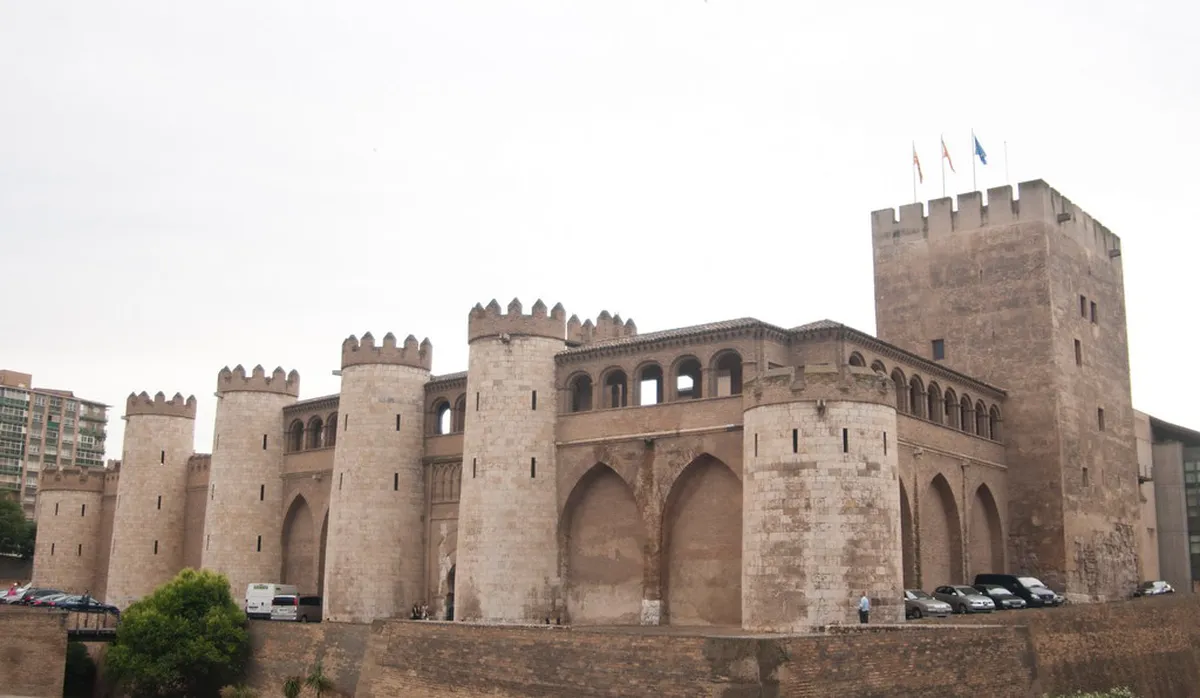
Table of Contents
Explore the Stunning Aljafería Palace Architecture in Zaragoza
Zaragoza, Spain, holds a true architectural treasure. The Aljafería Palace stands as a stunning example of cultural fusion. Its magnificent Aljafería Palace architecture tells a rich story. This guide explores its unique design elements. Prepare to be amazed by its intricate beauty.
This historic fortress palace invites you to step back in time. You will witness centuries of Spanish history. Learn more about Zaragoza's rich architectural heritage. Plan your unforgettable visit for 2025 and beyond.
A Brief History of Aljafería Palace
The Aljafería Palace began as an 11th-century Islamic fortress. It was built during the Taifa kingdom of Zaragoza. This early construction shaped its fundamental layout. The palace served as a royal residence for Muslim rulers.
After the Christian Reconquista, it became a royal palace. The Kings of Aragon resided here for centuries. Each era left its distinct architectural mark. This layered history makes the Aljafería truly unique.
Later, it functioned as a military barracks and prison. Its varied past contributed to its complex structure. Today, it hosts the Aragonese Parliament. It remains a living monument to history and key architectural periods in Zaragoza.
The Enduring Islamic Influence
The palace's original Islamic design is still prominent. You will find exquisite horseshoe arches. These arches define its elegant courtyards. Geometric patterns adorn many interior spaces.
The Patio de Santa Isabel (Courtyard of Saint Isabel) captivates visitors. It features tranquil pools and delicate archways. This area showcases classical Islamic garden design. It truly reflects the opulence of its early builders.
The Golden Hall (Salón Dorado) features intricate plasterwork. This decorative plasterwork is known as yesería. It displays delicate calligraphy and floral motifs. Such elements highlight the sophisticated decorative elements of Islamic art.
Mudejar Masterpiece: A Fusion of Cultures
The Aljafería Palace is a prime example of Mudejar architecture. This style blends Islamic and Christian artistic traditions. Mudejar artisans used traditional Islamic techniques. They applied these to Christian building projects.
The palace's Mudejar elements are breathtaking. Intricate brickwork and carved wooden ceilings are visible. These ceilings are known as artesonado. They showcase incredible craftsmanship and detail.
Explore the Palacio de Pedro IV, a highlight. Here, the Mudejar style truly shines. Discover more about Mudejar architecture in Zaragoza. You can also explore the Mudejar arches within the Aljafería.
Christian Adaptations and Renaissance Touches
🌟 Local Expert Tip: Get the most out of your Zaragoza visit with guided tours!
Christian rulers added their own architectural layers. The Catholic Monarchs introduced Gothic elements. Later, Renaissance styles were incorporated. These additions blend seamlessly with earlier designs.
The Throne Room (Salón del Trono) is a notable example. Its spectacular ceiling features Gothic-Mudejar artesonado. This ceiling was commissioned by Ferdinand and Isabella. It symbolizes their unified reign.
The palace also houses the Parliament of Aragon today. This area reflects later Baroque influences. These changes show the continuous evolution of the building. Visit to appreciate these diverse architectural periods firsthand.
Planning Your Visit to Aljafería Palace
⭐ Recommendation: Don't miss out on amazing Zaragoza tours - book now!
The Aljafería Palace is located at Calle de los Diputados, s/n, 50003 Zaragoza. It is easily accessible by public transport. Buses stop nearby, offering convenient travel. Allow at least two hours for your visit.
The palace is generally open from 10:00 AM to 2:00 PM and 4:00 PM to 6:30 PM. Opening hours can vary by season or parliamentary activity. Check the official website for current 2025 schedules. Adult ticket prices are typically around 5 euros. Discounts are available for students and seniors.
Booking tickets online is highly recommended. This helps you avoid long queues, especially during peak season. Consider joining Zaragoza architectural tours for deeper insights. Don't forget your camera for stunning architectural photography.
Frequently Asked Questions
What is the main architectural style of Aljafería Palace?
The Aljafería Palace primarily showcases Mudejar architecture. It skillfully blends Islamic art forms with Christian styles. This unique fusion makes it historically significant. It is a stunning example of cross-cultural design.
Early Islamic influences are clearly visible throughout the palace. Later Christian additions also contribute to its complexity. You can find out more about the architectural style of Aljafería Palace.
Why is the Aljafería Palace important historically?
The Aljafería Palace served as a royal residence for various rulers. It was first a Muslim fortress-palace. Later, it became a home for the Kings of Aragon. This rich history reflects Spain's diverse past.
It stands as a testament to the coexistence of cultures. The palace's transformations mirror centuries of political change. It is an enduring symbol of Zaragoza's heritage.
Can visitors take photos inside Aljafería Palace?
Yes, visitors are generally permitted to take photos inside the Aljafería Palace. However, flash photography is often prohibited. This helps preserve the delicate artworks and interiors. Always respect any posted signs or guide instructions. For more specific details, check their official visitor guidelines.
The Aljafería Palace in Zaragoza offers an incredible journey. Its Aljafería Palace architecture is a masterpiece of cultural blending. From Islamic elegance to Mudejar artistry, every detail tells a story. This palace is truly a must-see destination.
Don't miss the chance to explore this UNESCO World Heritage site. Plan your 2025 visit to experience its magic firsthand. Discover more about Zaragoza's architectural wonders.
Key Takeaways
- Aljafería Palace is a fusion of Islamic, Mudejar, and Christian architectural styles.
- Its history as a fortress and royal palace shaped its unique design.
- Book tickets online in advance for a smoother 2025 visit to avoid queues.