
Decorative Elements in Zaragoza Architecture Guide
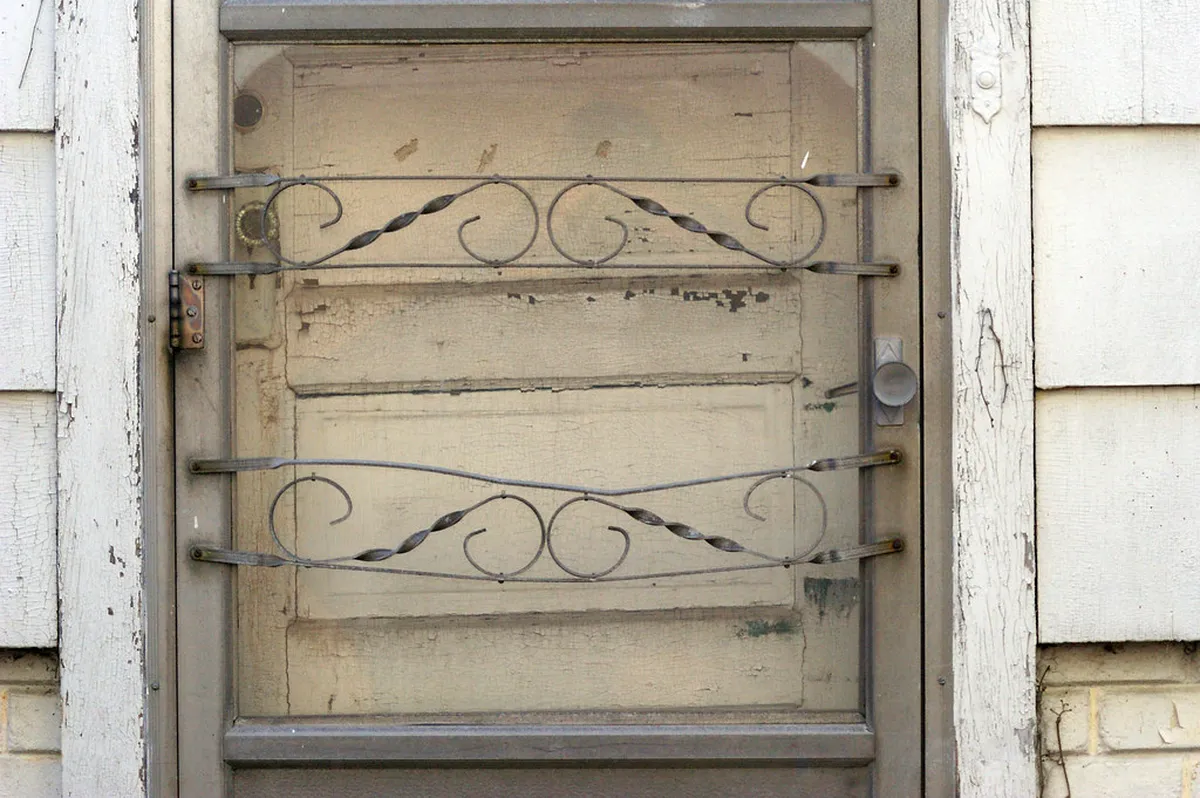
Table of Contents
Discovering Decorative Elements in Zaragoza Architecture
Zaragoza, Spain, boasts a stunning array of architectural styles. Its buildings showcase centuries of artistic influence. Zaragoza's architecture features remarkable decorative elements. These details tell stories of Roman, Islamic, Gothic, and Baroque periods.
Understanding these decorative elements enhances any visit. You will discover intricate patterns and elaborate sculptures. This guide helps you appreciate Zaragoza's unique visual heritage. Get ready to explore a city rich in artistic expression.
Mudejar Masterpieces: Intricate Patterns & Glazed Tiles
Mudejar architecture is a highlight in Zaragoza. It beautifully blends Islamic and Christian art forms. This style is known for its intricate brickwork and geometric patterns. You can find these stunning details across the city.
The Aljafería Palace is a prime example. Its plasterwork ceilings are exceptionally detailed. Look for stunning carved motifs and complex interweaving designs. These patterns reflect centuries of cultural exchange.
La Seo Cathedral also features magnificent Mudejar elements. Its apse showcases incredible brick decoration. Visitors can admire the colorful ceramic tiles adorning its walls. Ceramic tiles are a key decorative feature. They add vibrant hues to the historic structures.
Explore the Mudejar tower of San Pablo Church. It stands as another testament to this unique style. These architectural gems are a must-see in 2025. They offer a deep dive into Zaragoza's decorative past.
Baroque Grandeur: Sculptural Facades & Ornate Details
Zaragoza's Baroque period brought immense decorative flair. Buildings from this era feature dramatic and elaborate designs. Stucco and stone carvings became prominent. These elements create a sense of grandeur.
The Basilica del Pilar is an iconic Baroque masterpiece. Its exterior is adorned with many sculptures. Figures of saints and intricate motifs grace its magnificent facade. The domes are covered in colorful tiles.
Inside, the frescoes by Goya add another artistic layer. The main altarpiece is incredibly ornate. Every corner reveals meticulous decorative efforts. This reflects the artistic ambitions of the 17th and 18th centuries.
Other Baroque buildings like Casa de los Gigantes show similar styles. Look for decorative ironwork on balconies. Intricately carved doorways invite closer inspection. These details truly define Baroque architecture in Zaragoza.
Roman and Renaissance Flourishes in Zaragoza
Zaragoza's history dates back to Roman times. Remnants of this era offer simpler, yet elegant, decorative elements. Mosaics are a key feature of Roman design. You can see these at the Roman Theatre Museum.
The city's Renaissance palaces introduce classical decorative motifs. Symmetry and proportion are highly valued. These buildings often feature elaborate cornices and pilasters. Sculpted reliefs depict mythological scenes or heraldry.
The Lonja de Mercaderes is a beautiful Renaissance building. Its facade features subtle decorative details. Look for the ornate windows and the coat of arms. These elements embody the Renaissance aesthetic.
Many Renaissance palaces boast decorative patios. These courtyards often have carved stone columns. They provide a serene escape from city life. These historical layers add depth to Zaragoza's architecture.
Modern Touches: Art Nouveau and Contemporary Artistry
🌟 Local Expert Tip: Get the most out of your Zaragoza visit with guided tours!
The late 19th and early 20th centuries brought Art Nouveau to Zaragoza. This style emphasizes organic forms and flowing lines. Wrought iron balconies often feature botanical motifs. Stained glass windows add vibrant color.
Casa Juncosa is an excellent example of Art Nouveau. Its facade displays elegant curves and decorative elements. The building reflects a move towards more natural designs. This contrasts sharply with previous architectural styles.
More contemporary buildings also feature striking decorative elements. The CaixaForum Zaragoza is an example. Its modern design incorporates innovative textures and materials. These elements create a unique visual experience for visitors.
The structures from Expo 2008 showcased futuristic designs. They feature bold forms and creative use of light. These modern decorative elements highlight Zaragoza's evolving identity. They prove the city continually embraces new architectural expressions.
Frequently Asked Questions
What are the most famous decorative elements in Zaragoza architecture?
Zaragoza is famous for Mudejar patterns and Baroque sculptures. Mudejar elements include intricate brickwork and glazed tiles. These can be seen at the Aljafería Palace. Baroque architecture features grand facades and detailed carvings. The Basilica del Pilar is a prime example of this style.
Where can I see Mudejar decorative elements in Zaragoza?
You can see stunning Mudejar decorative elements at several sites. The Aljafería Palace is essential viewing. La Seo Cathedral also showcases beautiful Mudejar brickwork. Explore the San Pablo Church tower for more examples. These locations highlight Zaragoza's rich Mudejar heritage.
Are there any walking tours focused on Zaragoza's architectural details?
Yes, several tours focus on Zaragoza's rich architectural heritage. These architectural tours often highlight decorative elements. They cover different historical periods and styles. Check local tourism offices for current schedules and booking options for 2025.
Zaragoza's decorative elements offer a captivating journey through time. From ancient Roman mosaics to modern artistic expressions, each detail tells a story. The Mudejar plasterwork and Baroque facades are particularly stunning. Planning a visit allows you to witness these treasures firsthand.
We encourage you to explore these architectural wonders in 2025. Discover the hidden gems and famous landmarks. Consider taking a guided architectural tour. This will deepen your appreciation for Zaragoza's unique beauty.
Key Takeaways
💡 Pro Tip: Book your Zaragoza adventures in advance through Viator for the best deals!
- Zaragoza's architecture showcases diverse decorative elements.
- Mudejar patterns and Baroque sculptures are major highlights.
- Plan to visit the Aljafería Palace and Basilica del Pilar for key examples.