
A Guide to Ceramic Tiles in Zaragoza Architecture
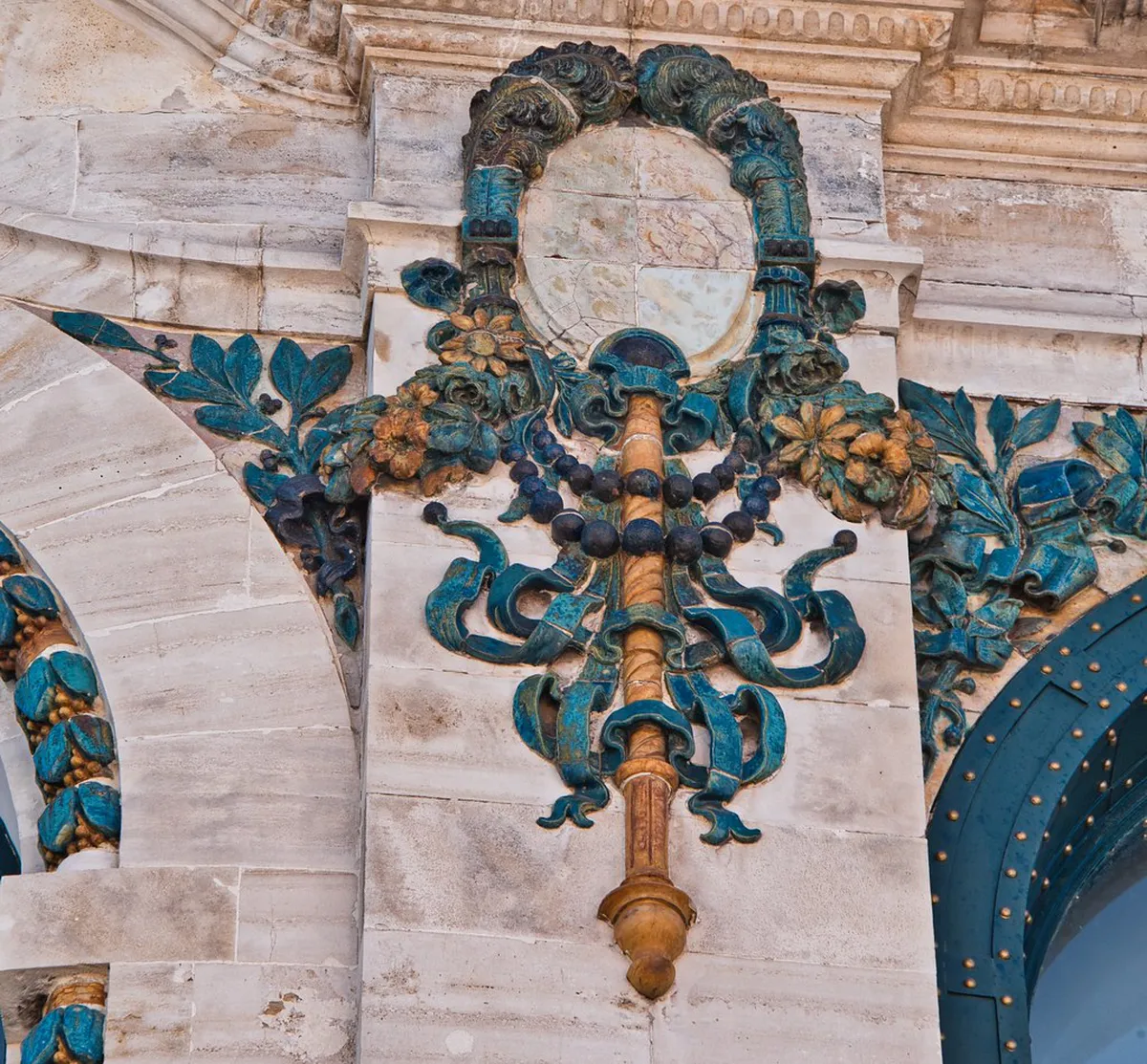
Table of Contents
Unveiling Ceramic Tiles: Zaragoza's Architectural Gems
Zaragoza, Spain, boasts a rich architectural heritage. Ceramic tiles are a vital part of this history. They add beauty and color to many buildings. This guide explores the intricate ceramic tiles in Zaragoza architecture. You will uncover their stories and locations. Prepare to be amazed by this vibrant city. Discover more about Zaragoza's architecture on your next visit.
These decorative elements are more than just simple adornments. They reflect centuries of cultural influence. From ancient Roman mosaics to intricate Mudejar designs, tiles tell a tale. They truly enhance decorative elements in architecture throughout the city. Join us on a journey through Zaragoza’s tiled wonders.
The Rich History of Zaragoza's Ceramic Tiles
Zaragoza's ceramic tile tradition spans many centuries. Romans first introduced mosaic techniques here. Later, Islamic artisans brought intricate glazed tiles. These early influences laid a strong foundation. The city became a hub for tile production.
The Mudejar style truly defined Zaragoza's tiles. This unique artistic blend emerged after the Reconquista. Christian builders adopted Moorish techniques. They created stunning geometric and calligraphic patterns. Many historical buildings showcase this legacy.
Tile work was not just for decoration. It also served practical purposes. Tiles protected walls from moisture. They also helped regulate indoor temperatures. This dual function made them essential. They are a testament to clever ancient design.
Mudejar Style: Zaragoza's Tile Masterpiece
The Mudejar style is synonymous with Aragon. Zaragoza is its crowning jewel. This unique style blends Islamic and Gothic elements. Ceramic tiles are central to its aesthetic. They create dazzling patterns and intricate friezes.
The **Aljafería Palace** is a prime example. Its courtyards and halls feature exquisite tilework. You can see vibrant colors and complex geometries. These tiles once adorned royal chambers. Explore more about the Aljafería Palace architecture.
Mudejar tiles often use a technique called *alicatado*. This involves cutting glazed tiles into specific shapes. Artisans then assemble these pieces like a puzzle. The result is a seamless, mosaic-like surface. This skill is truly remarkable.
Another must-see is La Seo Cathedral. Its Mudejar apse showcases incredible tile facades. These external tiles catch the light beautifully. The intricate designs are mesmerizing. Learn about Mudejar architecture in Zaragoza.
Key Sites to Admire Zaragoza's Ceramic Tiles
Visiting Zaragoza offers many opportunities to see historic tiles. The Aljafería Palace is an essential first stop. Allow several hours to explore its detailed interiors. Admission costs around 5 EUR. Opening hours vary, so check online for 2025 schedules.
La Seo Cathedral features stunning exterior tilework. Look closely at its Mudejar tower and apse. The vibrant patterns are truly unique. Entry to the cathedral is approximately 4 EUR. It is located in Plaza de la Seo. Discover more about La Seo Cathedral's style.
The Basilica del Pilar also uses ceramic tiles. While mostly Baroque, its domes feature colorful tile details. These tiles add a distinctive Spanish flair. The exterior of Basílica del Pilar is iconic. Entry is free, but donations are welcome. Consider an architectural tour to fully appreciate these sites.
Beyond Mudejar: Renaissance and Modern Tile Use
💡 Pro Tip: Book your Zaragoza adventures in advance through Viator for the best deals!
While Mudejar tiles dominate, other periods also embraced them. Renaissance palaces in Zaragoza incorporated decorative ceramics. These often displayed heraldic crests or floral motifs. They reflected a different artistic sensibility. Explore Renaissance palaces in Zaragoza for more examples.
Later centuries continued this tradition. Modern architects also find inspiration in tiles. They use new materials and techniques. Contemporary buildings often feature bold, colorful tile designs. These echo Zaragoza's rich heritage.
Keep an eye out for hidden gems throughout the city. Many private patios and facades feature beautiful tiles. They often go unnoticed by casual visitors. Seek out these special details. They truly enrich the urban landscape. This offers great architectural photography opportunities.
Frequently Asked Questions
What is the best way to find ceramic tiles in Zaragoza?
Start your exploration at the Aljafería Palace. Then visit La Seo Cathedral and the Basilica del Pilar. Many smaller streets in the old town also hide tile facades. Consider joining a local architectural walking tour. This ensures you do not miss any key sites.
Are there any modern buildings with interesting tilework in Zaragoza?
Yes, some modern structures incorporate tile elements. While less prevalent than Mudejar, new designs can be found. Look for contemporary art installations or public spaces. These sometimes feature innovative tile applications. Zaragoza embraces both old and new.
What are the common colors used in Mudejar ceramic tiles?
Mudejar ceramic tiles frequently feature a vibrant palette. Blues, greens, yellows, and whites are very common. Brown and black outlines often define patterns. These colors create striking contrasts. They add depth and beauty to the designs. You will see these throughout Zaragoza, particularly in the hidden architectural gems.
The ceramic tiles in Zaragoza architecture tell a unique story. They highlight the city's diverse cultural influences. From ancient Mudejar patterns to modern accents, tiles enrich every view. Take time to appreciate these colorful, detailed artworks. They are integral to Zaragoza's identity. Plan your visit to this incredible city. Explore all its architectural wonders for yourself.
Key Takeaways
🎯 Insider Tip: Discover the best Zaragoza experiences with Viator Tours!
- Zaragoza's ceramic tiles showcase a blend of Roman, Islamic, and Christian influences, especially in Mudejar style.
- Visit the Aljafería Palace and La Seo Cathedral for the most impressive historical tilework examples.
- Pay attention to smaller details and lesser-known facades for hidden tiled gems across the city.