
Uncover Key Mudejar Features in Zaragoza's Architecture
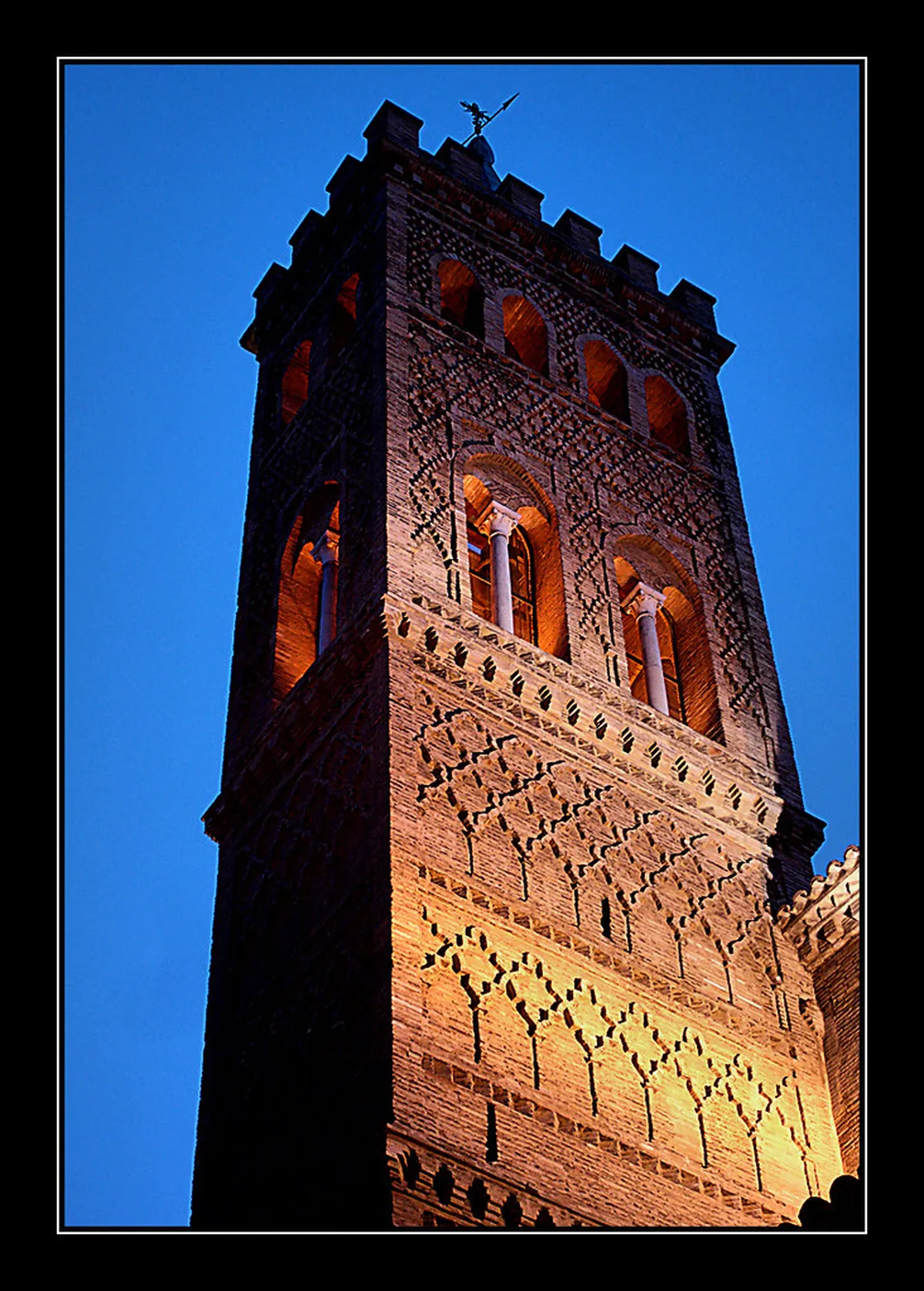
Table of Contents
Identifying Mudejar Features in Zaragoza's Buildings
Zaragoza, Spain, boasts a rich architectural heritage. Among its treasures, Mudejar architecture truly stands out. This unique style blends Islamic and Christian art forms. Understanding the key Mudejar features in Zaragoza enhances any visit.
It reflects a fascinating cultural exchange over centuries. You can find these beautiful elements across the city. Prepare to explore a truly distinct architectural journey in 2025. Discover more about Mudejar architecture in Zaragoza.
What Defines Mudejar Architecture?
Mudejar is a distinct Spanish architectural style. It arose between the 12th and 17th centuries. Christian rulers employed Muslim artisans after the Reconquista. These artisans applied their traditional techniques to Christian commissions.
This fusion created a unique artistic language. It combines elements from Islamic art with Gothic or Renaissance forms. The resulting buildings are both intricate and powerful. This style often highlights local materials and craftsmanship.
Its name comes from the word "Mudéjar." This referred to Muslims who remained in Christian territories. They retained their religion and customs. Their architectural legacy is incredibly rich and diverse across Spain.
Key Decorative Mudejar Features to Spot
Zaragoza's Mudejar buildings display stunning decorative work. Look for intricate **brickwork patterns** on facades and towers. These often form geometric designs or arabesques. It is a hallmark of the Mudejar aesthetic.
Glazed ceramic tiles, known as alicatados, are also prominent. These colorful tiles create mosaics on walls and domes. They add vibrancy and detail to the structures. You will often see stars, crosses, and other patterns.
Intricate plasterwork (yeserías) adorns interior spaces. These delicate carvings feature vegetal motifs and Kufic script. They create a sense of ethereal beauty. This craftsmanship shows immense skill and patience. Explore more decorative elements in architecture.
Structural Elements and Forms in Mudejar Style
Beyond decoration, Mudejar architecture uses specific structural forms. Horseshoe arches are a common sight. These arches curve inward more than a semicircle. They are a clear legacy of Islamic design.
Multifoil arches, with many lobes, also feature prominently. Ceilings often showcase magnificent **artesonado work**. These wooden coffered ceilings are complex and geometric. They are true masterpieces of carpentry.
Towers, especially bell towers, exhibit a square plan. They often have multiple levels and elaborate brick decoration. Many are visible from various points in the city. Learn how to identify Mudejar architecture in Zaragoza.
Where to Experience Mudejar in Zaragoza
🎯 Insider Tip: Discover the best Zaragoza experiences with Viator Tours!
Zaragoza is a prime destination for Mudejar admirers. The Aljafería Palace is an unmissable example. It was built in the 11th century as a fortified Islamic palace. Its Mudejar additions are breathtaking.
Another essential site is La Seo Cathedral. This impressive cathedral features Mudejar chapels and a stunning bell tower. Its blend of styles tells a long history. It showcases different periods of Zaragoza's architectural past.
Other significant examples include the San Pablo Church. Its Mudejar tower is particularly striking. Plan a self-guided tour for 2025. Many smaller churches also feature this beautiful style. Discover best examples of Mudejar style in Zaragoza.
Frequently Asked Questions
What is unique about Mudejar brickwork in Zaragoza?
Mudejar brickwork in Zaragoza is highly distinctive. Artisans used bricks to create intricate geometric patterns. These designs often adorn facades and bell towers. The technique showcases exceptional skill.
It highlights the practicality and beauty of brick. This material was readily available in the region. The patterns include interwoven stars, lozenges, and blind arches. These add depth and texture to the buildings.
How can I identify Mudejar elements at La Seo Cathedral?
At La Seo Cathedral, look for its prominent Mudejar apse and tower. The exterior brickwork features geometric patterns. Inside, several chapels display stunning Mudejar plasterwork and tiling. The Paraninfo building, part of the university, also shows Mudejar characteristics.
Pay attention to the detailed La Seo Cathedral style. You'll see horseshoe arches within some sections. These elements blend seamlessly with Gothic and Baroque additions. It creates a rich tapestry of styles.
Are there any Mudejar influences in Zaragoza's smaller churches?
Yes, many smaller churches in Zaragoza exhibit Mudejar influences. The Church of San Pablo has a magnificent Mudejar bell tower. Its upper levels showcase elaborate brick patterns. Santa María Magdalena church also features a distinct Mudejar tower.
These churches demonstrate the widespread impact of Mudejar art. They often combine simple structures with detailed ornamentation. Explore religious architecture of Zaragoza to find more examples. Many are UNESCO World Heritage Sites.
Zaragoza's Mudejar features offer a captivating architectural experience. From intricate brickwork to stunning wooden ceilings, this style mesmerizes. It represents a truly unique cultural fusion. Planning a visit in 2025 will provide ample opportunities.
These elements are a testament to centuries of shared history. Look closely to appreciate the masterful craftsmanship. Consider joining Zaragoza architectural tours for deeper insights. Immerse yourself in this historical beauty.
Key Takeaways
- Look for intricate brickwork and colorful ceramic tiles as primary Mudejar features.
- Identify horseshoe arches and elaborate wooden artesonado ceilings as structural hallmarks.
- Visit the Aljafería Palace and La Seo Cathedral for outstanding Mudejar examples in Zaragoza.