
Almudaina Palace Architecture: Palma de Mallorca Guide
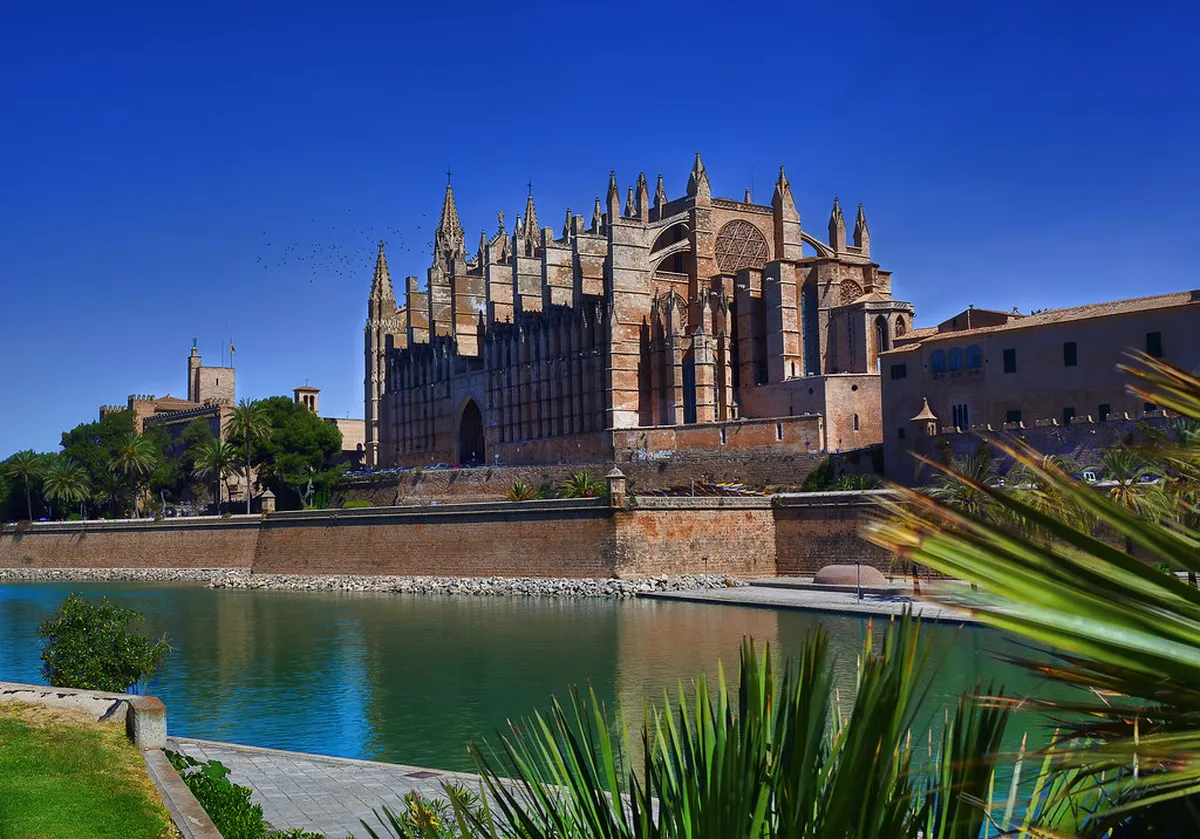
Table of Contents
Discovering Almudaina Palace Architecture in Palma de Mallorca
Palma de Mallorca is a city brimming with history. The Royal Palace of La Almudaina is a prime example. Its incredible Almudaina Palace architecture captivates every visitor. This ancient fortress became a stunning royal residence.
It showcases a remarkable blend of styles. Prepare to journey through centuries of architectural evolution. This guide explores its unique design. Learn more about Palma de Mallorca's rich architecture.
A Layered History: From Fortress to Royal Palace
The very ground Almudaina Palace occupies is historic. It started as a fortified Roman castrum. This early structure laid its defensive foundations. Later, the Moors built an impressive Alcázar.
This strong Islamic fortress was vital for city control. King Jaume I conquered Mallorca in 1229. He quickly repurposed the Alcázar. It transformed into a royal Christian palace.
The existing Moorish structures were cleverly adapted. Many elements were preserved and integrated seamlessly. This marked the beginning of its unique blend. Successive Christian monarchs continued its evolution. They expanded halls and constructed new chapels.
This layered development created a complex building. Its history is etched into every stone. Explore Palma's broader architectural history here. The palace today reflects all these periods. It tells a story of conquests and coexistence.
Visitors can trace these historical layers. They are visible in various parts of the structure. Understanding this past enriches the experience. It highlights the palace's endurance over time. The Bellver Castle also boasts a rich history.
Islamic Architectural Features of Almudaina Palace
The palace’s Islamic heritage is undeniable. Its initial design followed an Andalusian plan. This layout emphasized internal courtyards. Such designs provided both privacy and cooling.
The core structure reflects these early influences. Many foundations and lower walls remain from the Moorish period. These sturdy components showcase early building techniques. They attest to its original defensive strength. Look for subtle hints in the stonework.
These details are often overlooked by casual visitors. While Christian additions largely transformed the interior, some elements persist. The Islamic architectural features of Almudaina Palace are subtle.
The general layout of courtyards, like the Patio de Armas, mirrors early designs. Its orientation may also follow Islamic traditions. Traces of original decorative motifs are scarce now. However, the spirit of Moorish design lingers. It is visible in spatial relationships. The nearby Arab Baths offer a clearer example. They highlight the artistry of that era.
Gothic Additions and Christian Transformations
The Christian conquest brought significant changes. Gothic architecture became the dominant style. King Jaume II initiated major renovations. He added grand chapels and vast halls. These constructions redefined the palace's appearance.
The Royal Chapel, dedicated to Saint Anne, is a masterpiece. It features classic Gothic ribbed vaults. Intricate stained-glass windows illuminate the space. Its solemn beauty reflects medieval piety. This chapel is a highlight for visitors.
It represents crucial Gothic additions to Almudaina Palace. Another impressive feature is the Salón Gótico. This grand hall showcases elegant pointed arches. Tall windows allow natural light to flood in. It exemplifies the refined Catalan Gothic style.
The hall hosted important royal ceremonies. Its design contrasts with the older sections. The palace stands proudly next to La Seu Cathedral. The cathedral itself is a Gothic marvel. It shares architectural language with the palace. Exploring both gives a full picture.
You can appreciate Palma's extensive Gothic architecture. This era profoundly shaped the city's skyline. Royal apartments also received Gothic transformations. These rooms were made more comfortable and ornate. They featured decorative fireplaces and carved wooden ceilings. These details speak of royal prestige.
Notable Architectural Elements and Defensive Legacy
🌟 Local Expert Tip: Get the most out of your Palma de Mallorca visit with guided tours!
When you visit, observe specific details closely. Look at the defensive towers, like the Tower of the Angels. These show its original fortress purpose. The palace walls themselves are quite imposing. They form part of Palma's historic city walls.
The famous statue of the Archangel Gabriel crowns the main tower. This gilded figure acts as a weathervane. It also symbolizes divine protection for the kingdom. Gabriel is a powerful guardian figure. Its presence adds to the palace's majestic aura.
Inside, discover magnificent tapestries and furnishings. These adorn the various rooms. The Royal Apartments offer a glimpse into royal life. Pay attention to the intricate ceiling designs. Many feature heraldic motifs and carved wood. These details enrich the Almudaina Palace architecture experience.
The inner courtyards provide tranquil spaces. The Patio de Armas is a grand entrance. The Queen's Patio features lovely gardens. These areas offer stunning views of the bay. They also connect different sections of the palace. These details make the palace unforgettable. Consider a visit to Palma's Old Town for more historic gems.
Planning Your 2025 Visit to Almudaina Palace
Visiting Almudaina Palace is an unforgettable experience. It is a must-see for history and architecture buffs. The palace stands proudly next to La Seu Cathedral. Its address is Carrer del Palau Reial, s/n, 07001 Palma. It is easily accessible from Palma Old Town on foot.
Opening hours vary seasonally throughout 2025. Typically, the palace opens from Tuesday to Sunday. Always check the official Patrimonio Nacional website for exact times. This ensures you have the most current information. Plan your visit carefully to avoid disappointment.
Adult tickets generally cost around €7 per person. Children under five enter free of charge. There are often reduced rates for students and seniors. European Union citizens may enjoy free admission. This applies on specific afternoons, usually Wednesdays and Thursdays. Verify these details when booking.
Allow ample time to explore the palace thoroughly. A visit typically takes between 1.5 to 2 hours. Audio guides are available for a small additional fee. They offer insightful commentary on the palace's history. These guides enhance your understanding greatly. Consider a combined ticket with La Seu Cathedral. This often saves both money and time. It provides a comprehensive tour of the area. This makes your Palma architecture walking tour even better.
Frequently Asked Questions
What are the primary architectural influences on Almudaina Palace?
The Almudaina Palace showcases two main influences. It began as a Moorish fortress, showcasing Islamic design. Later, Christian kings made significant Gothic additions. This blend creates its unique architectural identity. Learn more about Gothic architecture in Palma. The fusion is truly captivating.
Can I visit the Almudaina Palace interiors and royal chambers?
Yes, the palace is largely open to the public. You can explore many impressive rooms and courtyards. These include the royal apartments and beautiful chapels. The building remains a working royal residence. Spain's King uses some sections for official events. Do not miss its stunning neighbor, La Seu Cathedral.
How does Almudaina Palace relate to the nearby La Seu Cathedral?
Almudaina Palace stands directly adjacent to La Seu Cathedral. They share a deeply intertwined history. The palace site was once an Islamic mosque. This mosque was eventually replaced by the grand cathedral. Their close proximity makes them iconic landmarks. Together, they dominate Palma's waterfront skyline. This creates a powerful historical complex. Discover more about religious architecture in Palma.
The Royal Palace of La Almudaina is truly remarkable. Its unique Almudaina Palace architecture reflects centuries of history. From a Roman fort to a Moorish alcázar. Then it became a Christian royal residence. This fusion offers an unparalleled architectural journey. It stands as a powerful symbol of Palma's past.
Do not miss exploring its intricate details yourself. Experience its rich history and diverse styles firsthand. Plan your 2025 visit to this majestic landmark. For more travel and architecture insights, explore ArchitectTourist.com. Immerse yourself in the beauty of Palma.
Key Takeaways
⭐ Recommendation: Don't miss out on amazing Palma de Mallorca tours - book now!
- Almudaina Palace beautifully blends Islamic and Gothic architectural styles.
- Its long history includes roles as a Roman fort, Moorish alcázar, and Christian palace.
- Allow 1.5-2 hours for your 2025 visit; check official opening hours and ticket prices.