
Bellver Castle Architecture Guide: Palma's Circular Gem
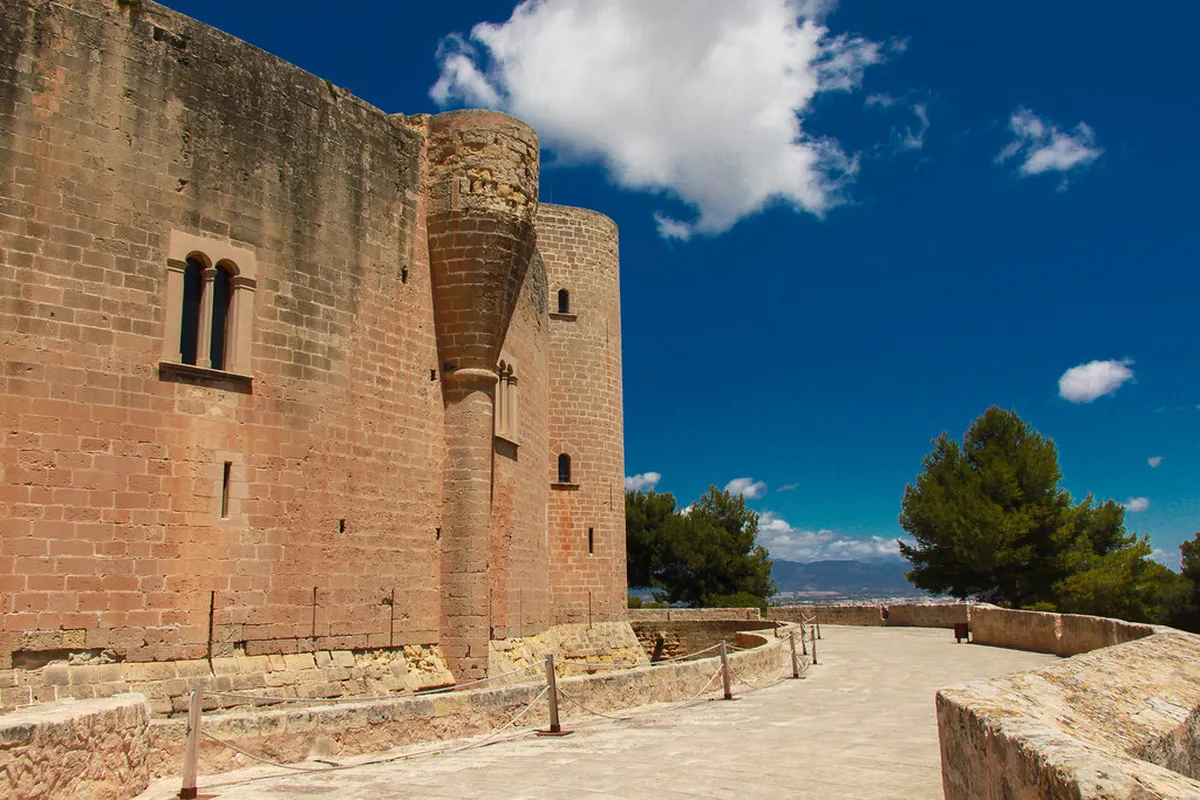
Table of Contents
Discover Bellver Castle's Unique Architecture in Palma
Bellver Castle stands proudly above Palma de Mallorca. Its unique circular design fascinates visitors from around the world. This comprehensive Bellver Castle architecture guide explores its rich history. You will discover its stunning Gothic features. Learn why this fortress is an architectural marvel. It offers incredible insights into Palma de Mallorca's architectural heritage. Plan your visit for 2025 to experience this beauty firsthand. This guide covers everything from its unique construction to practical visiting tips. You will appreciate its historical and architectural significance. Discover one of Mallorca's true gems. Explore more about Palma's overall architectural history here.
The Unique Circular Design and Gothic Roots
Bellver Castle remains Europe's only circular Gothic castle. King James II of Mallorca commissioned its construction. Work began in 1300 and finished around 1311. Pere Salvà designed this incredible fortress. Its unique shape provided excellent defensive advantages.
The castle's design is truly remarkable. It features a central courtyard surrounded by four large towers. A detached keep, Torre de l'Homenatge, adds to its grandeur. This separate tower served as the main defensive stronghold. It stands connected by a vaulted bridge. This specific feature highlights its military importance, a key element of military architecture in Palma.
Gothic elements are visible throughout the structure. Pointed arches and ribbed vaults define many interior spaces. The elegant courtyard showcases these classic styles. This design contrasts sharply with other medieval castles. Most European castles are rectangular or irregular. Explore Palma's Gothic architecture for more examples. The mastery of medieval builders is clearly evident.
The castle’s unusual form allowed for 360-degree defense. Defenders could monitor all approaches. This innovation was ahead of its time. It combined aesthetic appeal with military function. Such foresight in design is truly impressive. Its strategic placement on a hill also played a crucial role.
Even today, engineers admire its sturdy construction. The local stone used contributes to its timeless beauty. This choice of building materials was both practical and artistic. It seamlessly blends into the Mallorcan landscape. Discover why this castle is considered a masterpiece of its era. This makes Bellver Castle a standout among Spanish fortresses.
Exploring Key Architectural Features and Interiors
The castle's inner courtyard, known as the "Patio de Armas," is circular. It connects to the four main towers by elegant arcades. The ground floor features Romanesque-style arches. The upper floor boasts beautiful Gothic arches. This blend creates a captivating visual effect. It is a stunning example of thoughtful design.
The Torre de l'Homenatge is the tallest tower. It offers panoramic views of Palma and the bay. This tower once housed the royal chambers. Its strategic position was vital for defense. Consider visiting the Almudaina Palace to compare royal residences. That palace offers a different perspective on royal living. Bellver's tower served a dual purpose.
The exterior walls are robust and imposing. They feature battlements and narrow arrow slits. These elements were crucial for medieval warfare. The castle's elevated position also added to its defensive strength. Understanding these details enhances any exploration of Bellver Castle's architecture. Walk along the ramparts for the best views.
Inside, you'll find various rooms now housing the city's history museum. The vaulted ceilings are particularly impressive. These demonstrate advanced medieval engineering. Look for the delicate stone carvings. These intricate details reveal the craftsmanship of the era. The museum provides context to the building's past. It shares stories of its varied occupants.
Don't miss the small chapel within the castle. It features a beautiful, serene atmosphere. The chapel showcases simpler Gothic design. It contrasts with the castle's military function. Observe the delicate stained-glass elements. These subtle touches add to the castle's charm. Its preservation allows us to appreciate history.
Practical Guide to Visiting Bellver Castle in 2025
Visiting Bellver Castle is easy in 2025. The castle is open most days of the week. Hours typically run from 10 AM to 6 PM. Check the official website for exact times. Summer hours may extend slightly. It's always wise to confirm opening times.
Admission costs around €4 for adults. Children and seniors often receive discounts. Palma residents can enter for free. Purchasing tickets online can save time. This avoids queues during peak season. You can sometimes find combination tickets. These might include other Palma old town architecture sites.
Getting there is straightforward. You can take a bus (Line 50) directly to the castle. Alternatively, enjoy a scenic walk from the city center. The walk uphill takes about 30-40 minutes. Taxis are also readily available. Consider the tourist hop-on-hop-off bus for convenience. It often stops right at the castle entrance.
Allow at least two hours for your visit. This time allows for exploring the museum and towers. Don't forget to walk the battlements. The views of the city, mountains, and sea are spectacular. You can capture amazing shots from the castle walls, perfect for Palma architecture photography. The best light for photos is usually morning or late afternoon.
Wear comfortable shoes for walking the grounds. The castle terrain includes uneven surfaces. Bring water, especially during warmer months. There is a small cafe on-site for refreshments. Public restrooms are also available. The castle offers accessibility features for some areas. Check ahead if you have specific needs. Plan for a rewarding and enjoyable experience at this historic site. This will enhance your overall Palma architecture walking tour.
Bellver Castle's Place in Palma's Architectural History
💡 Pro Tip: Book your Palma de Mallorca adventures in advance through Viator for the best deals!
Bellver Castle is a cornerstone of Palma's history. It served as a royal residence. Later, it became a military prison. Its function evolved through the centuries. Each era left its mark on the structure. This highlights its enduring significance. It showcases centuries of use and adaptation.
The castle's strategic location overlooks the entire bay. This provided excellent defense capabilities. It protected Palma from sea invasions. Its design was revolutionary for its time. It significantly influenced Palma's architectural history. The castle played a vital role in the city's protection. It stands as a symbol of medieval power.
It represents the early Gothic period in Mallorca. Its construction predates many other major Gothic buildings. Compare its style to La Seu Cathedral's architecture. Bellver showcases a more functional, fortress-like Gothic. The cathedral displays a grander, more ornate style. Both are masterpieces but serve different purposes.
Today, Bellver Castle symbolizes Palma's rich past. It attracts thousands of visitors annually. It hosts cultural events and concerts. The castle remains a living monument. It connects the city's present to its medieval origins. Consider attending an event for a unique experience. Check local listings for upcoming performances.
Understanding Bellver Castle means understanding Palma. Its strong walls tell tales of kings and prisoners. Its unique circular form continues to inspire awe. This architectural marvel truly defines part of Mallorca's identity. It stands alongside Palma's historic city walls as a testament to medieval defense. Don't miss this crucial piece of history.
Architectural Influences and Materials
⭐ Recommendation: Don't miss out on amazing Palma de Mallorca tours - book now!
The design of Bellver Castle blends several influences. While primarily Gothic, some Romanesque touches are evident. The ground floor arches of the courtyard show this influence. It reflects the transition periods in medieval architecture. This fusion creates a unique visual identity.
King James II likely drew inspiration from French castles. He had close ties to mainland Europe. Examples like Château de Castelnaud in France share similar ideas. However, Bellver's pure circularity sets it apart. It represents a bold architectural statement.
Local sandstone, known as "marès," was the primary material. This pale golden stone is characteristic of Mallorca. It gives the castle its distinctive warm hue. Marès is durable and relatively easy to work with. This material can be seen across Palma's historic buildings. Its use created a strong, beautiful structure.
The castle's construction involved skilled craftsmen. Stone masons meticulously shaped each block. Carpenters built the intricate wooden scaffolding. The precision required for a circular design was immense. Their dedication shines through centuries later. It speaks volumes about their expertise. This mastery is evident in the detailed stonework.
Bellver Castle is not just a fortress. It is also an early example of residential castle design. Its comfortable royal quarters provided luxury. This combination of defense and domesticity is key. It sets Bellver apart from purely military structures. Experience this blend firsthand on your visit. It's a fascinating study in Renaissance architecture transitions, though still Gothic.
Frequently Asked Questions
🌟 Local Expert Tip: Get the most out of your Palma de Mallorca visit with guided tours!
Why is Bellver Castle's design circular?
The circular design of Bellver Castle was innovative for its time. It offered superior defensive advantages over square castles. Round walls deflected projectiles more effectively. It also eliminated blind spots in defense. This design feature makes it unique in European castle architecture. Its elevated position further amplified these benefits. This strategic shape proved highly effective in medieval warfare.
Who built Bellver Castle and when?
King James II of Mallorca commissioned Bellver Castle. Construction started in 1300. The architect was Pere Salvà. It was largely completed by 1311. This rapid construction showcases medieval engineering prowess. It's a prime example of Palma's Gothic architectural heritage. The project involved many skilled laborers. Their work created an enduring masterpiece.
Can you explore the interior of Bellver Castle?
Yes, visitors can explore most of Bellver Castle's interior. It houses the city's historical museum. You can visit the courtyard, various rooms, and the detached keep. The battlements offer incredible views. It's a complete architectural experience. The museum exhibits offer deep insights into Palma's past. You can see artifacts and learn about the castle's history.
What practical tips are there for visiting Bellver Castle in 2025?
Plan your visit in 2025 by checking current opening hours and ticket prices. Wear comfortable shoes for exploring the grounds. Consider taking a bus or taxi to save energy on the uphill walk. Allow at least two hours to fully enjoy the castle. Don't forget your camera for stunning panoramic views. Consider combining your visit with a Palma architecture walking tour.
Bellver Castle stands as a testament to medieval ingenuity. Its circular design and Gothic features are truly captivating. This Bellver Castle architecture guide provided key insights. It is a must-see for any visitor to Palma. Plan your trip for 2025 to experience its grandeur. Discover more about Palma's diverse architecture today. Immerse yourself in history and stunning design. This unique fortress offers a profound journey into Mallorca's past. Don't miss this iconic landmark.
Key Takeaways
- Bellver Castle is Europe's only circular Gothic castle, built 1300-1311.
- Explore its unique defensive design and beautiful Gothic elements.
- Visit in 2025 for panoramic views, history, and a unique architectural experience.