
Palma Gothic Architecture Guide: Explore Historic Mallorca
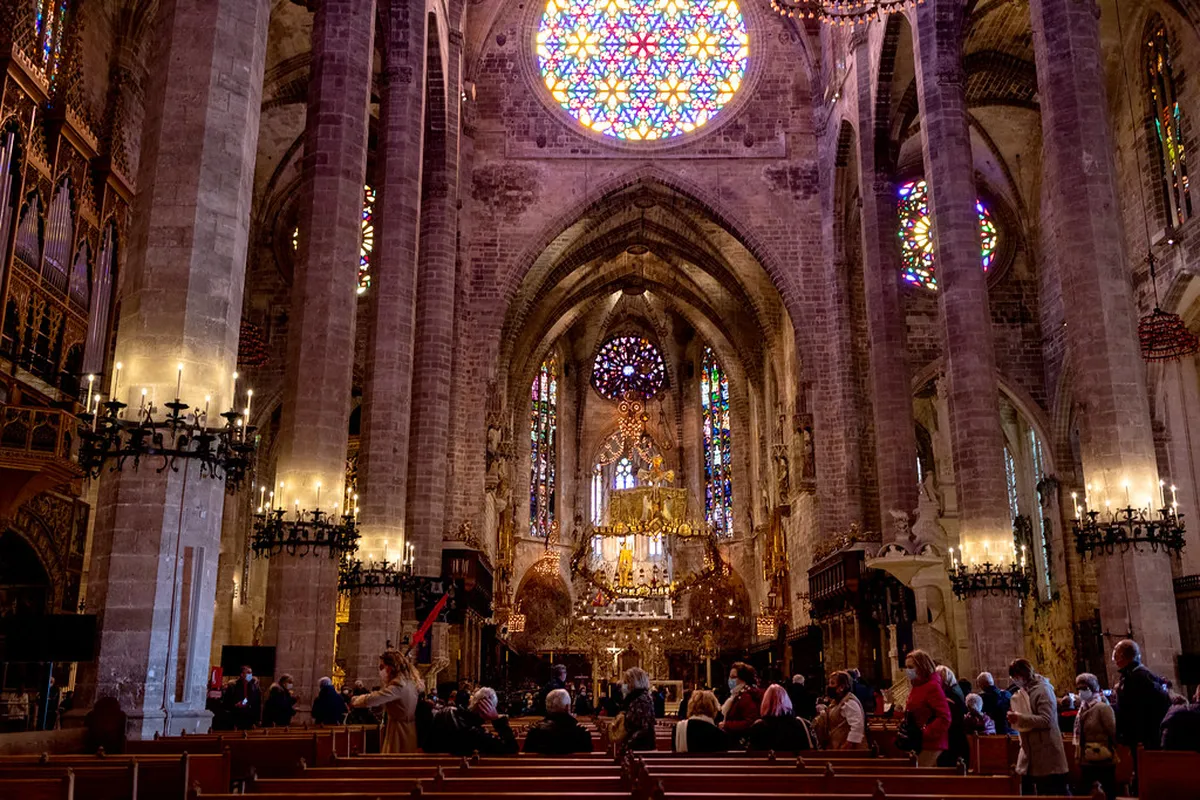
Table of Contents
Explore Palma's Magnificent Gothic Architecture
Palma de Mallorca boasts a rich architectural heritage. The city offers a captivating journey through time. Its impressive Palma architecture is deeply rooted in history. Among its treasures, Palma Gothic architecture stands out. It shapes the city's unique skyline. This guide helps you explore its magnificent examples in 2025.
Gothic design arrived in Mallorca during the 13th century. It flourished after the Catalan conquest. King James I initiated many grand building projects. These structures showcase intricate details and soaring heights. You will find them throughout Palma's Old Town. Prepare to be amazed by their enduring beauty.
La Seu: Palma's Majestic Gothic Cathedral
The Cathedral of Santa Maria of Palma, known as La Seu, is a true masterpiece. It dominates the city's waterfront. Construction began in 1229, after the reconquest. King James I laid the first stone. This monumental building showcases pure Catalan Gothic style.
La Seu features an enormous rose window. It is one of the largest in the world. The stained glass creates a stunning light show inside. Antoni Gaudí also contributed to its interior. His work brought modernist touches to the Gothic structure. This makes La Seu unique.
Visiting La Seu costs around 10-12 Euros for adults. Check their official website for 2025 opening hours. It is usually open Monday to Saturday mornings. Plan at least two hours for your visit. Discover more about La Seu Cathedral's architecture. Remember to book tickets online to avoid queues.
The cathedral's location provides incredible views. It overlooks Parc de la Mar and the Mediterranean Sea. The surrounding area is perfect for photography. Explore the nearby Almudaina Palace. It offers another glimpse into Palma's past. The palace complements the cathedral's grandeur.
Llotja de Palma: Civil Gothic Masterpiece
The Llotja de Palma is an iconic civil Gothic building. It served as the city's maritime trade exchange. Guillem Sagrera designed this stunning structure. Construction took place between 1420 and 1452. It stands as a testament to Palma's mercantile power.
Inside, the Llotja boasts impressive ribbed vaulting. Six slender helical columns support the roof. These columns twist upwards like palm trees. The space feels open and expansive. Gargoyles adorn the exterior walls. They depict mythical creatures and human figures.
Today, the Llotja functions as an exhibition hall. Entry is often free when exhibitions are running. It is located near the waterfront, close to La Seu. It's a key stop on any Palma architecture walking tour. Discover more about Llotja de Palma's architecture.
The building's exterior is equally impressive. Its grand facade faces the sea. Take time to admire the intricate stone carvings. The Llotja symbolizes Palma's prosperous Golden Age. It is a must-see for architecture enthusiasts.
Bellver Castle: Unique Circular Gothic Fortress
Bellver Castle offers a distinctive example of Palma Gothic architecture. It is one of Europe's few circular castles. King James II built it in the early 14th century. Its elevated position provides panoramic city views. The castle once served as a royal residence.
The castle's circular courtyard is striking. Three large towers connect to the main structure. A separate keep, the Homage Tower, stands apart. This design offered strong defensive capabilities. Walk along the battlements for incredible vistas. You can see the entire Bay of Palma from here.
Entry to Bellver Castle typically costs around 4 Euros. It includes access to the museum inside. The castle opens daily, except Mondays. Check current schedules for 2025. Consider exploring Bellver Castle's unique architecture. It is easily reachable by bus from the city center.
The castle grounds are perfect for a picnic. Enjoy the pine forest surrounding it. Bellver Castle offers a blend of history and natural beauty. It’s an essential visit for its historical importance. The views alone are worth the trip.
Beyond the Icons: Hidden Gothic Gems
⭐ Recommendation: Don't miss out on amazing Palma de Mallorca tours - book now!
Palma Gothic architecture extends beyond its most famous landmarks. Many smaller churches and noble houses feature Gothic elements. These buildings offer a deeper dive into the city's past. Explore the quiet streets of the old town. You will find many hidden treasures.
The Basilica de Sant Francesc is another important Gothic church. Its cloister is particularly beautiful. It features delicate arches and peaceful courtyards. The basilica's facade shows Renaissance influences. Yet its core structure remains Gothic.
Look for historic courtyards, known as 'patis'. Many Palma's grand noble houses feature them. These private spaces often have Gothic arches. They offer a glimpse into aristocratic life. Some are open to the public during certain hours. Ask locally for recommendations in 2025.
Stroll through the narrow alleys. You might discover small chapels and old facades. These demonstrate the enduring presence of Gothic styles. The Esglesia de Santa Eulàlia is another fine example. It is one of Palma's oldest parishes. Its bell tower provides excellent city views. Learn about Palma's hidden architectural gems.
Key Features of Palma Gothic Architecture
💡 Pro Tip: Book your Palma de Mallorca adventures in advance through Viator for the best deals!
Palma Gothic architecture shares common traits with European Gothic styles. However, it also developed unique local characteristics. These adaptations suit the Mediterranean climate and local materials. Understanding these features enhances your visit. It helps you appreciate the intricate details.
Key elements include pointed arches and ribbed vaults. These structural innovations allowed for greater height. They also created lighter, more open interiors. Flying buttresses supported the high walls. This distributed weight effectively. It permitted larger windows and thinner walls.
Large rose windows are a hallmark, as seen in La Seu. Stained glass filled these openings with vibrant light. Decorative gargoyles protected buildings from rainwater. They also served as symbolic protectors. You can spot them on many historic structures. Learn more about key features of Gothic architecture in Palma.
Local marés sandstone was a primary building material. Its warm, golden hue gives Palma's buildings a distinctive look. This stone is soft when quarried. It hardens over time. This made intricate carving possible. The material connects buildings to their island environment. Explore Palma's building materials history for deeper insights.
Frequently Asked Questions
💡 Pro Tip: Book your Palma de Mallorca adventures in advance through Viator for the best deals!
What is the most famous example of Gothic architecture in Palma?
The most famous example is undoubtedly La Seu. This magnificent Palma Cathedral dominates the cityscape. Its impressive size and stunning rose window attract many visitors. It is a masterpiece of Catalan Gothic design. Discover La Seu Cathedral's architecture for more details.
Are there guided tours focused on Gothic buildings in Palma?
Yes, many guided tours highlight Palma Gothic architecture. These tours often cover La Seu, the Llotja, and other historic sites. A dedicated Palma architecture walking tour can provide deeper insights. Check local tour operators for options in 2025. Some tours may include access to private courtyards.
What makes Palma's Gothic style unique compared to other regions?
Palma's Gothic style, often called Mediterranean Gothic, features unique characteristics. It often emphasizes horizontal lines more than vertical ones. Buildings tend to be broader and less ornate than Northern European Gothic. The use of local marés sandstone is also distinctive. This gives structures a warm, golden appearance. Explore the architectural history of Palma to understand its influences.
Palma Gothic architecture offers a captivating journey. From the majestic La Seu to the unique Bellver Castle, history comes alive. Explore these incredible structures during your 2025 visit. They tell a story of power, faith, and craftsmanship. Don't forget the hidden courtyards and lesser-known churches. Every corner holds a piece of this architectural heritage.
Plan your trip to experience Palma's timeless beauty. These Gothic marvels are truly inspiring. Immerse yourself in the rich culture. You will leave with lasting memories. Start your architectural adventure in Palma today. Find more Palma de Mallorca architecture guides.
Key Takeaways
- La Seu Cathedral is the crown jewel of Palma Gothic architecture.
- Llotja de Palma showcases stunning civil Gothic design and merchant history.
- Bellver Castle is a unique circular Gothic fortress offering panoramic views.
- Explore hidden 'patis' and smaller churches for more Gothic discoveries.
- Palma's Gothic style blends regional traits with Mediterranean adaptations.