
Llotja de Palma Architecture: A Gothic Gem in Palma
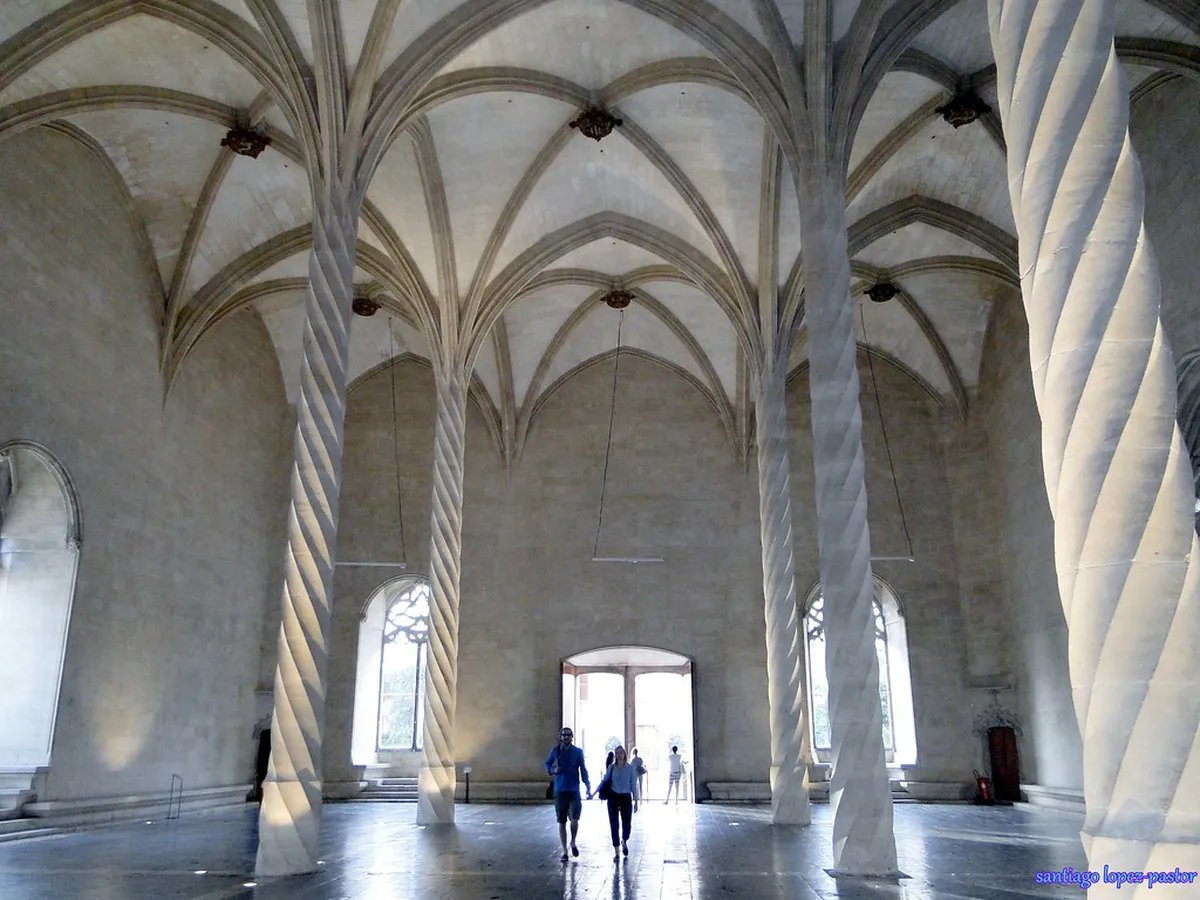
Table of Contents
Discovering the Magnificent Llotja de Palma Architecture
Palma de Mallorca boasts incredible architectural treasures. Among them, the Llotja de Palma stands out. This grand building showcases remarkable Gothic architecture. It offers a fascinating glimpse into the island's rich past.
Discover the unique history of the Llotja de Palma architecture. Learn about its construction and purpose. This guide will help you appreciate its intricate details. Plan your visit to this important landmark in 2025. Explore more of the city's heritage with a Palma de Mallorca architecture guide.
The Master Architect: Guillem Sagrera's Vision
The Llotja de Palma's design is truly captivating. It was conceived by the brilliant architect, Guillem Sagrera. He was a master of Catalan Gothic style. Sagrera's innovative approach shaped this iconic building.
Construction of the Llotja began in 1426. It continued until 1447, a significant undertaking. Sagrera oversaw every detail of its creation. His influence is visible in every stone. This building remains one of his most celebrated works.
Sagrera's work extended beyond just design. He also served as a sculptor. His intricate carvings adorn various parts of the Llotja. This dual talent made him a truly exceptional artist. He left an indelible mark on Palma's architectural landscape. Learn more about Palma's architectural history.
The Llotja represented the peak of Sagrera's career. It showcased his ability to blend function with beauty. His legacy continues to inspire architects today. Visitors marvel at its timeless grandeur.
Unpacking Catalan Gothic: Key Architectural Features
The Llotja de Palma is a prime example of Catalan Gothic architecture. This style emphasizes open, spacious interiors. It uses less ornamentation than French Gothic. The focus is on light and structural elegance.
One of the Llotja's most striking features is its interior columns. They are slender and rise gracefully. These columns culminate in a unique helical twist. This creates the illusion of palm trees reaching for the ceiling. This detail is truly breathtaking. Discover more about the helical columns of Llotja de Palma.
The exterior boasts beautiful gargoyles and sculptures. These intricate carvings depict various figures. You can spot angels, demons, and mythical creatures. They serve both decorative and practical purposes. These details drain rainwater away from the walls. Explore further architectural details in Palma.
Large windows flood the interior with natural light. This design choice highlights the grand scale. It also brings a sense of airiness to the space. The overall effect is one of serene majesty. The building feels open, despite its sturdy stone construction.
The vaulted ceilings are another masterpiece. They create a harmonious and unified space. Sagrera's engineering prowess is evident here. The Llotja truly embodies the spirit of 15th-century innovation.
A Glimpse into History: The Llotja's Original Purpose
The Llotja was originally built as a maritime trade exchange. It served as a hub for merchants. Traders from across the Mediterranean gathered here. They conducted business and negotiated deals. Palma was a vital port in the medieval era.
This impressive structure symbolized Palma's economic power. It reflected the city's prosperity. The Llotja facilitated international commerce. It helped solidify Mallorca's position in trade routes. This building was central to the island's economy.
The ground floor hosted a bustling trading hall. Merchants exchanged goods and signed contracts. The upper floor housed the Consolat de Mar. This was a maritime court that resolved disputes. It ensured fair practices in overseas trade.
Over centuries, its function evolved. After its trading days, it served different purposes. It has been a warehouse and an arms depot. Today, it primarily functions as an exhibition hall. It hosts art shows and cultural events. This change preserves its beauty for future generations.
Visiting the Llotja de Palma in 2025: Practical Guide
🌟 Local Expert Tip: Get the most out of your Palma de Mallorca visit with guided tours!
The Llotja de Palma is a must-see for any visitor. It is located near the waterfront in Palma's Old Town. The address is Plaça de la Llotja, s/n. It is easily accessible on foot from many central areas.
Opening hours vary, so check ahead for 2025 schedules. Typically, it is open from Tuesday to Sunday. Hours are usually from 10:00 AM to 1:30 PM. Then it reopens from 4:30 PM to 8:00 PM. Admission is often free, making it a budget-friendly attraction. Confirm details on the official tourism website before your visit. You can find more specific information about visiting the Llotja de Palma building here.
Allow at least 30-60 minutes to explore the interior. Take time to admire the intricate columns and vaulted ceilings. Photography is generally allowed, so bring your camera. The best light for photos is often in the morning. This allows natural light to filter through the windows.
Consider a guided tour of the Old Town. Many tours include a stop at the Llotja. This provides deeper insights into its history. It also helps you understand its architectural significance. Explore a comprehensive Palma architecture walking tour for a full experience.
- Best Time to Visit: Early morning or late afternoon for fewer crowds.
- Cost: Often free entry, check local listings for current exhibitions.
- Accessibility: Ground floor is accessible, but check for specific facilities.
Frequently Asked Questions
What is the Llotja de Palma known for architecturally?
The Llotja de Palma is famous for its stunning Catalan Gothic architecture. It features soaring helical columns. These columns resemble palm trees. They create a remarkably spacious interior. Its detailed gargoyles and harmonious design also stand out. It is a masterpiece by Guillem Sagrera. Many consider it one of Spain's finest Gothic civil buildings. This unique style sets it apart. Explore more about Palma's Gothic architecture.
Who was Guillem Sagrera, the architect of Llotja de Palma?
Guillem Sagrera was a prominent Mallorcan architect and sculptor. He lived in the 15th century. He designed and oversaw the construction of the Llotja de Palma. His work is known for its innovative Catalan Gothic style. Sagrera's influence can be seen across the Mediterranean. He also contributed to the La Seu Cathedral in Palma. He left a lasting legacy on the island's architecture.
What was the original purpose of the Llotja de Palma building?
The Llotja de Palma served as a bustling maritime trade exchange. It was built in the 15th century. Merchants gathered here to conduct business. They negotiated deals and managed shipments. It housed the Consolat de Mar, a maritime court. This building was vital for Palma's economic prosperity. It facilitated international commerce. It helped establish Palma as a major port city.
Can visitors go inside the Llotja de Palma building today?
Yes, visitors can certainly go inside the Llotja de Palma. Today, it primarily functions as an exhibition hall. It hosts various art and cultural events. Entry is often free, but it's wise to check current hours. Look for any specific exhibition schedules for 2025. It is a wonderful place to admire historic architecture. Find more details on visiting this historic landmark.
The Llotja de Palma architecture represents a true masterpiece. Its Catalan Gothic style captivates all who visit. Guillem Sagrera's vision created an enduring legacy. This historic building remains a symbol of Palma's rich past.
Do not miss the chance to explore its magnificent interior. The Llotja de Palma is an essential stop. It truly showcases the beauty of Palma de Mallorca's architecture. Plan your visit to this iconic landmark soon.
Key Takeaways
- The Llotja de Palma is a prime example of Catalan Gothic architecture.
- Guillem Sagrera designed this 15th-century masterpiece.
- Its helical columns mimic palm trees, creating a unique interior.
- Originally a maritime trade exchange, it now hosts cultural exhibitions.
- Admission is often free; check 2025 hours before visiting.