
Uncovering Architectural Details in Palma de Mallorca
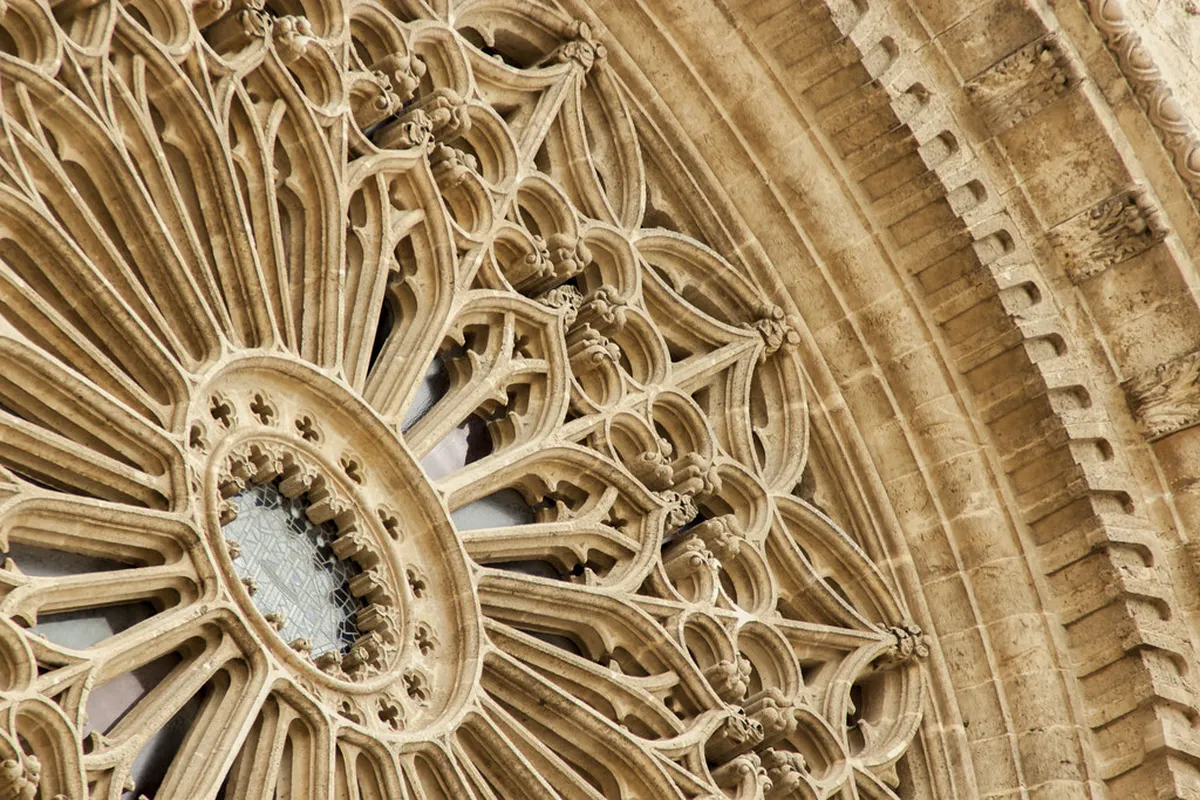
Table of Contents
Explore Palma de Mallorca's Stunning Architectural Details
Palma de Mallorca boasts incredible architectural details. This beautiful Spanish city showcases centuries of history. From grand cathedrals to hidden courtyards, every corner tells a story. Prepare to explore its diverse and fascinating heritage.
Understanding these elements enhances your visit greatly. You will discover the unique blend of styles present. Our Palma de Mallorca architecture guide helps you navigate this city. Let's delve into the intricate designs of Palma.
Gothic Grandeur: Cathedral and La Llotja
Palma's Gothic architecture is truly magnificent. The most iconic example is La Seu Cathedral. Its impressive facade and intricate carvings captivate visitors. This landmark offers countless architectural details to admire.
The cathedral’s construction began in 1229. Antoni Gaudí later contributed significant interior renovations. Look for the stunning rose window, known as 'The Eye of the Gothic'. It is a masterpiece of medieval stained glass. Explore more about La Seu Cathedral architecture.
Another Gothic jewel is La Llotja de Palma. This former maritime exchange features elegant columns. Its ornate gargoyles and intricate vaulting are remarkable. Notice the delicate tracery in the windows. It showcases the mercantile power of old Palma.
The building's interior feels like a stone forest. Tall, slender columns branch out into ribbed vaults. It is a prime example of civil Gothic architecture. Don't miss these amazing Gothic architectural details in Palma. These structures define the city's skyline.
Modernist & Art Nouveau Details in Palma
Palma also features striking Modernist architecture. This style emerged in the late 19th and early 20th centuries. It brought flowing lines, organic forms, and colorful tiles. Look for buildings designed by architects like Joan Rubió.
Notable examples include Can Forteza Rey and Grand Hotel. Their facades are adorned with elaborate ironwork. You will see intricate floral motifs and stained glass. These buildings add a unique flair to city streets. Discover more Modernist buildings in Palma.
Many modernist structures feature Art Nouveau elements. This artistic movement emphasized decorative details. Expect to see sinuous curves and naturalistic patterns. The use of ceramics and wrought iron is very common. The elegance of these designs is truly captivating.
Take a stroll along the Born or Rambla. You will spot many incredible facades. Pay attention to the balconies and windows. Each one often reveals unique artistic touches. These architectural details in Palma are a delight for observers. Consider a Palma architecture walking tour to see them all.
Historic Patios and Courtyards: Hidden Gems
Palma's historic patios are truly captivating. These hidden courtyards offer peaceful retreats. They showcase exquisite architectural details often unseen from the street. Many date back to the Renaissance and Baroque periods.
These courtyards feature grand arches and elegant columns. Stone staircases often lead to upper floors. Intricate iron gates guard their entrances. Water features like fountains add to their serene beauty. Explore Palma's historic patios and courtyards for a true experience.
Many old noble houses boast these impressive patios. You can find them throughout Palma's Old Town. Some are open to the public during specific hours. Always be respectful when visiting private residences. Their beauty is a testament to Palma's rich history.
Popular examples include Can Vivot and Casal Solleric. These patios reflect various design influences. Moorish, Gothic, and Renaissance styles blend harmoniously. Seek out these hidden architectural gems in Palma. They provide a glimpse into the past.
Ornate Ironwork, Doorways, and Arches
💡 Pro Tip: Book your Palma de Mallorca adventures in advance through Viator for the best deals!
Palma's streets are filled with ornate ironwork. Decorative balconies are a common sight. They feature intricate patterns and delicate craftsmanship. These details adorn buildings from various historical periods.
Wrought iron railings often depict floral or geometric designs. Some even include mythological creatures. This artistry adds significant character to the city. Pay close attention to these beautiful decorative ironwork and balconies in Palma.
The city's doorways and arches are equally fascinating. Many feature elaborate stone carvings. Some are grand and imposing, others are subtly charming. Each doorway offers a unique architectural detail.
You can find Romanesque, Gothic, and Renaissance arches. They lead into courtyards or connect buildings. The variety of shapes and styles is impressive. Look for these unique doorways and arches in Palma. They are perfect for architectural photography.
Tracing Influences: Moorish and Baroque Styles
🎯 Insider Tip: Discover the best Palma de Mallorca experiences with Viator Tours!
Palma's history is a tapestry of cultures. Moorish influences are still visible today. The Banys Àrabs (Arab Baths) offer a glimpse into this past. Their horseshoe arches and brick domes are distinct. These unique architectural details reflect a bygone era.
The Almudaina Palace also shows Moorish roots. It was originally a Muslim fortress. Later, it became a royal residence. The palace blends different architectural periods beautifully. Its gardens retain an ancient, tranquil feel.
Baroque architecture also made its mark in Palma. This style emerged in the 17th and 18th centuries. It brought dramatic flair and elaborate ornamentation. You will find churches adorned with impressive facades.
Look for dynamic sculptures and rich details. The Basilica de Sant Francesc is a fine example. Its cloisters combine Gothic and Renaissance elements. These Baroque architectural details in Palma add dramatic flair. They showcase the city's evolving artistic tastes.
Frequently Asked Questions
🌟 Local Expert Tip: Get the most out of your Palma de Mallorca visit with guided tours!
What are the must-see architectural details in Palma?
You must see La Seu Cathedral's rose window. Explore the ornate facades of Modernist buildings like Can Forteza Rey. Discover the peaceful beauty of Palma's historic courtyards. These offer a true sense of the city's rich past. Learn more about Palma Old Town architecture.
Are there any walking tours focused on Palma's architecture?
Yes, many guided walking tours exist. They often focus on specific styles or historical periods. You can find tours highlighting Gothic, Modernist, or hidden patios. A self-guided tour is also easy with a good map. Consider a dedicated Palma architecture walking tour for experts.
How can I find hidden architectural gems in Palma?
Wander through the narrow streets of the Old Town. Look for open gates leading to private courtyards. Many are accessible during the day. Small signs or plaques often mark historic buildings. Exploring allows for pleasant discoveries. Check out our guide to hidden architectural gems in Palma.
When is the best time to explore Palma's architecture in 2025?
Spring (April-May) and autumn (September-October) are ideal. The weather is pleasant, and crowds are smaller. This allows for comfortable outdoor exploration. Avoid peak summer heat for extended walks. Always check specific opening hours for attractions, especially in 2025.
Palma de Mallorca is a treasure trove of architectural details. From the grandeur of Gothic cathedrals to hidden Modernist gems, it truly delights. Every arch, patio, and facade tells a unique story. Plan your visit for 2025 to uncover these wonders.
Embrace the opportunity to delve into its rich past. Discover the layers of history etched in stone. For a complete experience, refer to our comprehensive Palma architecture guide. Start exploring the incredible beauty of Palma today.
Key Takeaways
- Look for intricate Gothic details in La Seu Cathedral and La Llotja.
- Admire Modernist facades with unique ironwork and vibrant tiles.
- Explore hidden historic patios for serene architectural discoveries.
- Pay attention to diverse doorways, arches, and decorative ironwork.
- Identify Moorish and Baroque influences across Palma's historic buildings.