
Discover Unique Doorways & Arches in Palma, Spain
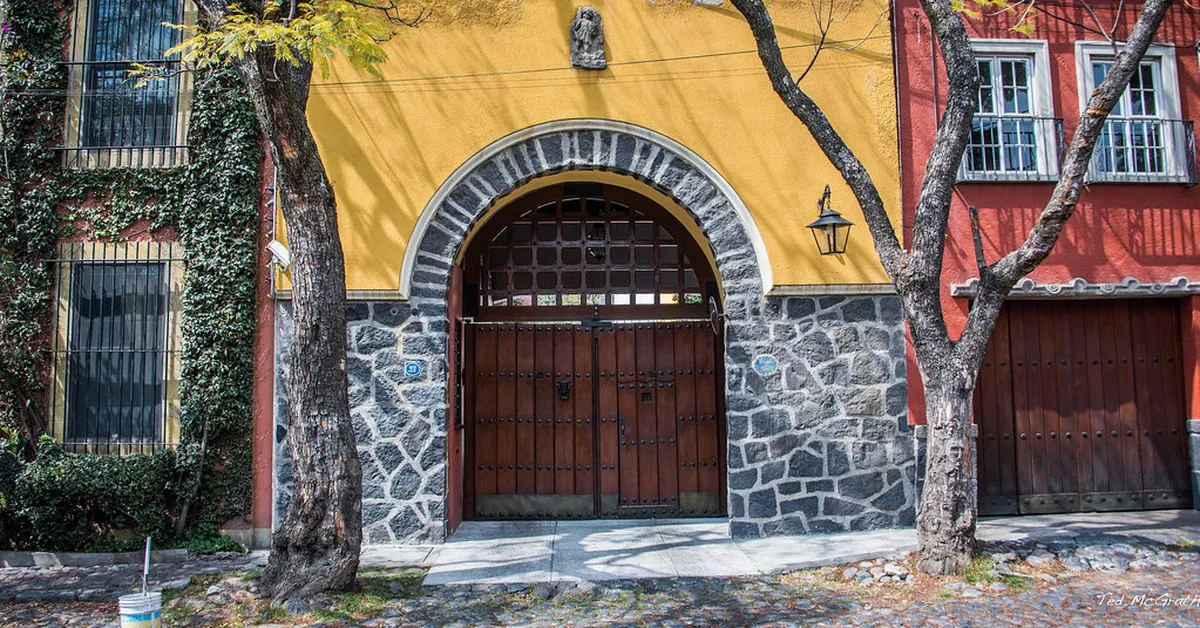
Table of Contents
Uncovering Palma's Unique Doorways and Arches in 2025
Palma de Mallorca boasts a rich tapestry of history. Its streets reveal countless architectural treasures. Among these, the unique doorways and arches in Palma stand out. They offer a captivating glimpse into the city's past. You can discover incredible Palma de Mallorca architecture by simply looking up.
From grand Gothic portals to delicate Modernist curves, each entrance tells a story. This guide helps you find the most impressive examples. Prepare to be enchanted by these stunning architectural details in Palma. Your 2025 visit will be unforgettable.
Gothic Grandeur: Cathedral Doorways and Arches
Palma's Gothic architecture is truly magnificent. The most striking example is La Seu Cathedral. Its main portal, the Portal del Mirador, is breathtaking. Elaborate carvings adorn its entrance. The intricate stone lacework is a masterpiece.
Inside the cathedral, many arches impress visitors. The grand nave features soaring Gothic arches. These structural elements create an awe-inspiring space. They showcase the skill of medieval builders. Learn more about La Seu Cathedral architecture.
Another example of Gothic splendor is Bellver Castle. This circular castle features beautiful courtyards. You will find impressive arches within its design. Its elegant arcades are perfect for photography. Explore the Bellver Castle architecture during your visit.
Many smaller churches also display Gothic arches. Wander through the old town to discover them. These historical structures add to Palma's charm. They are important parts of the city's heritage. Look for these hidden gems in 2025.
Moorish Influences: Arab Baths and Old Town Gems
Palma’s history includes a significant Moorish period. This influence is still visible in certain architectural elements. The ancient Arab Baths (Banys Àrabs) are a prime example. They feature iconic horseshoe arches. These arches are a hallmark of Islamic design.
Visiting the Arab Baths costs around 3 euros. They are located on Carrer de Can Serra. These baths offer a tranquil escape. They represent some of the oldest Palma's Arab Baths history in the city. The serene garden provides a peaceful atmosphere.
Subtle Moorish influences can be found elsewhere. Explore the narrow streets of Palma's Old Town architecture. You might spot traces in courtyards or doorways. These details hint at Palma's diverse past. They blend seamlessly with later architectural styles.
The Royal Palace of La Almudaina also shows this heritage. Its foundations and some internal features are Moorish. Later renovations added Gothic elements. This mix creates unique and layered architecture. Discover the Almudaina Palace architecture on your trip.
Renaissance and Baroque Elegance: Noble House Entrances
Palma's noble houses boast grand entrances. Many date back to the Renaissance and Baroque periods. These aristocratic homes feature impressive doorways. They often include ornate stone carvings. You will see family crests proudly displayed above the arches.
Strolling through the city center reveals many such examples. The Casal Solleric on Passeig del Born is noteworthy. Its imposing entrance arch leads into a beautiful courtyard. This building is now an exhibition space. It is open for public viewing during specific hours.
These doorways signify wealth and status. They often have intricate ironwork details. The solid wooden doors are often decorated with studs. Discover more about Renaissance architecture in Palma. The details are truly remarkable.
Other significant examples of grand entrances can be found. Many are located near the Plaça de Cort. These buildings showcase Baroque architecture in Palma. They contribute to the city's elegant streetscapes. Look for these majestic portals when exploring.
Modernist Masterpieces: Art Nouveau Arches in Palma
⭐ Recommendation: Don't miss out on amazing Palma de Mallorca tours - book now!
The early 20th century brought Modernism to Palma. This style is often known as Art Nouveau. It introduced curvilinear forms and natural motifs. These elements transformed doorways and arches in Palma. Architects like Lluís Forteza Rey left their mark.
Buildings on the Plaça del Marquès del Palmer are excellent examples. Look for Can Forteza Rey and El Águila. Their facades feature whimsical designs. The entrances boast organic shapes and decorative ironwork. These details create truly unique doorways.
Modernist arches often frame colorful tiles. They might incorporate stained glass elements. This style provides a striking contrast to older architecture. It reflects a period of artistic innovation. Explore Modernist buildings in Palma for vibrant examples.
Even subtle details show Art Nouveau influence. Many commercial buildings have stylized entrances. They add a touch of elegance to city streets. Discover the beauty of Art Nouveau in Palma. It’s a delightful part of the city's charm.
Discovering Palma's Hidden Archways and Passageways
Palma's charm lies in its hidden corners. Many narrow streets conceal beautiful archways. These often lead to private courtyards or residential areas. Exploring these less-traveled paths offers unique discoveries. You will find many truly unique doorways and arches in Palma.
The famous 'patis' or courtyards are a highlight. Many feature their own intricate entrance arches. These spaces provide a cool, quiet retreat. Some patis are open to the public during certain hours. They reveal a different side of Palma's life.
Consider joining a Palma architecture walking tour. A guide can point out obscure entrances. They will share stories behind these architectural elements. This ensures you do not miss any hidden gems. The tours offer valuable local insights.
Wander through areas like Calatrava or Sa Gerreria. These neighborhoods are full of character. You will encounter countless picturesque arches. They often connect buildings or span narrow alleyways. These hidden architectural gems in Palma are a joy to find. They are perfect for street photography.
Frequently Asked Questions
Where can I find the most impressive Gothic arches in Palma?
The most impressive Gothic arches are at La Seu Cathedral. Its main portals and interior nave feature magnificent designs. Bellver Castle also offers stunning Gothic arcades. Both sites are must-sees for their historical arches. Consider a visit in 2025.
Are there any Moorish doorways still visible in Palma?
Yes, the Arab Baths prominently feature Moorish horseshoe arches. These are well-preserved examples from Palma's past. You might also find subtle influences in older buildings. Explore the Palma's Arab Baths history for these designs. The old town also has hidden historical traces.
What's the best way to explore Palma's unique doorways and arches on a self-guided tour?
Start in the Old Town near La Seu Cathedral. Then wander through the narrow streets. Look for grand entrances of noble houses. Seek out Modernist buildings near Plaça del Marquès del Palmer. Consider using a map for major landmarks. Discover more with a Palma architecture walking tour map.
Palma's architectural heritage is truly captivating. The city's unique doorways and arches tell a story. They span centuries of diverse influences. From Gothic grandeur to Modernist flair, there's beauty everywhere. These details enrich every street corner.
Make sure to look closely during your 2025 trip. You will discover incredible artistic treasures. Plan your visit to explore these fascinating architectural details in Palma. Your journey through Palma's past awaits. Start planning your exploration today!
Key Takeaways
- Look beyond the main attractions to find hidden architectural gems.
- Pay attention to the diverse styles: Gothic, Moorish, Renaissance, Baroque, and Modernist.
- Many noble house doorways and private courtyards are open to public viewing.