
Gothic Additions to Almudaina Palace in Palma
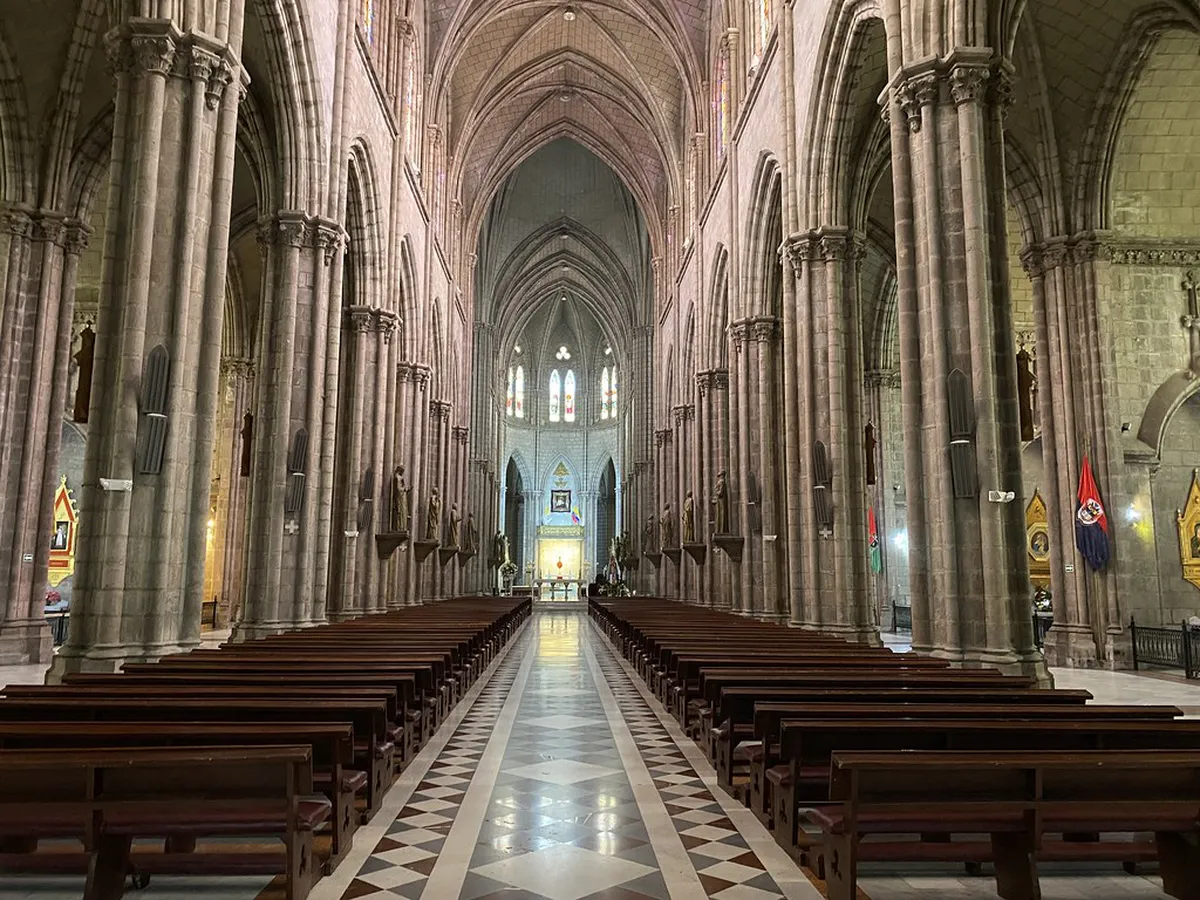
Table of Contents
Unveiling Gothic Additions to Palma's Almudaina Palace
The Almudaina Palace in Palma de Mallorca offers a rich history. This royal residence blends diverse architectural styles. Originally an Islamic fortress, it underwent significant changes. The most striking are the Gothic additions to the Almudaina Palace.
King Jaume I initiated these transformations after 1229. His Christian reconquest reshaped the building. Discover how Gothic elements were seamlessly integrated. This guide details the palace's fascinating evolution for your 2025 visit. Explore Palma's architectural marvels.
The Transition: From Islamic Fortress to Gothic Palace
Palma's Almudaina Palace began as a Muslim alcázar. Its strategic location was vital for defense. The architecture reflected Islamic design principles. High walls and defensive towers characterized its initial form.
King Jaume I conquered Mallorca in 1229. He quickly claimed the alcázar as his royal residence. This marked a profound shift. The palace began its transformation to reflect Christian rule.
The existing structure provided a robust foundation. Christian architects adapted many elements. They preserved some Islamic features respectfully. This created a unique blend of styles.
The Gothic additions to the Almudaina Palace transformed its function. It became a symbol of Christian power. Visitors can still trace this historical transition today. Explore more about the Islamic architectural features.
Key Gothic Elements in the Royal Chambers
The Gothic remodelling introduced new spatial concepts. Royal chambers were reconfigured for Christian monarchs. Larger windows allowed more light inside. Grand fireplaces provided warmth and luxury.
King Jaume II, son of Jaume I, continued the work. He added the Royal Chapel of Santa Ana. This chapel is a prime example of Mallorcan Gothic style. Its delicate tracery and pointed arches impress visitors.
The Throne Room also received significant Gothic changes. It became a space for formal audiences. Ornate ceilings and decorative elements speak of royal grandeur. These changes defined its new purpose.
Consider a guided tour for deeper insights. Tours typically cost around 7-10 euros. Check the official website for 2025 opening hours. Most areas are accessible during operational times. Discover more about Palma's Gothic architecture.
The Royal Chapel of Santa Ana: A Gothic Masterpiece
The Chapel of Santa Ana stands as a highlight. It is dedicated to Saint Anne. This royal chapel exemplifies pure Gothic design. Its construction began in the 14th century.
Architectural details include ribbed vaults. Elegant stained-glass windows illuminate the interior. The chapel served the royal family's private worship. It remains a serene space within the palace.
Visitors should observe the intricate carvings. Sculptural elements depict religious scenes. These artistic additions showcase Gothic craftsmanship. The chapel is open during palace visiting hours.
Admission to the palace includes chapel access. The best time to visit is morning. This avoids larger crowds. Learn about other religious architecture in Palma. The La Seu Cathedral is another stunning example.
Adapting Exterior Features with Gothic Flair
🌟 Local Expert Tip: Get the most out of your Palma de Mallorca visit with guided tours!
The palace exterior also saw Gothic modifications. Defensive towers were repurposed or enhanced. New crenellations added a distinctive medieval look. These changes combined function with aesthetics.
Stone masonry replaced older, less ornate surfaces. Gothic arches appeared in courtyards and doorways. The Patio de Honor showcases some of these alterations. It presents a regal entry point.
The overall silhouette of the palace evolved. It became more imposing and grand. This transformation reflected its new royal status. Its position near the sea offered strategic views.
Look for the Royal Chapel's exterior details. Its apse is visible from certain angles. These architectural details in Palma reveal different periods. The Gothic additions truly define its current appearance.
Frequently Asked Questions
When did the Gothic transformations of Almudaina Palace occur?
The Gothic transformations started after King Jaume I's reconquest. This occurred in 1229. Work continued through the 13th and 14th centuries. King Jaume II made significant contributions.
Which Gothic architectural elements are most prominent?
Prominent Gothic elements include the Royal Chapel of Santa Ana. Look for ribbed vaults and pointed arches. Enlarged windows and grand halls are also notable. These features exemplify Palma's Gothic style.
Can I visit the Almudaina Palace today?
Yes, the Almudaina Palace is open to visitors. It serves as a royal residence and museum. Check official schedules for 2025 visiting hours. Planning your visit in advance is recommended. Find more visitor information at Almudaina Palace architecture guide.
The Gothic additions to the Almudaina Palace offer a compelling narrative. They showcase a pivotal shift in Palma's history. This royal palace is a testament to architectural evolution. Its blend of styles remains captivating for visitors.
Plan your 2025 visit to experience this history firsthand. Explore the unique Gothic elements within the ancient walls. Immerse yourself in the rich architectural history of Palma. Book your tickets and enjoy this historic landmark.
Key Takeaways
- The Almudaina Palace showcases a unique blend of Islamic and Gothic architecture.
- King Jaume I and his successors initiated the significant Gothic remodelling.
- Key Gothic features include the Royal Chapel of Santa Ana, ribbed vaults, and larger windows.