
The Reconquista's Impact on Granada's Architecture in 2025
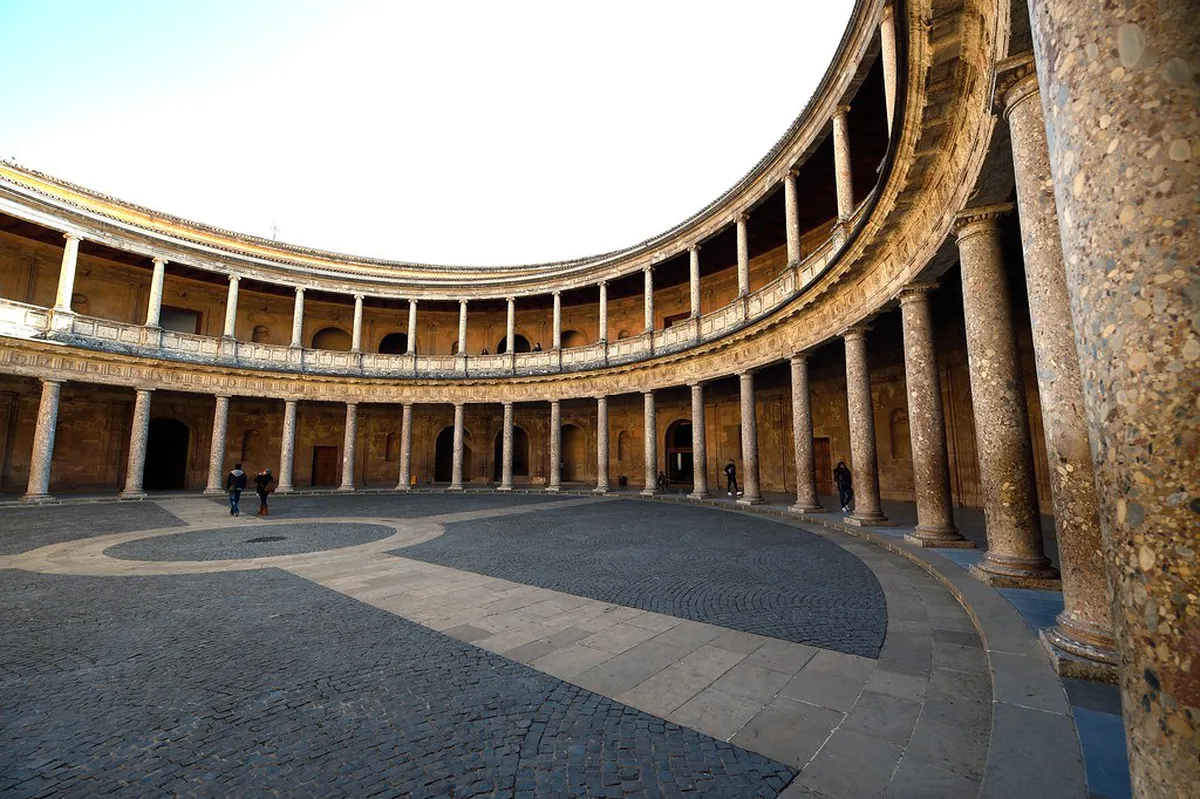
Table of Contents
How the Reconquista Changed Granada's Architectural Landscape
Granada, Spain, offers a fascinating architectural journey. Its buildings tell stories of diverse cultures and historical shifts. The city's unique charm comes from this rich tapestry. Understanding Granada's architectural history is crucial.
The year 1492 marked a significant turning point. This was when the Christian Reconquista ended Moorish rule. This event profoundly changed Granada's architecture forever. Prepare to explore this incredible transformation in 2025.
The Moorish Legacy Before Christian Rule
Before 1492, Granada thrived under Nasrid rule. Moorish architecture defined the city's aesthetic. Intricate details and harmonious designs were common. The magnificent Alhambra Palace stands as a prime example.
The Alhambra showcases stunning Nasrid palaces design. You can admire delicate stucco work and geometric patterns there. Courtyards provided tranquil, private spaces. Water features were also central to their design.
The historic Albaicín district reflected Moorish life. Its narrow, winding streets remain today. Traditional houses often featured inner patios. These designs emphasized privacy and shade. Discover more about Moorish arches in Granada throughout the city.
Initial Christianization: Overlaying New Styles
The Reconquista brought a new architectural era. Christian rulers began to adapt existing structures. Mosques were often converted into churches. New building materials and design principles emerged quickly.
A key new style was Gothic architecture. It featured pointed arches and ribbed vaults. Simultaneously, the Mudejar style flourished. This unique style blended Christian forms with Moorish techniques.
Mudejar artisans continued their craft under Christian patrons. They integrated Islamic tilework and intricate wood ceilings. This fusion created truly distinct buildings. Learn more about Mudejar style explained in depth. You can see these elements even in Gothic architecture in Granada.
Grand Scale Transformations: Renaissance and Baroque
The post-Reconquista era saw monumental Christian constructions. These new buildings symbolized power and faith. They dramatically transformed the city's skyline. This period truly shows how the Reconquista changed Granada's architecture.
The Granada Cathedral design is a prime example. It started with Gothic roots but embraced Renaissance grandeur. Its colossal dimensions are truly breathtaking. This cathedral stands as a testament to the era.
The Royal Chapel holds the Catholic Monarchs' tombs. It showcases late Gothic and early Renaissance elements. Nearby, the Palace of Charles V rose within the Alhambra. This Italian Renaissance masterpiece contrasts with its Moorish surroundings. Its circular courtyard is a striking feature.
Enduring Echoes: Moorish Influence Post-Reconquista
⭐ Recommendation: Don't miss out on amazing Granada tours - book now!
Despite Christian dominance, Moorish influences endured. Skilled Morisco artisans continued their traditional work. Their techniques were highly valued. This led to a beautiful continuation of styles.
The Mudejar style truly embodied this cultural blend. It showcased exquisite Islamic tilework (zellij) and carved wooden ceilings. These elements graced many Christian buildings. They added a unique Granadan identity to new constructions.
Walk through the Albaicín neighborhood architecture for proof. Many homes maintained their original layouts. Hidden courtyards offered secluded beauty. This preserved the essence of Moorish living. Granada's architecture beautifully reflects its layered past.
Frequently Asked Questions
How did the Reconquista impact the Alhambra's architecture?
The Reconquista primarily affected the Alhambra's use and additions. The Catholic Monarchs added Christian elements. For example, they built the Palace of Charles V within its grounds. This introduced distinct Renaissance architecture. The Nasrid Palaces themselves largely remained preserved. Explore more about the Alhambra Palace architecture.
What is Mudejar architecture, and where can I see it in Granada?
Mudejar architecture is a unique Christian style. It incorporates Moorish decorative elements and building techniques. You can find stunning Mudejar examples throughout Granada. The Corral del Carbón is a great place to start. Many churches also feature Mudejar ceilings or brickwork.
Did all Moorish buildings in Granada get destroyed after 1492?
No, not all Moorish buildings were destroyed. Many were repurposed or modified instead. Churches often replaced mosques using existing foundations. The Albaicín neighborhood famously retained much of its original structure. Examples like El Bañuelo (Arab baths) also survived. The preservation efforts allow us to appreciate the city's past.
Granada's architecture beautifully narrates its complex past. The Reconquista profoundly reshaped the city's visual identity. Yet, Moorish influences gracefully persisted. This created a truly unique architectural blend.
Experience this captivating transformation firsthand. Plan your visit to Granada in 2025. Discover how the Reconquista changed Granada's architecture forever. Consider booking one of the many Granada architecture tours.
Key Takeaways
- Granada's architecture shows a rich blend of Moorish and Christian styles.
- The Reconquista transformed the city with new Gothic, Renaissance, and Baroque buildings.
- Mudejar style exemplifies the lasting cultural fusion in design.