
Architectural History of Plaza Mayor Cáceres
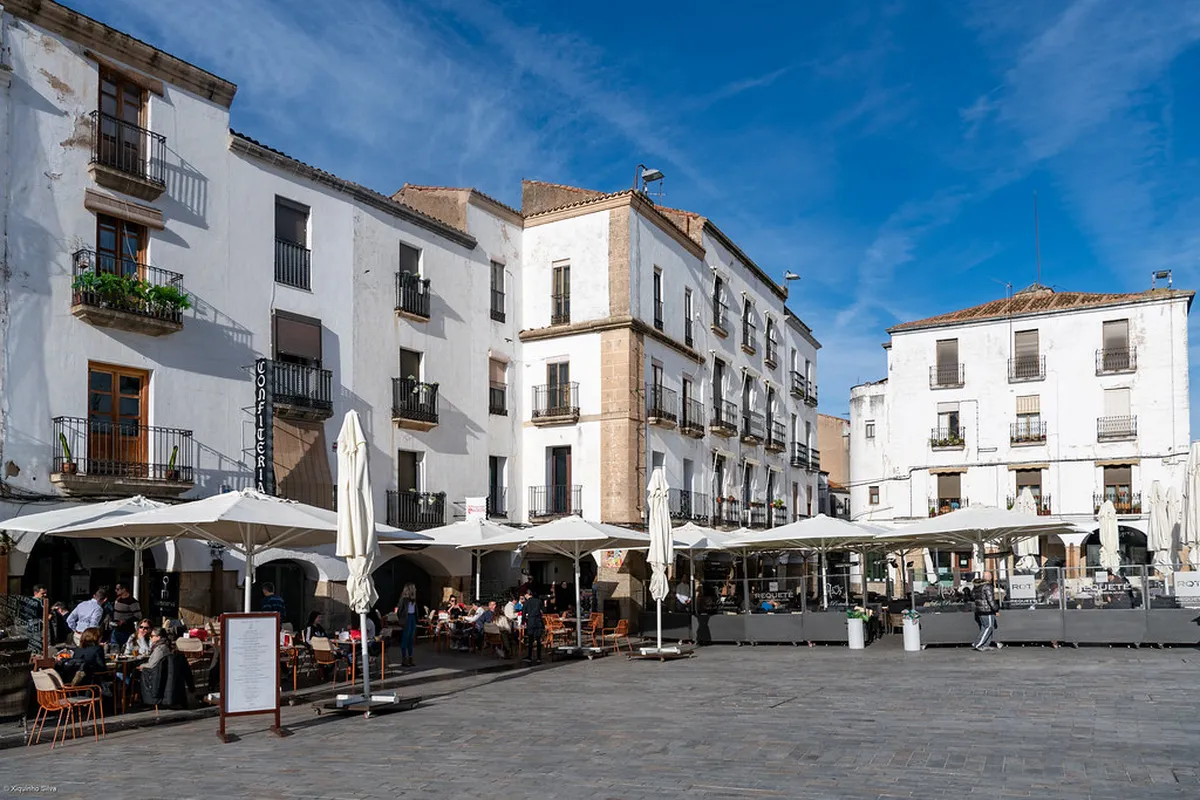
Table of Contents
Unveiling Plaza Mayor Cáceres' Architectural Journey
Plaza Mayor Cáceres stands as a living testament to centuries of history. Its unique charm draws countless visitors each year. Exploring the architectural history of Plaza Mayor Cáceres reveals fascinating layers of design. This historic square perfectly blends diverse cultural influences.
From ancient Roman foundations to elaborate Renaissance details, the plaza tells a grand story. Understanding these styles enriches your visit to Cáceres. Prepare to uncover the secrets held within its ancient walls. Begin your Cáceres architecture guide with this iconic landmark.
Roman Foundations and Medieval Beginnings
The Plaza Mayor's origins trace back to Roman times. Cáceres was an important Roman settlement. Remnants of the ancient city walls still stand today. These early structures formed the basis of the future plaza.
The defensive walls provided a vital boundary. They enclosed the city's initial footprint. Over centuries, this area evolved naturally. It became a central gathering point for residents. Discover more about Roman architecture in Cáceres here.
During the early medieval period, the plaza's form began to solidify. The space outside the city walls buzzed with activity. Markets and public gatherings took place regularly. This informal arrangement laid the groundwork for the future square.
The defensive perimeter played a crucial role. You can still appreciate the history of Cáceres city walls nearby. These early structures are foundational to the Plaza Mayor's architectural identity.
Moorish Influence and Reconquest Era Changes
Cáceres experienced significant Moorish occupation for centuries. This era introduced distinct architectural elements. While less visible in the plaza itself, the surrounding old town shows this heritage. The very layout of parts of the city reflects Moorish planning.
The Christians reconquered Cáceres in the 13th century. This event led to further architectural transformations. Existing Moorish structures were adapted or replaced. New buildings often incorporated elements from various cultures. Explore the Moorish influence on Cáceres architecture.
Key defensive towers like the Bujaco Tower date from this period. It guarded the entrance to the walled city. Its construction showcases a blend of styles. The tower is a dominant feature overlooking the Plaza Mayor. Learn more about Bujaco Tower architecture.
The plaza became an important frontier space. It connected the fortified old town with newer developments. This transition period shaped its unique character. It represents a fascinating cross-section of history. Many structures feature early Mudejar influences, merging Christian and Islamic art.
Renaissance Grandeur and Architectural Details
The 15th and 16th centuries marked a golden age for Cáceres. Wealthy nobles built magnificent palaces. Many of these stately homes bordered the Plaza Mayor. They introduced elegant Renaissance and Plateresque styles.
The plaza truly took its current form during this time. Buildings feature beautiful arcades and balconies. These elements added a sense of grandeur and openness. The square transformed into a sophisticated urban space.
Look closely at the facades for intricate details. You will find numerous coats of arms in Cáceres. These signify the noble families who resided here. Their heraldry decorates many historical buildings around the plaza. Discover the Cáceres Renaissance palaces that define this era.
The Arco de la Estrella is a prime example of later Renaissance design. This iconic arch connects the Plaza Mayor to the old town. It offers a stunning visual transition. Visitors in 2025 can still admire its intricate stonework and Baroque touches.
Preservation and Modern Significance
🎯 Insider Tip: Discover the best Caceres experiences with Viator Tours!
Cáceres' Old Town, including Plaza Mayor, earned UNESCO World Heritage status. This recognition highlights its outstanding universal value. It acknowledges the plaza's remarkable architectural integrity. Preservation efforts ensure its legacy continues for future generations.
The commitment to architectural conservation in Cáceres is strong. Local authorities and organizations protect its historic fabric. This ensures minimal modern intrusion. The plaza largely retains its historic appearance.
Today, Plaza Mayor remains the heart of Cáceres life. It hosts festivals, markets, and daily social gatherings. It is a vibrant hub connecting past and present. Visitors in 2025 can experience its timeless atmosphere.
Explore the buildings around Plaza Mayor to appreciate its evolution. Each structure contributes to its unique story. The square offers numerous best architecture photo spots. Capture the blend of history and daily life.
Frequently Asked Questions
🌟 Local Expert Tip: Get the most out of your Caceres visit with guided tours!
What architectural styles can be seen in Plaza Mayor Cáceres?
Plaza Mayor Cáceres showcases a mix of architectural styles. You can find Roman foundations and Moorish influences. The dominant styles are Gothic and Renaissance. Later Baroque elements also appear, especially on the Arco de la Estrella. Many buildings feature Plateresque details in Cáceres. This blend reflects centuries of history.
How old are the oldest buildings surrounding Plaza Mayor?
Some structures around Plaza Mayor have very ancient roots. The Bujaco Tower dates back to the 12th century. Portions of the city wall are Roman. Most visible buildings are from the 15th to 17th centuries. These include noble palaces and civic buildings. Explore the Cáceres Old Town architecture for more.
Are there guided tours focused on the architecture of Plaza Mayor?
Yes, many guided tours highlight the Plaza Mayor's architecture. They often include the surrounding Old Town. These tours provide in-depth historical context. Look for specialized Cáceres architecture walking tours. They offer excellent insights into its development.
The architectural history of Plaza Mayor Cáceres is a rich tapestry. It weaves together Roman, Moorish, and Renaissance influences. This iconic square truly embodies the spirit of Cáceres. It invites exploration of its many historical layers.
Plan your visit to experience this living museum in 2025. Discover the stories etched in its ancient stone. Walk through centuries of design and culture. Begin your journey into Cáceres' architectural sites today.
Key Takeaways
- Plaza Mayor Cáceres blends Roman, Moorish, Gothic, and Renaissance architectural styles.
- The square's current appearance largely reflects its 15th-16th century Renaissance transformation.
- Specific landmarks like the Bujaco Tower and Arco de la Estrella offer unique historical insights.