
Uncover Stunning Plateresque Details in Cáceres
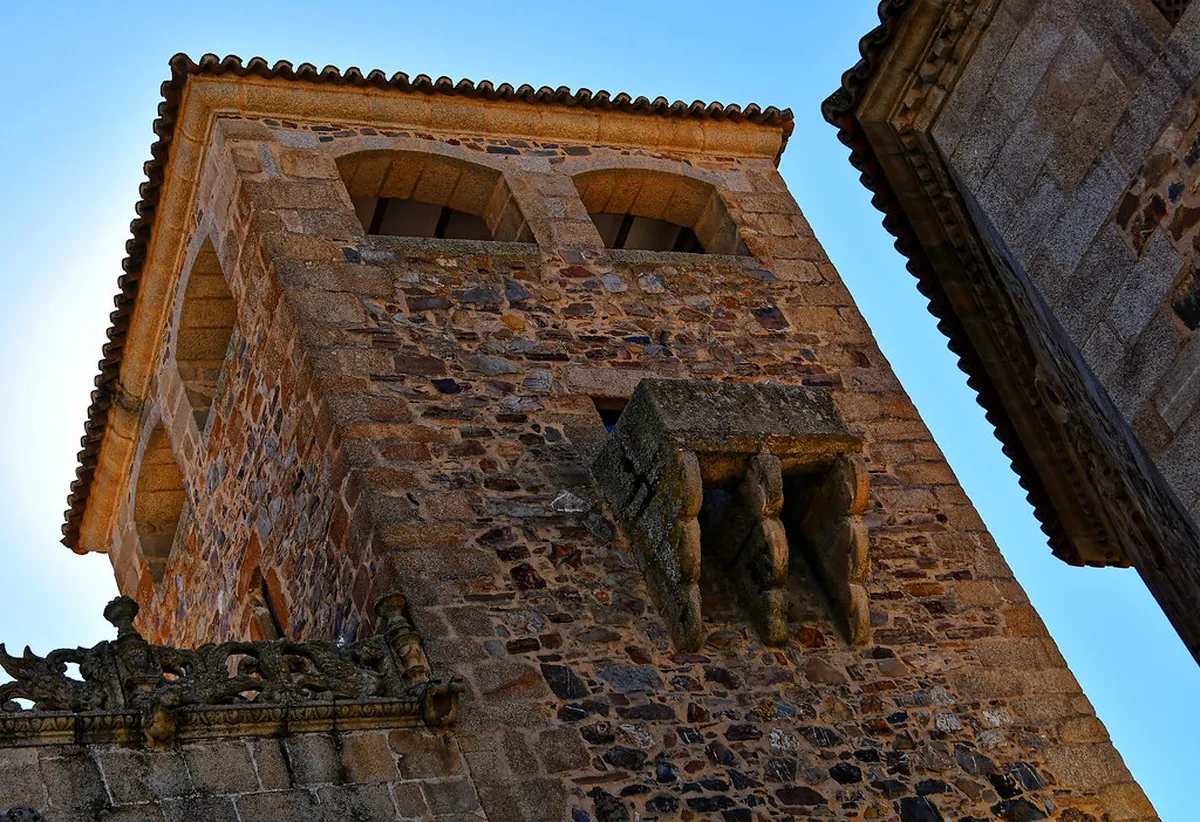
Table of Contents
Discover Exquisite Plateresque Details in Cáceres
Cáceres, a UNESCO World Heritage city, boasts incredible history. Its ancient streets reveal layers of fascinating architecture. Among these styles, Plateresque stands out vividly. This unique Spanish Renaissance style combines Gothic with classical elements. You will find its intricate "silverwork" details everywhere. Learn more about Cáceres architecture here. This guide will help you discover the most captivating Plateresque details in Cáceres in 2025.
What Defines Plateresque Architecture?
Plateresque architecture originated in Spain during the Renaissance. Its name comes from the Spanish word "platero," meaning silversmith. This highlights its highly ornamental and delicate stone carvings. It often integrates classical motifs with Gothic elements. The style flourished primarily between the late 15th and mid-16th centuries.
Key characteristics include richly decorated facades. You will see intricate sculptures that resemble silverwork. Plateresque showcases a unique blend of styles. It draws from Italian Renaissance, Mudejar, and flamboyant Gothic traditions. This fusion creates truly distinctive buildings. The style perfectly captures a transitional period.
Identifying Plateresque means looking for specific design choices. Think of balanced compositions on building fronts. These are adorned with heraldic shields and mythological figures. You might also notice plant motifs and grotesque carvings. Understanding these details enriches any architectural visit to Cáceres. The style reflects the wealth and influence of its patrons.
Key Features of Plateresque Stone Carvings
Plateresque facades are a feast for the eyes. They feature elaborate ornamentation across their surfaces. Look for common decorative elements such as medallions and pilasters. These often depict human profiles or classical figures. Garlands of fruit and flowers also frequently appear. These add a touch of natural beauty to the stone.
Heraldry plays a significant role in Plateresque design. Noble family coats of arms proudly adorn many palaces. These shields often provide clues about the original owners. They are a powerful symbol of status and lineage. Explore the coats of arms in Cáceres to understand local history. Each carving tells a story of the past.
Classical architectural elements are also seamlessly integrated. Doric, Ionic, and Corinthian columns often frame entrances. These blend beautifully with Gothic arches and intricate detailing. This fusion of styles is a hallmark of Plateresque art. Pay close attention to the delicate stone carvings in Cáceres. They are truly works of art.
Iconic Plateresque Palaces in Cáceres
Cáceres is home to several magnificent Plateresque palaces. The Palacio de los Golfines de Abajo is perhaps the most famous. Its elaborate facade showcases incredible detailing. You can find it on Plaza de Santa María. The exterior is always free to admire. This palace represents the pinnacle of Plateresque style in the city.
Another notable example is the Palacio de la Isla. This palace features a striking Plateresque courtyard. It blends beautifully with its Gothic origins. The building now serves as a cultural center. It is often accessible to the public. You can often see intricate details inside its archways. Discover more about Cáceres Renaissance palaces.
The Casa del Sol, or Casa de los Solís, also boasts fine details. Its facade is known for the prominent sun motif. This iconic symbol makes it easily recognizable. You will find it tucked away on Cuesta de Aldana. Remember to look up and appreciate the artistry. These palaces offer prime examples of Plateresque carvings on Cáceres facades. They are a highlight of any visit.
Plateresque Influence in Religious Architecture
🎯 Insider Tip: Discover the best Caceres experiences with Viator Tours!
While many Plateresque gems are secular palaces, religious buildings also show influence. The Santa María Co-Cathedral exhibits subtle Plateresque touches. Look closely at its main entrance portal. Here, you will find delicate carvings. These intricate details often contrast with the cathedral's Gothic structure. Consult the Santa María Cathedral guide for optimal viewing times in 2025.
Even the San Mateo Church incorporates elements. Some side portals or chapels reveal Plateresque designs. These additions occurred during the style's popularity. They highlight the evolving tastes in architecture. Take your time to explore the interior details. Sometimes the most beautiful carvings are found in unexpected places.
Other lesser-known churches might also surprise you. Explore side chapels and smaller entrances. You may find decorative motifs that echo the silverwork style. These subtle hints show the widespread appeal of Plateresque. It permeated various types of construction. This makes exploring Cáceres a true architectural treasure hunt.
Tips for Discovering Plateresque in Cáceres
Maximize your Plateresque exploration with these practical tips. Begin your visit in the morning or late afternoon. The softer light enhances details on facades. This also makes for better photography. Consider doing a dedicated Cáceres architecture walking tour. Many tour guides specialize in the city's unique styles. They can point out hidden gems and provide historical context.
Bring binoculars or a zoom lens for your camera. Many of the most intricate Plateresque details are high up. This allows you to appreciate the craftsmanship fully. Don't just look at the main street-facing facades. Often, hidden courtyards and interior patios also feature these carvings. These areas offer a more intimate viewing experience.
Wear comfortable shoes, as the old town has cobblestone streets. Allow plenty of time for leisurely exploration. A good architectural map can also be helpful. Many local tourist offices provide these resources. Plan your 2025 visit to fully immerse yourself in these artistic wonders. You won't regret taking your time.
Frequently Asked Questions
What does the term 'Plateresque' specifically mean?
Plateresque literally translates to "in the manner of a silversmith." This term perfectly describes the style's delicate ornamentation. It mimics the intricate work of jewelers. The carvings are often fine and detailed. This is why it looks like silverwork in stone. It is one of many architectural terms in Cáceres to learn.
How can I tell Plateresque apart from Gothic or Baroque styles in Cáceres?
Plateresque serves as a bridge between Gothic and Renaissance. Gothic is generally more vertical and austere. Baroque is later, more dramatic, and curvilinear. Plateresque showcases a delicate blend of classicism and intricate detail. Look for the "silverwork" quality on the facades. This helps differentiate it from Gothic buildings in Cáceres. It is also less flamboyant than Baroque architecture.
Are there entrance fees to see Plateresque buildings in Cáceres?
Most Plateresque palace exteriors in Cáceres are free to view. You can admire their facades at no cost. Some interiors, like Palacio de la Isla, may be open for free. Others, like Palacio de los Golfines, are private or have limited access. Always check opening times and potential fees. Explore a guide to free architectural sights for more tips.
Cáceres offers a captivating journey into Spanish architectural history. Its Plateresque details are truly a highlight. They showcase a unique artistic fusion. These intricate stone carvings tell stories of a rich past. Plan your visit in 2025 to experience this beauty firsthand. Don't miss exploring Cáceres Old Town architecture. Discover the magic of Plateresque details for yourself.
Key Takeaways
- Plateresque architecture features intricate, silverwork-like stone carvings.
- Look for heraldry, medallions, and classical elements on facades.
- Palacio de los Golfines de Abajo is a prime example of this style.
- Visit during morning or late afternoon for the best lighting for photos.
- Many Plateresque palace exteriors can be viewed for free.