
Discover Cáceres Renaissance Palaces: A 2025 Guide
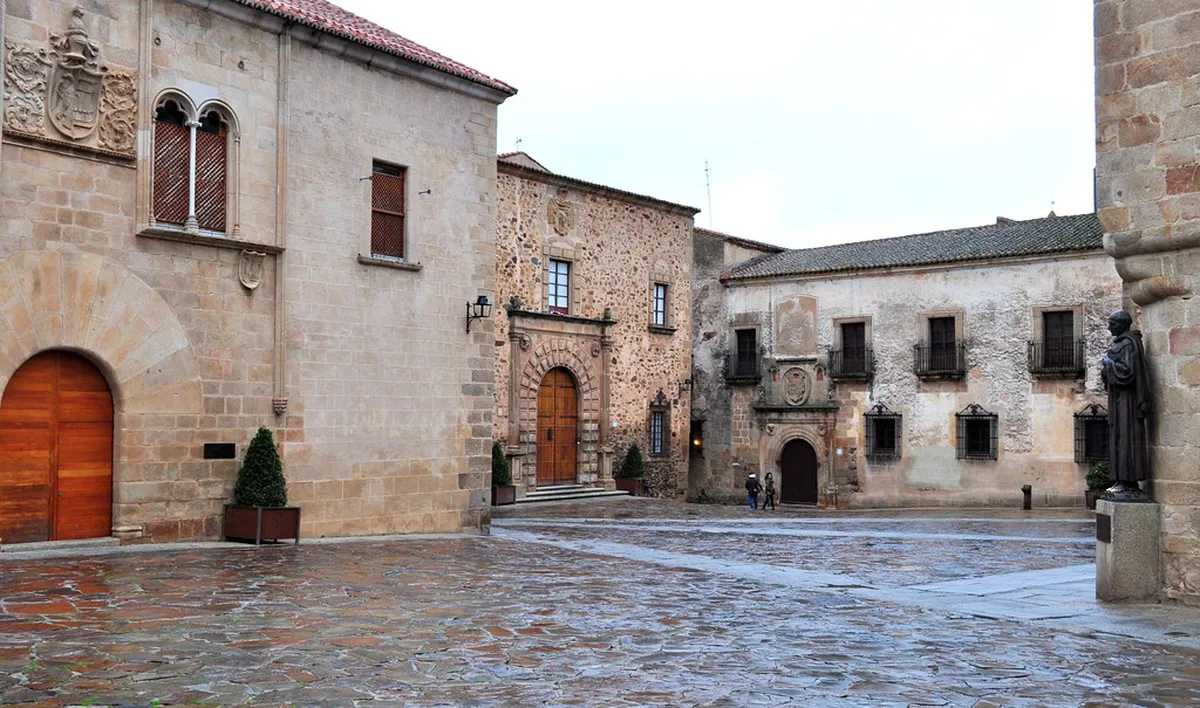
Table of Contents
Explore Magnificent Cáceres Renaissance Palaces
Cáceres holds UNESCO World Heritage status. Its ancient walls protect incredible architectural treasures. Among these, the magnificent Cáceres Renaissance palaces truly shine. They tell stories of powerful families and artistic evolution.
This guide will help you explore these stunning structures in 2025. You will discover their unique charm and historical significance. For a broader overview, check our Cáceres architecture guide. Also, explore a comprehensive guide to Renaissance palaces.
The Distinctive Style of Cáceres Renaissance Palaces
The Renaissance brought elegant changes to Cáceres. Families began building grand, comfortable homes. This new style marked a shift from medieval defenses. It embraced classical forms and detailed ornamentation.
Many Cáceres Renaissance palaces feature the Plateresque style. This intricate decoration resembles silversmith's work. Look for delicate carvings around windows and doors. You can find beautiful Plateresque details in Cáceres everywhere.
These palaces often display prominent coats of arms. These emblems symbolized the family's status and power. They are usually carved above entrances or on corner towers. Learning about Cáceres' historical coats of arms adds to your visit. Notice the family crests as you explore the city.
The interior courtyards are another key feature. They provided light, air, and privacy within the palace. Many are now hidden gems waiting to be discovered. Explore Cáceres' secret courtyards for a true local experience. Some are publicly accessible during opening hours.
Palacio de los Golfines de Abajo: A Landmark Visit
The Palacio de los Golfines de Abajo is a true gem. It is one of the most important Cáceres Renaissance palaces. This grand mansion stands proudly near the Plaza de Santa María. It belonged to the powerful Golfín family.
Its striking facade features two imposing towers. One tower boasts a large, ornate coat of arms. The other shows unique Gothic-Mudejar elements. This blend of styles makes it truly captivating. Discover more about the Palacio de los Golfines architecture.
While often used for official events, parts are sometimes open. Check local tourist information for 2025 visiting hours. Guided tours might be available for a fee. Prices usually range from €3-€5 per person. Access to the courtyard is sometimes free.
The palace is located on Calle Adarve de Santa Ana. Its impressive scale dominates the street view. This building offers a glimpse into noble life. It represents the wealth of its former owners. It is a must-see stop on any Cáceres Old Town architecture tour.
Palacio de las Veletas: Home to the Cáceres Museum
The Palacio de las Veletas offers rich history and art. This palace now houses the Cáceres Museum. It is one of the most visited Cáceres Renaissance palaces. Its origins trace back to an old Almohad alcázar.
The museum showcases archaeology, ethnography, and art. You can explore various periods of Cáceres' past. A highlight is the famous Moorish cistern beneath the patio. This ancient water reservoir is truly stunning. Learn more about the Palacio de las Veletas.
Visiting the museum is highly recommended in 2025. It is located at Plaza de las Veletas, s/n. Opening hours are typically 9:00 AM to 2:30 PM, Tuesday to Sunday. Entry costs around €1.50 for EU citizens. Non-EU visitors might pay €3.
Allow at least 1-2 hours to properly explore the museum. The palace also features a beautiful courtyard. Its unique weather vanes ("veletas") give the palace its name. This site connects you to different eras of city life. It is part of the essential Cáceres architectural sites.
Other Notable Cáceres Renaissance Palaces to Explore
⭐ Recommendation: Don't miss out on amazing Caceres tours - book now!
Cáceres boasts many other impressive Renaissance palaces. The Palacio de Carvajal is another significant example. It features a beautiful corner tower and a lovely interior patio. The tourism office is often located here. This provides excellent practical information for visitors.
The Casa del Sol, or House of the Sun, is also striking. It gets its name from the large sunburst coat of arms. This emblem adorns its impressive façade. It exemplifies the bold family statements of the era. Many hidden courtyards exist within these private residences.
The Palacio Episcopal stands beside the cathedral. It shows various architectural styles over time. Its Renaissance elements are clearly visible. Consider joining a guided tour of Cáceres palaces. This helps uncover more hidden gems and their stories. You will learn fascinating historical facts.
Wander through the old town's narrow streets. You will constantly discover new architectural marvels. Many buildings display exquisite details. Look up to see elaborate balconies and stone carvings. These contribute to Cáceres's unique charm. Combine your palace visit with the Santa María Cathedral.
Frequently Asked Questions
What is the best way to see Cáceres Renaissance palaces in 2025?
The best way to see Cáceres Renaissance palaces is on foot. The Old Town is pedestrian-friendly and compact. Wear comfortable shoes for walking on cobblestone streets. Consider a guided tour for deeper historical insights. Many tours focus specifically on the palaces. You can find information at the tourism office.
Are there any free Cáceres Renaissance palaces to visit?
Yes, some parts of Cáceres Renaissance palaces are free. Many palace courtyards are accessible without charge. For example, the courtyard of Palacio de los Golfines. The exterior views are always free to admire. Exploring the Cáceres Old Town architecture itself costs nothing. You can soak in the atmosphere freely. For a deeper dive into the city's overall architectural appeal, consider our general Cáceres architecture guide.
What architectural elements should I look for in these palaces?
Look for several distinctive architectural elements. Notice the intricate Plateresque carvings around windows and doors. Observe the grand coats of arms above entrances. Many palaces also feature beautiful interior courtyards. Pay attention to the defensive towers that often accompany them. These details are explained in our guide to Plateresque style in Cáceres.
When is the best time to explore Cáceres's palaces?
Spring (April-May) and Fall (September-October) offer ideal weather. Temperatures are mild and comfortable for walking. There are also fewer crowds during these shoulder seasons. Summer can be very hot, reaching over 35°C (95°F). Winter is quieter but can be chilly. Always check specific palace opening hours. They can vary throughout the year.
The Cáceres Renaissance palaces offer a captivating journey. They showcase a pivotal period in Spanish history. Their architectural beauty and rich stories await your discovery. Plan your 2025 visit to this remarkable city. Immerse yourself in the grandeur of Cáceres. Don't miss these architectural masterpieces. For more planning resources, consult our guide on visiting Cáceres architectural sites. Explore the entire Architect Tourist website for more inspiration.
Key Takeaways
- Visit Palacio de los Golfines de Abajo for a grand experience.
- Explore Palacio de las Veletas, home to the Cáceres Museum.
- Look for intricate Plateresque carvings and impressive coats of arms.
- Wander the Old Town to discover hidden courtyards and unique details.
- Plan your 2025 visit during spring or fall for ideal weather.