
Cáceres Renaissance Palaces: Essential Guide for 2025
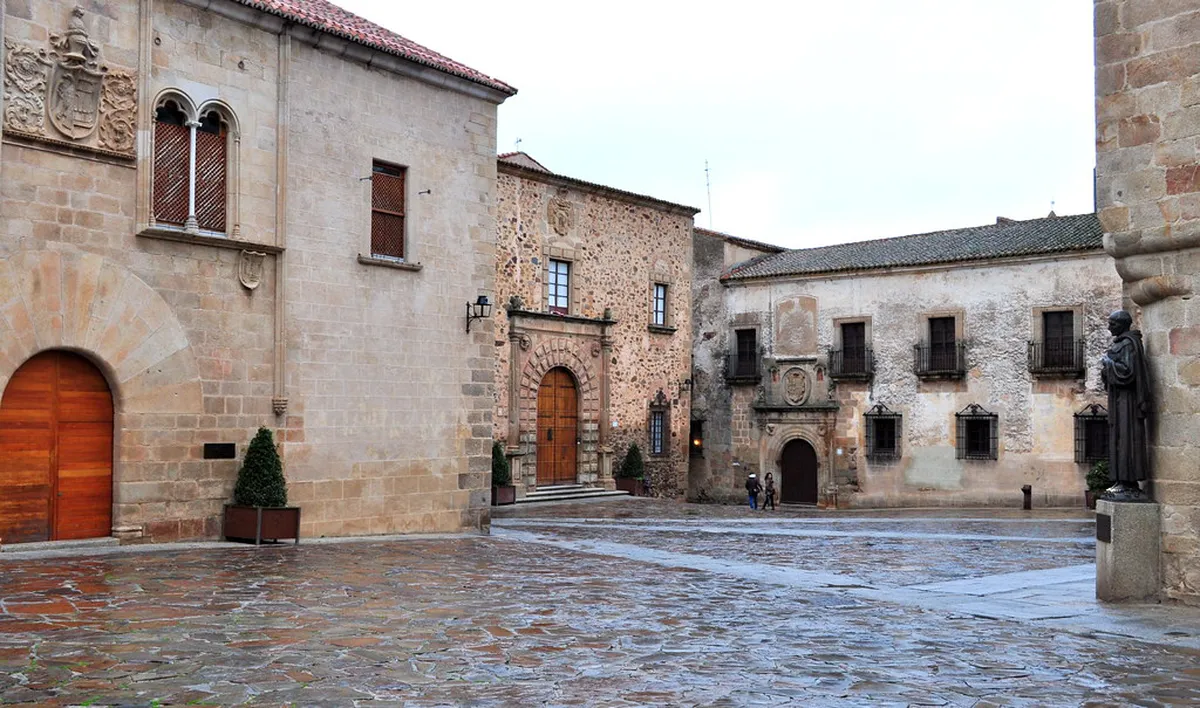
Table of Contents
Discover Cáceres' Grand Renaissance Palaces in 2025
Cáceres, a UNESCO World Heritage city, boasts incredible history. Its Old Town transports you back to past eras. Among its treasures are the stunning Renaissance palaces in Cáceres. These structures showcase the wealth and power of noble families.
Visiting these palaces offers a unique cultural experience. You will discover intricate architecture and captivating stories. This guide helps you explore Cáceres' most impressive Renaissance buildings in 2025. Prepare for an unforgettable journey through time.
The Grandeur of Palacio de los Golfines de Abajo
The Palacio de los Golfines de Abajo is a true Renaissance masterpiece. It stands proudly near Plaza de Santa María. This palace represents the pinnacle of Cáceres' noble architecture. Its imposing façade captures visitors' attention immediately.
This palace belonged to the prominent Golfín family. Its construction spans from the 15th to the 16th centuries. The main façade blends Gothic and Renaissance styles perfectly. Look for the family's impressive coats of arms above the entrance. These heraldic shields denote ancient lineage.
While generally a private residence, its exterior is breathtaking. You can admire its beauty from the street. Consider it a must-see stop on your Cáceres architecture walking tour. Allow at least 15-20 minutes to appreciate its details.
Palacio de las Veletas and Its Unique Cistern
The Palacio de las Veletas offers a distinct experience. This palace houses the Cáceres Museum. It blends Renaissance elements with earlier influences. The building sits on the site of an old Arab fortress.
Its most famous feature is the incredible Moorish cistern (aljibe). This ancient water reservoir lies beneath the palace. It is a stunning example of Almohad architecture. Visiting the cistern provides a cool, historical escape from the sun.
The museum itself showcases local archaeology and ethnography. It is open Tuesday to Saturday from 9:00 AM to 2:30 PM. Admission costs around 2 Euros. Check current hours and prices for 2025 before your visit. The entrance fee is very reasonable for this cultural gem.
Other Notable Renaissance Palaces to Explore
Beyond the major two, Cáceres offers many more palaces. The Palacio de Carvajal features a beautiful interior courtyard. It also has a unique corner tower. This palace now houses a tourism office. You can often enter its courtyard for free.
The Casa del Sol, or Palacio de los Solís, stands out. Its sun emblem above the entrance is iconic. Another impressive building is the Palacio de los Toledo-Moctezuma. It combines a rich history with stunning architecture. These palaces collectively form the core of Cáceres' palaces.
Many of these buildings showcase the Plateresque style. This is a Spanish Renaissance style known for its intricate details. Look for delicate stone carvings on facades and windows. They often depict mythological figures or intricate floral patterns. These ornate details truly define the period's artistry.
Planning Your Palace Exploration in Cáceres
🎯 Insider Tip: Discover the best Caceres experiences with Viator Tours!
Plan your visit to Cáceres' Renaissance palaces carefully. Most palatial exteriors are viewable all day. Interior access varies greatly. Some are private, while others house museums or public offices. Always check specific opening times beforehand.
The best time to visit Cáceres is spring or autumn. The weather is mild, perfect for walking. Fewer crowds mean a more relaxed exploration. Consider a guided architectural tour. These tours provide deeper insights into each palace's history. They often reveal hidden courtyards too.
Wear comfortable shoes for walking on cobblestone streets. Most palaces are within the walled Old Town. It is easily walkable. Allow a full day to properly appreciate these magnificent structures. This city truly rewards curious visitors.
Frequently Asked Questions
🌟 Local Expert Tip: Get the most out of your Caceres visit with guided tours!
What is the defining feature of Renaissance architecture in Cáceres?
Cáceres Renaissance architecture often features the Plateresque style. This style combines Gothic details with classical Renaissance forms. Look for highly decorative stone carvings on façades. These intricate details are a true hallmark of the era. Plateresque style in Cáceres is truly remarkable.
Are most Renaissance palaces in Cáceres open to the public?
Many Renaissance palaces in Cáceres are private residences. However, some house museums or public institutions. The Palacio de las Veletas operates as the Cáceres Museum. The Palacio de Carvajal has a publicly accessible courtyard. Others can be admired from their exteriors. Visiting Cáceres' architectural sites can vary.
What is the history behind Cáceres' noble Renaissance palaces?
These palaces reflect the wealth of powerful noble families. They were built mostly in the 15th and 16th centuries. Their construction marked a period of prosperity for the city. Each palace tells a story of its founding family. They represent status, power, and intricate artistic tastes.
Cáceres' Renaissance palaces are architectural marvels. They offer a profound glimpse into Spain's rich history. Each façade and courtyard tells a unique story. Make sure to include them in your 2025 travel plans. Explore these majestic buildings and their enduring legacy. You will leave with a deep appreciation for this stunning city.
Key Takeaways
- Prioritize visiting Palacio de los Golfines de Abajo and Palacio de las Veletas.
- Allow ample time to admire intricate Plateresque details on palace facades.
- Consider a guided tour for deeper historical insights and access to courtyards.